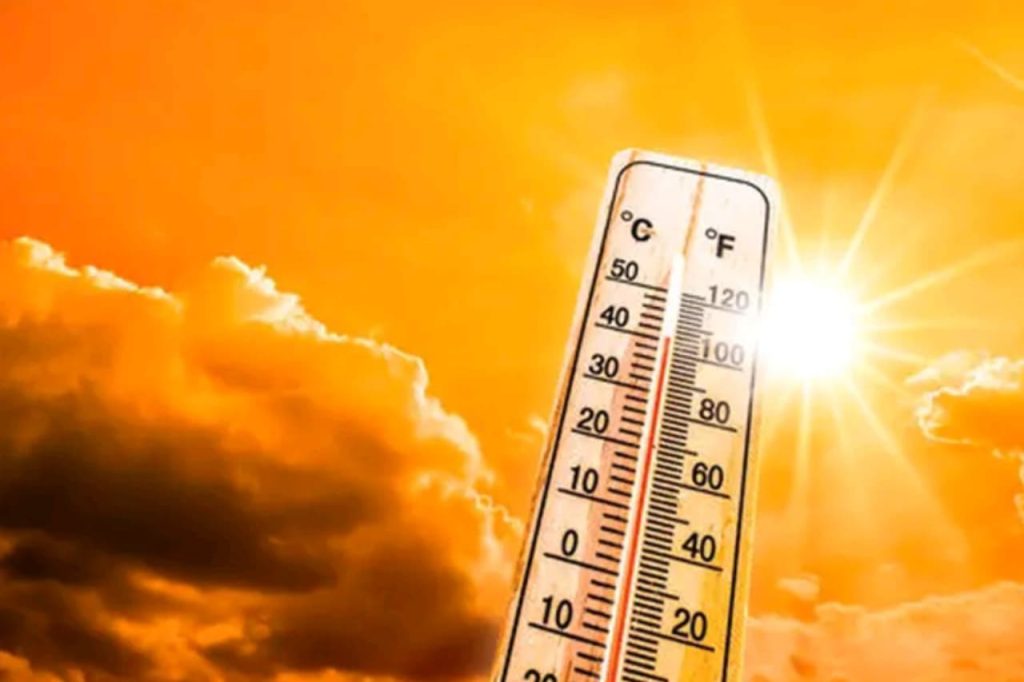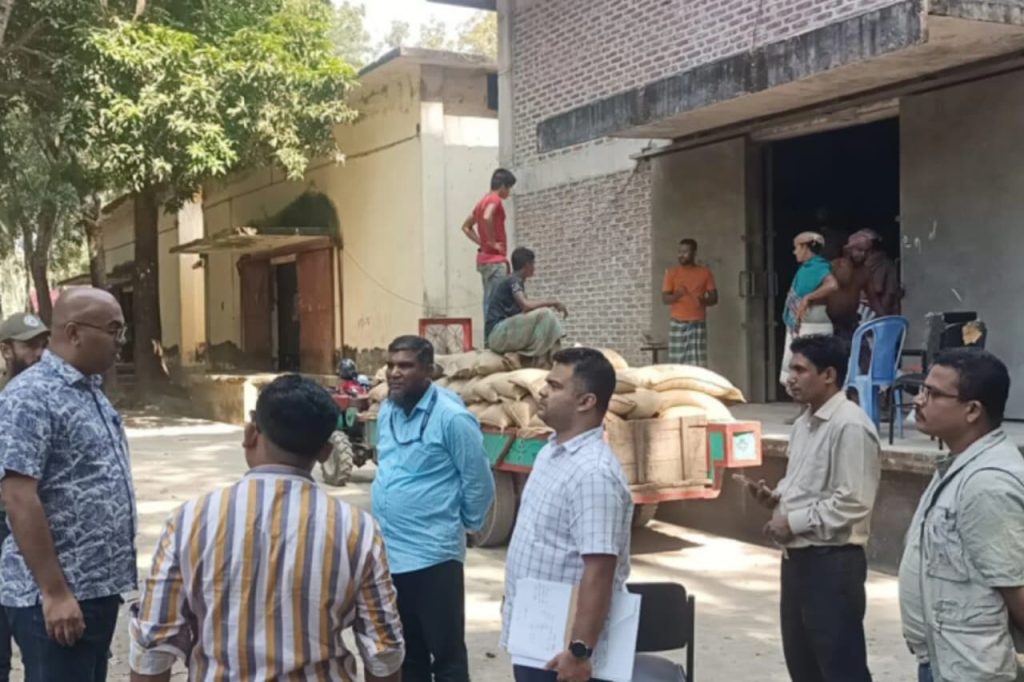
A climate report released in November 2025 by three organizations (the Bangladesh Meteorological Department (BMD), Save the Children, and the Norwegian Meteorological Institute) describes the effects of high greenhouse gas emissions on climate change in the future. The report predicts an increase in temperature of 4.5 °C over the period from now until the end of the century for Bangladesh due to high human carbon dioxide emissions. This could be a major disruption to the food supply for millions of people.
The Mechanics of Food Insecurity
The new normal highlighted in the report includes increasing extreme volatility. Heatwaves are anticipated to increase in number and duration due to global warming, with some lasting up to 15 to 25 days per season. Combined with heavy, erratic rainfall patterns caused by an increase in monsoon storms, these thermal shocks will create conditions that make it difficult for the main crops of rice and jute to survive.
According to research conducted by the LSE Grantham Institute, moderate-to-severe food insecurity is expected to rise in Bangladesh by 15 percentage points by mid-century without substantial intervention. The factors contributing to this food security crisis include:
Discover More Stories Worth Your Time
Explore How To Beat Heat?
Discover simple and effective ways to treat dehydration quickly during intense summer days.
Check How Bhapa Sandesh Turns Perfect?
Explore the step-by-step Poila Boishakh recipe for authentic homemade Bhapa Sandesh.
See Why Boishakh Culture Matters?
Discover how Chhayanaut highlights the festival’s role in preserving Bengali heritage.
Find How To Cool Home?
Explore easy DIY ways to keep your house cool without air-conditioning in hot weather.
Learn What Farmer Card Changes?
Discover how the new pre-piloting initiative may strengthen farmer support in Tangail Sadar.
Salinity Invasion
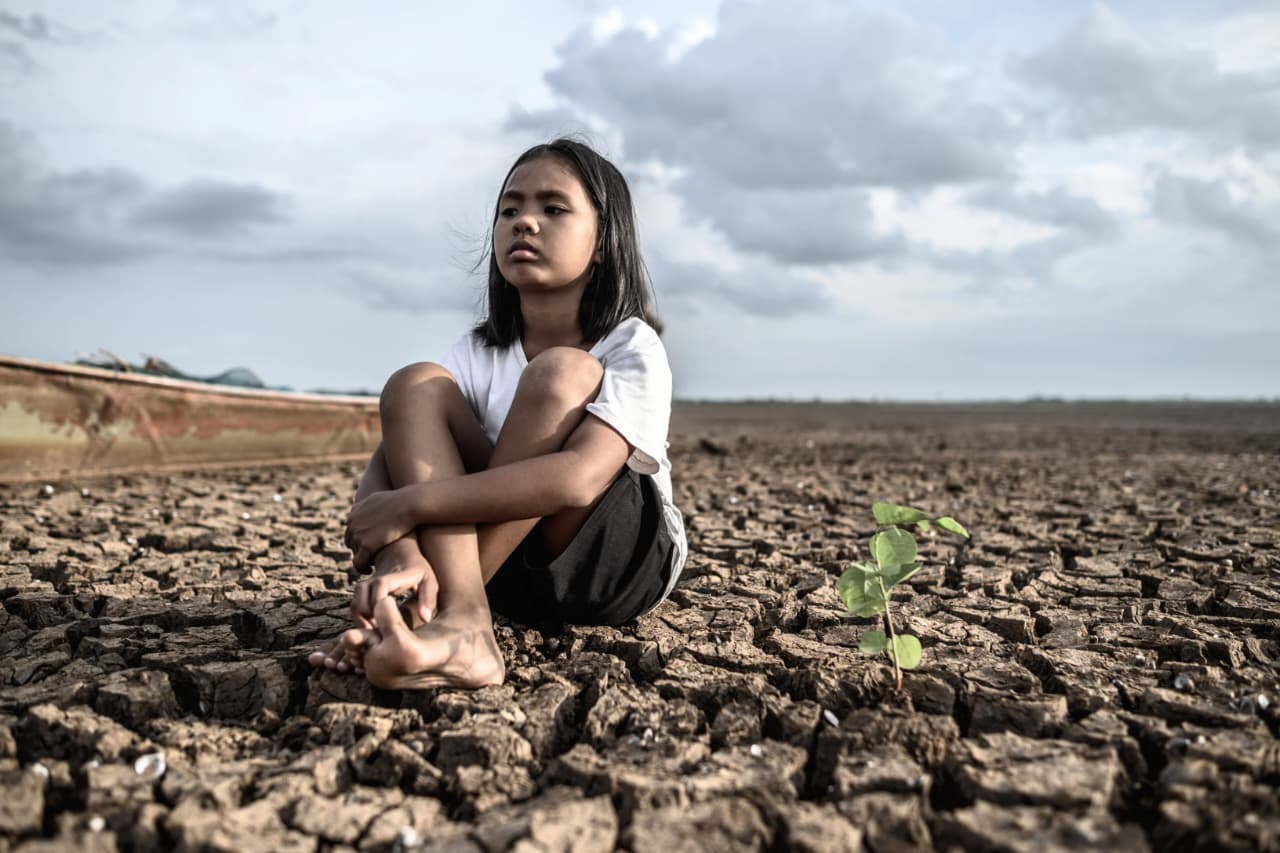
A projected rise of 4.5 degrees Celsius (°C) in temperature due to global climate change will result in sea-level rises high enough to completely submerge 18% of Bangladesh’s coastal areas. This increase in sea level will cause the salinization of soils and freshwater fish populations, essentially causing desolation to previously productive farmland.
Production Costs
Increased flooding and drought will cause farmers’ production costs to spiral out of control as prices for agricultural products increase significantly, leading to disproportionate effects on the urban poor when they seek to purchase food from retailers.
Nutritional Access
The combination of rapid population growth in urban centres and the destruction of agriculture due to extreme weather is severely affecting the ability of low-income populations in vulnerable rural areas to access a diverse and well-balanced diet, as they struggle to survive on nutritionally deficient diets.
Despite the grim outlook, innovation is paving the way forward. The Climate-Smart Agriculture concept is an important part of Bangladesh’s defence strategy.
The Road ahead
In its 2025 report, Bangladesh serves as a cautionary tale and a road-map. The country has made great strides toward feeding its population; but if the planet warms by 4.5°C, the food system will need to be completely revamped. Therefore policies must include specific safety nuts and [h]e post-disaster aid, to prevent those affected by climate shocks from encountering permanent poverty.
As Bangladesh is one of the most severely affected countries by Climate Change, the country Bangladesh, like many other affected by climate change, will continue its transition from reactive to proactive and resilient agricultural models, that can adapt to the heat of climate change.