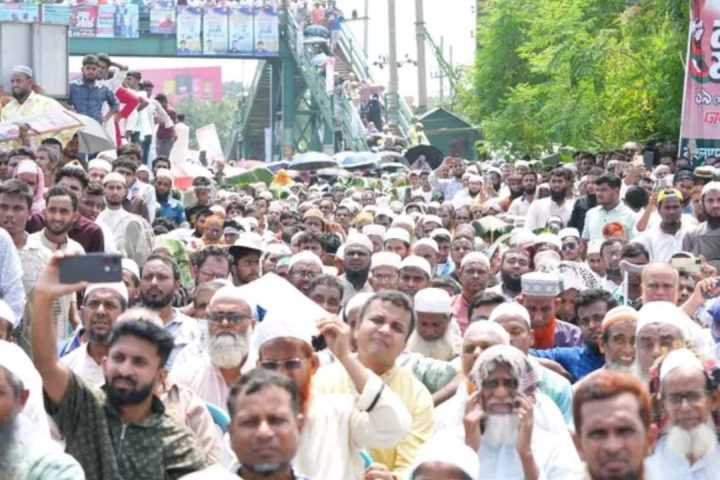
The Bengali New Year 1433 (Pohela Boishakh) has come in bright and full of colour celebrations, but it has also come with an early and very severe rise in temperatures in Dhaka and other parts of Bangladesh. As thousands of people were united to attend the traditional Mangal Shobhajatra to greet the year, the scorching sun may turn out to be an indicator of a tough summer season ahead. Rather than the typical delightful spring breeze, people are already dealing with a mild/moderate heatwave, which specialists predict may spread to larger parts of the country by the evening.
Heatwave Sweeps Across Key Districts
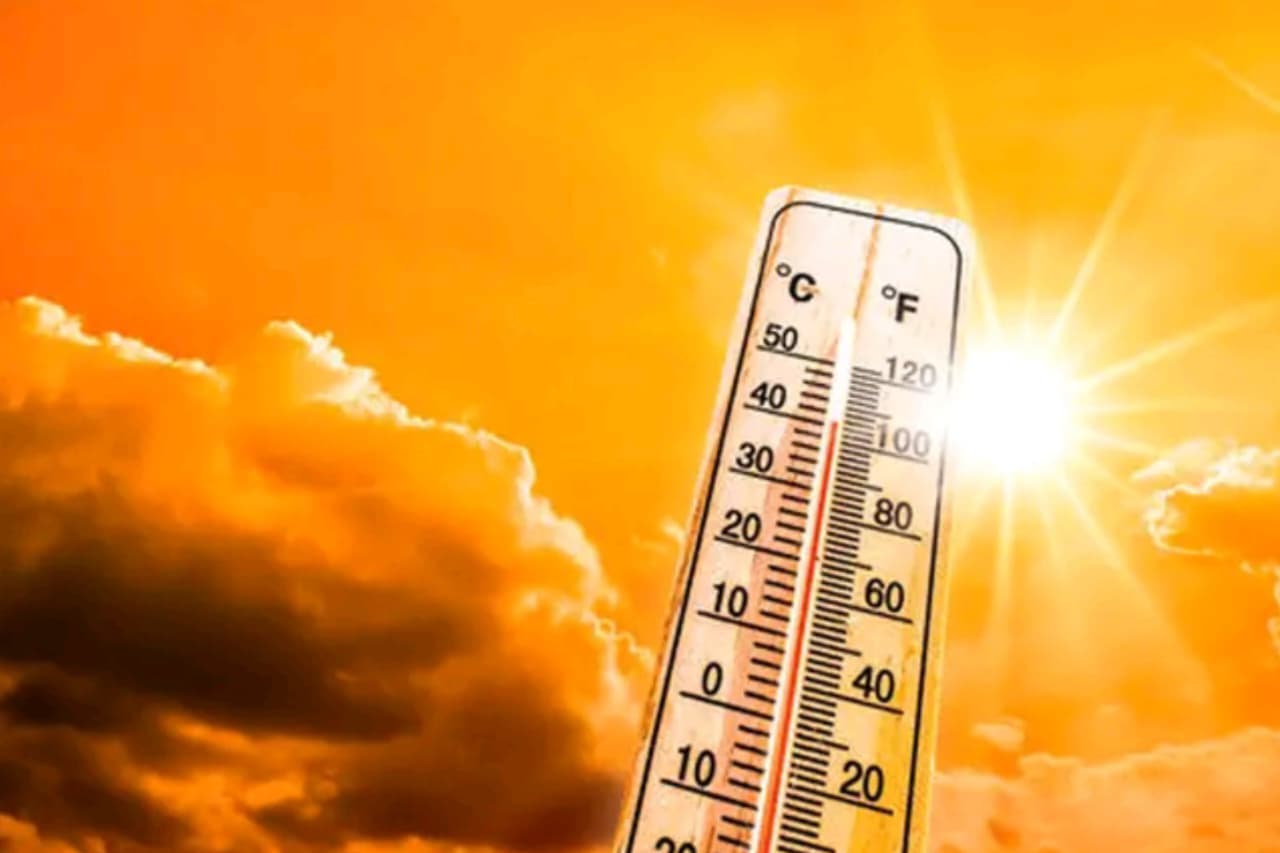
The side effect of a mild heatwave also covers such districts as Rajshahi, Pabna, Sirajganj, Jashore, Chuadanga and Kushtia, according to the latest bulletin of the Bangladesh Meteorological Department. Having reached a level of above 37 °C in these areas, the Met Office cautions that these conditions will remain constant and even be extended gradually to central areas, such as those in the Dhaka division, later in the day.
Dhaka Prepares for Increasing Temperature
Dhaka is not yet considerably high on the heatwave levels, but the heat is gradually growing higher with high levels of humidity, rendering the conditions rather unpleasant. The heat effects within the city, the heavy traffic and the scarcity of green areas are also adding to the heat sensation, more so in the middle of the day. Under the present trends, the formally declared state of heatwave might occur in Dhaka within 24-48 hours.
Discover More Stories Worth Your Time
Explore Pixel 9’s Hidden AI?
Discover the smartest Google Pixel 9 features everyone is talking about right now.
See Why Baruni Mela Shines?
Explore how colour, culture, and devotion make Bogura’s annual gathering truly unforgettable.
Check How To Reach Temple?
Discover the easiest and safest route to visit Gopinathpur Temple without hassle.
Find How Asha Went Global?
Explore how Asha Bhosle brought Indian flavours worldwide through her Dubai-born dining brand.
Learn Why Brikkho Bondhu Grows?
Discover how short videos are bringing Bangladesh’s plant diversity to millions of viewers.
Why 2026 will be hot
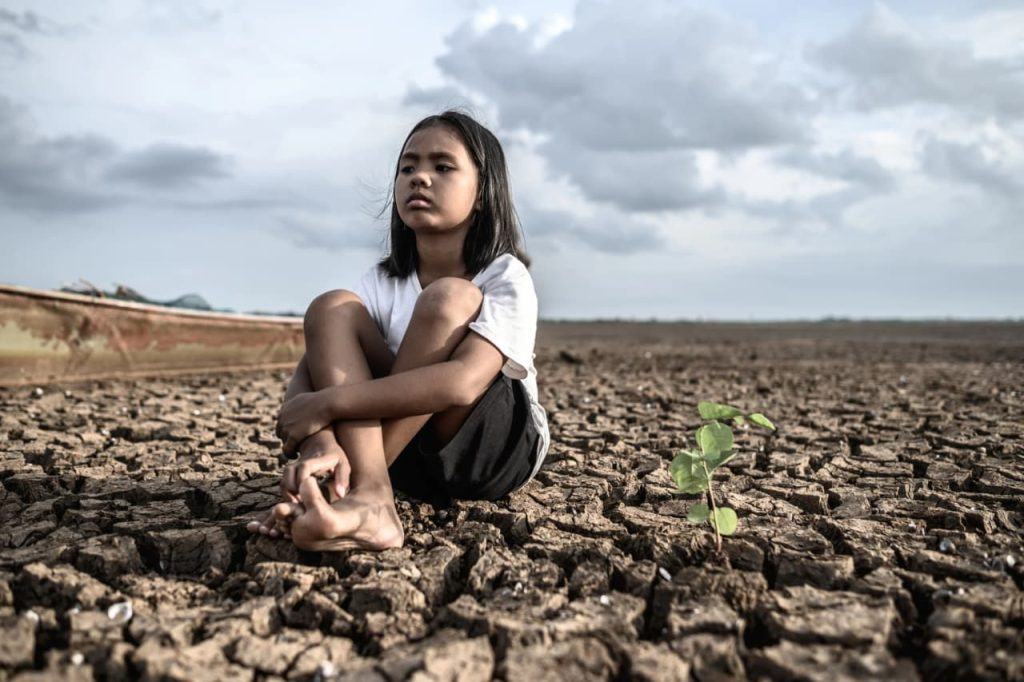
According to Meteorologists and climate hardliners, it is possible that in 2026, Bangladesh may experience an all-time temperature record based on a combination of global and Bangladesh’s factors:
•El Niño Effect: This warming pattern in the Pacific Ocean is warming up South Asia.
•Shortage of Pre-Monsoon Rainfall: Kalbaishakhi (Nor’wester storms) are observed to be low in number, which has diminished natural cooling.
•Environmental Stress: We are experiencing a stress that relates to the falling level of groundwater, reduced river flow, as well as the rising urbanisation that is trapping heat more than ever before.
Health and Safety measures
As the UV index has increased to extreme values (11+), residents are being advised to be on the lookout during celebrations:
•Keep Fluids: Take lots of water, oral saline, and fresh fruit juices.
•Shun Peak Heat: Shy away from outdoor things 11: 00 AM -4: 00 PM.
•Wear Smart: Light colored, loose cotton worn–just the thing to wear if you are going to the Boishakhi Eid.
•Look out for symptoms: Pale, tired, and headaches can be signs of heat exhaustion – take shelter and rest now.
•Prognosis: Additional Territories at threat.
The weather service is already warning that the ongoing heatwave could spread even more to central and southern areas by the end of the day. Without indications of any rainfall soon, the forthcoming days of the Bengali New Year week are likely to be hot and dry, which is why precautionary steps must be taken to maintain the safety of the population.