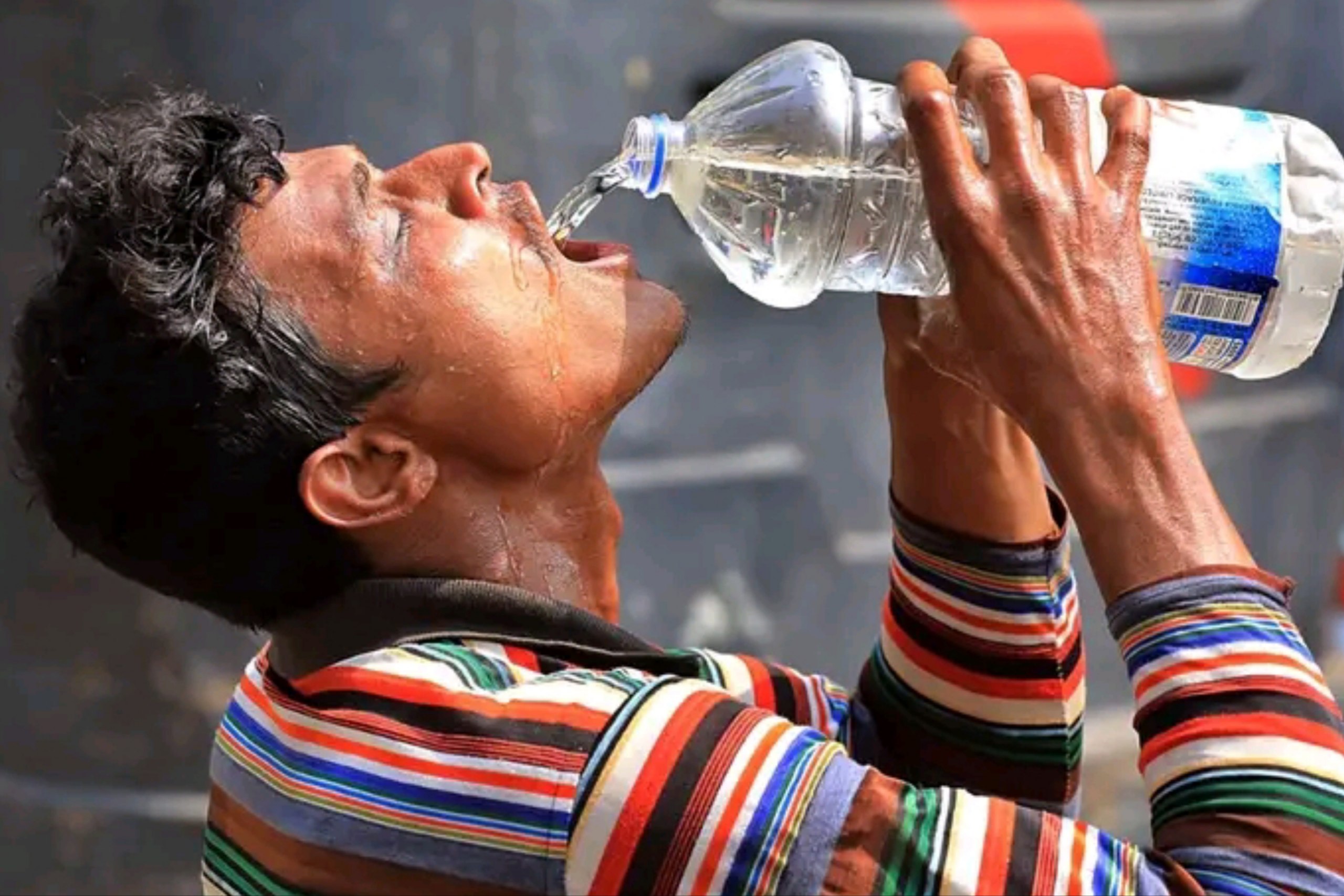
The Bangladesh government has issued an urgent heatwave alert as temperatures soar to dangerously high levels in Dhaka, Chittagong, Rajshahi and other major cities. With heatstroke cases already increasing in hospitals, protecting children and elderly family members has become a top priority for every household.
Why Children and the Elderly Are Most Vulnerable
“Vulnerable populations are being hit hardest by extreme weather conditions. The first step to prevention is understanding why they are at risk to begin with:
- Children: A child’s body is not as good at regulating temperature as an adult’s. Their smaller body mass heats up faster, and they often don’t recognise early signs of dehydration when playing.
- Seniors Many older Bangladeshis have long-term conditions such as high blood pressure, diabetes or heart disease. These diseases—and the medications taken for them—severely compromise the body’s ability to cope with heat stress.
- The Humidity Factor: In Bangladesh’s typically humid climate, sweat doesn’t dry from the skin very fast. This prevents the body from cooling itself naturally. A high heat index can be extremely deceiving and dangerous.
6 Practical and Life Saving Steps for Families in Bangladesh
1. Drink fluids often, even if you are not thirsty
Dehydration can happen quickly, before you even feel thirsty. You have to drink fluids constantly.
- For Kids: Give water, fresh coconut water (daab) or homemade lassi throughout the day. Don’t wait for them to ask.
- For the old: Older people often have less of a sense of thirst. Set routine reminders and always keep a water pitcher within arm’s reach.
- Things to avoid: Steer clear of caffeinated teas, sodas, and sugary drinks. These are diuretics and will actually make dehydration worse.
2. Stay Inside During Peak Heat (11 am-3 pm)
The sun in Bangladesh is at its strongest from late morning to early afternoon. Keep children and the elderly indoors during these critical hours. If you really have to go outside, take extreme precautions:
- Always carry an umbrella or seek shade under trees and awnings.
- Protect your head with a wide-brimmed cap or a traditional gamcha (cotton towel).
- Apply sunscreen and wear UV-blocking sunglasses.
CRITICAL SAFETY WARNING: Never leave children or elderly relatives inside parked vehicles, rickshaws or tempos even for a few minutes. Inside a parked vehicle, temperatures can reach lethal levels very quickly.
3. Dress in light, breathable clothing
- How hot or cold you feel can really be affected by what you wear.
- Pick out loose, light colored 100% cotton clothing. Airy fabrics like light panjabis, cotton sarees and lungis are good options as they allow for free air circulation.
- Avoid synthetic materials like polyester or nylon that trap heat and sweat against the skin.
4. Keep Your Home Cool Naturally
If air conditioning is not available, there are old-fashioned, effective ways to lower indoor temperatures:
- During mid-day, keep out the harsh sunlight and draw heavy drapes or pull down bamboo blinds (chaat).
- Drink water in earthen pots (matir kolshi) to keep it cool and refreshing.
- Water your concrete roof or courtyard in the early morning and late evening to cool the building structure.
- Maximise the airflow by using ceiling or pedestal fans. If your home gets very hot, try to stay out of the heat of the day in air-conditioned malls, community centres, or other public spaces.
5. Cut Back on Physical Activity
- Now it is time to slow down.
- The children should not go out to play at all during the peak heat hours.
Don’t let seniors do any heavy housework or lifting, and let them rest often in the coolest room of the house.
Discover More Stories Worth Your Time
Explore Why Campus Clashes Rising?
Discover what triggered tensions from Chattogram to Dhaka leaving multiple students injured.
Check How To Win Tickets?
Explore how the Standard Chartered Visa offer could send you to the FIFA World Cup 2026.
See Why Reforms Were Cancelled?
Discover what the parliament’s decision means for Bangladesh’s youth movement.
See How Business Setup Easier?
Discover how the new investment agency merger simplifies starting a business.
Find Why Truck Fares Jumped?
Explore what’s driving the sudden Tk 10,000 increase in Chittagong logistics costs.
6. Recognise Heatstroke Symptoms Immediately
Recognising the warning signs early can quite literally save a life. Keep a close eye on your loved ones for any of the following symptoms:
| Mild to Moderate Symptoms | Severe Heatstroke Signs |
| Excessive sweating | Hot, red, dry skin (sweat has stopped) |
| Severe headache or dizziness | Severe confusion, slurred speech, or altered mental state |
| Nausea or vomiting | Rapid, strong pulse |
| Intense muscle weakness or cramps | Fainting or loss of consciousness |
Emergency Action Steps: If you suspect heat stroke, act quickly. Move the person to a cool, shaded or air-conditioned area. Cool water, fan them vigorously and give them water or oral rehydration salts (ORS) if they are conscious, soaking their whole body. If symptoms do not improve quickly or if they lose consciousness, get them to the nearest hospital immediately.
Summary:
As Bangladesh faces intense heatwave conditions, the government has issued an urgent warning to protect vulnerable groups—especially children and senior citizens—from heatstroke. This guide outlines practical, life-saving steps to stay safe during extreme heat, tailored for Bangladeshi families.
Summary:
As Bangladesh faces intense heatwave conditions, the government has issued an urgent warning to protect vulnerable groups—especially children and senior citizens—from heatstroke. This guide outlines practical, life-saving steps to stay safe during extreme heat, tailored for Bangladeshi families.