Bangladesh’s electricity tariffs went up, then partly came back down, within the span of a single day in early June — a reversal that ultimately spared the country’s lowest-usage households from a rate hike that had briefly taken effect.
A Broad Hike, Announced First
On June 3, the Bangladesh Energy Regulatory Commission raised the weighted average retail electricity tariff by Tk1.52 per unit, a 16.68 per cent increase that pushed the average rate from Tk9.11 to Tk10.63 per kilowatt-hour. The order touched every consumer category, from irrigation and small industries to hospitals and commercial connections. Lifeline consumers — households using up to 50 units a month, typically just a fan and a light — were not spared either, with their rate set to rise 14.9 per cent, from Tk4.63 to Tk5.32 per unit. First-tier consumers using up to 75 units faced a steeper 17.49 per cent jump, from Tk5.26 to Tk6.18 per unit. BERC said the decision reflected generation, procurement, and distribution costs, along with the subsidies the government provides to the Bangladesh Power Development Board.
Pushback Within Hours
The lifeline increase did not last long. The Power Division wrote to BERC the same day, arguing that raising rates for marginal consumers was inconsistent with the government’s stated commitment to protecting low-income households and asking the regulator to reconsider based on an earlier proposal the Bangladesh Power Development Board had submitted on May 3. BERC responded quickly: by Thursday, June 4, it issued a fresh order withdrawing the additional tariff for both the lifeline and first-tier categories, restoring the previous rates of Tk4.63 and Tk5.26 per unit, respectively — the same rates that had been in place since February 2024.
What Low-Usage Households Actually Pay Now
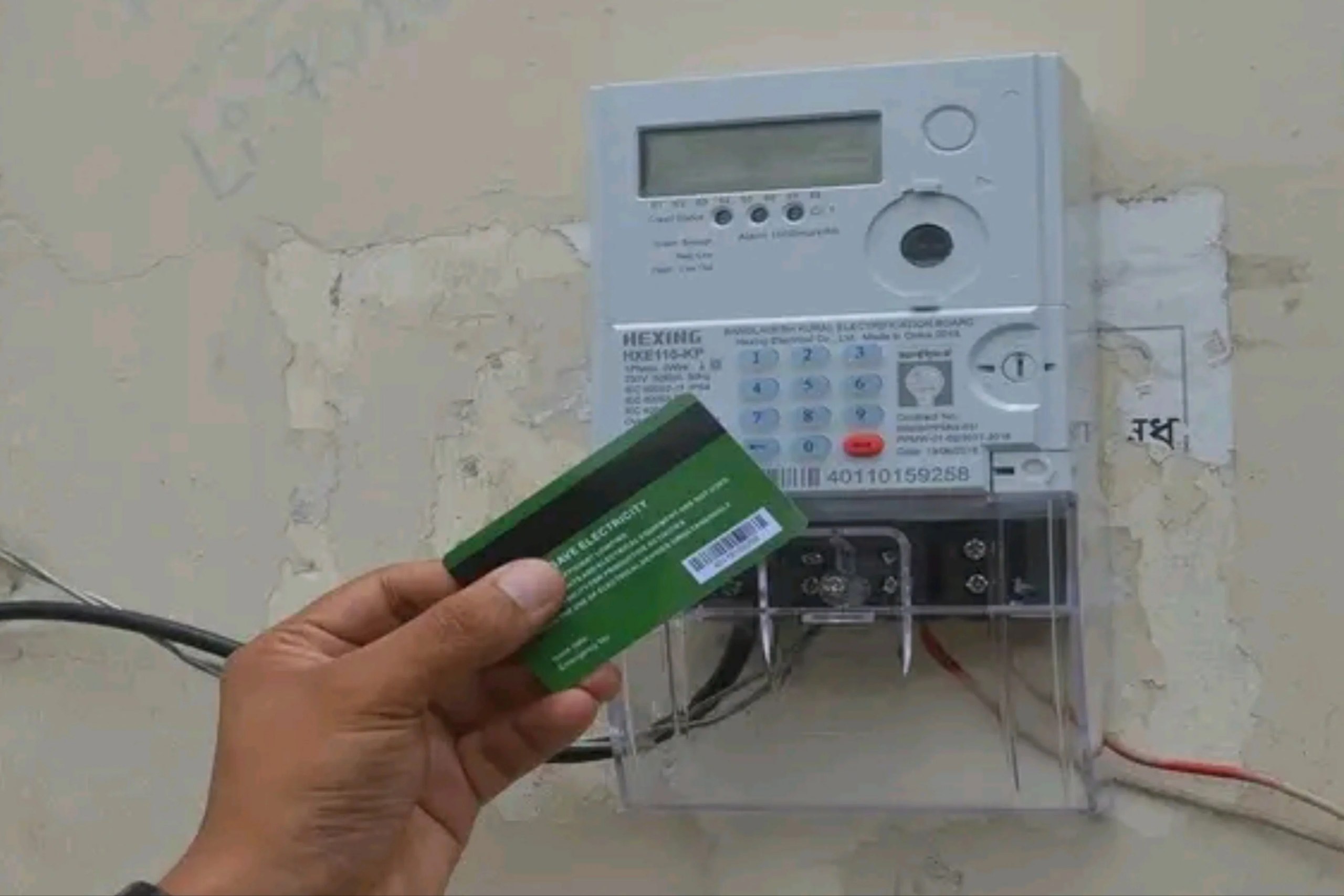
For the roughly 1.62 crore households in the lifeline category, the practical outcome is that their bills stayed where they were: Tk4.63 per unit for up to 50 units a month, and Tk5.26 per unit for households in the 51-to-75-unit range. Every other consumer category, however, is paying more. Households using 76 to 200 units now pay Tk8.5 per unit, up from Tk7.2, while the highest-usage households, consuming more than 600 units a month, pay Tk17.35 per unit, up from Tk15.40.
Discover More Stories Worth Your Time
Explore How SSC Exams Began?
Discover how nearly 19 lakh students are participating nationwide in the 2026 SSC exams.
Check Why UV Index Dangerous?
Explore why today’s UV level has reached extreme risk across Bangladesh.
See How Business Setup Easier?
Discover how the new investment agency merger simplifies starting a business.
Find Why Truck Fares Jumped?
Explore what’s driving the sudden Tk 10,000 increase in Chittagong logistics costs.
Learn Which Bangla Songs Trending?
Discover the fresh modern Bengal tracks gaining popularity this month.
A Narrow Reprieve, Not a Frozen Bill
Consumer groups have welcomed the reversal for lifeline users but cautioned that the broader hike still carries indirect costs for low-income households, since higher tariffs for industry, agriculture, and transport tend to filter into the price of food and other essentials over time. Lifeline rates have also crept up steadily over the years regardless of this particular episode — from Tk2.50 per unit in 2010 to today’s Tk4.63 — meaning the reprieve applies only to this specific round of adjustments, not to the longer trend in what low-usage households pay for power.
Summary: Bangladesh’s electricity regulator raised tariffs across the board on June 3, including a 14.9 per cent hike for the country’s 1.62 crore lifeline consumers, but reversed the lifeline and first-tier increases within 24 hours after the Power Division warned the move would hurt low-income households.