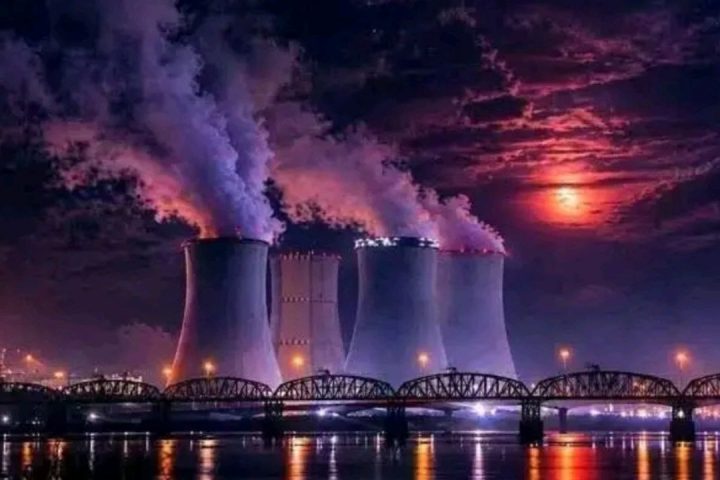
Bangladesh’s power sector has slipped deeper into crisis, with rolling blackouts now affecting every one of the country’s eight divisions after a sharp drop in gas supply crippled electricity generation.
The trigger was an accident on July 22 at a liquefied natural gas terminal operated by Excelerate Energy, which cut pipeline gas supply by more than 17 per cent almost overnight.
Shortfall Triples in a Week
The numbers tell the story of how fast conditions deteriorated. The average daily generation shortfall reached 1,482 megawatts last week, more than four times the 320 megawatts recorded the week before.
Hourly data was even starker: the deficit hit 2,174 megawatts on August 1 before climbing to roughly 3,000 megawatts in the early hours of the following day, with shortfalls staying above 2,000 megawatts from noon through evening. On a recent peak day, the national grid managed to generate just over 13,200 megawatts against demand of more than 15,200 megawatts, leaving over 2,000 megawatts of demand unmet.
Dozens of Plants Running Short
Power Grid Bangladesh data shows 62 of the country’s 143 listed generating units are currently facing fuel shortages, including 26 gas-fired plants, 33 running on liquid fuel, and two coal-fired stations.
The Dhaka division has recorded the steepest shortages, putting industrial hubs in Savar, Narayanganj, and Gazipur under particular strain. Several coal-fired plants, including Payra, SS Power, and Rampal, are also running below capacity because of coal supply problems and maintenance issues, compounding the pressure from the gas shortfall.
With gas-fired capacity in especially short supply, utilities have leaned harder on costly furnace-oil plants to fill the gap, pushing the average cost of generation up to roughly Tk 7.71 per kilowatt-hour, compared with Tk 5.50 to Tk 6.50 on more typical days.
Households Feel It at the Stove
The shortage is not confined to the power grid. In parts of Dhaka, including Mohammadpur, residents have gone without adequate gas pressure for cooking for close to three weeks, a problem that began when floodwater entered pipelines in the area and has yet to be fully resolved.
With little or no gas reaching household stoves, many families have had to fall back on alternative cooking methods, adding daily inconvenience on top of the extended power cuts.
Discover More Stories Worth Your Time
Looking for a Family Trip Before Eid?
Discover five budget-friendly weekend getaways near Dhaka for a relaxing holiday.
What Are the Top Eid Fashion Trends This Year?
Explore the latest outfit styles and fashion ideas to upgrade your Eid look.
Who Are Bangladesh’s Richest Cricketers?
See the top five stars, their estimated net worth, and successful business ventures.
Is Your Electricity Meter Overcharging You?
Learn the warning signs of a faulty meter and how to report billing issues.
How Can You Get the Tk 10 Lakh Student Loan?
Find out the eligibility, application process, and benefits of the government education loan scheme.
Industry and Farming Caught in the Squeeze
Gas scarcity has rippled into the industrial and agricultural sectors as well. Fertiliser producers have had to scale operations up and down to accommodate limited gas allocations, with plants like Ghorashal-Palas Urea and the multinational KAFCO drawing tens of millions of cubic feet of gas daily once running — supply that must be diverted away from power generation whenever fertiliser output resumes.
That trade-off leaves planners juggling competing priorities at a moment when neither the power sector nor the agricultural sector has much slack left to give.
Officials have not offered a firm timeline for restoring the lost LNG terminal capacity or stabilising pipeline pressure in affected residential areas. Until supply recovers, distribution companies are expected to keep rotating outages across regions, meaning both households and industries should brace for continued disruption in the days ahead.
Summary: Bangladesh is facing its most severe power crisis in months after pipeline gas supply fell by more than 17 per cent following a July 22 accident at an LNG terminal, pushing electricity shortfalls above 3,000 megawatts and forcing rolling load shedding in every division of the country.