In the past ten years, the UAE has become one of Bangladesh’s most reliable humanitarian partners. Since Bangladesh is prone to natural disasters very often, like floods that occurred during emergency relief efforts, and various other types of healthcare services and aid provided to Rohingya refugees, the UAE’s support has consistently demonstrated the UAE’s commitment over time.
Emergency Relief: Floods, Winter Hardship, and Crisis Response
The UAE has a long history of intervening during humanitarian disasters in Bangladesh due to its vulnerability to natural disasters, particularly climate change.
Food, water, and supplies delivered to approximately 1,100 families from 150+ localities were facilitated through UAE-sponsored initiatives in the flood areas of Bangladesh during the 2025 flood season.
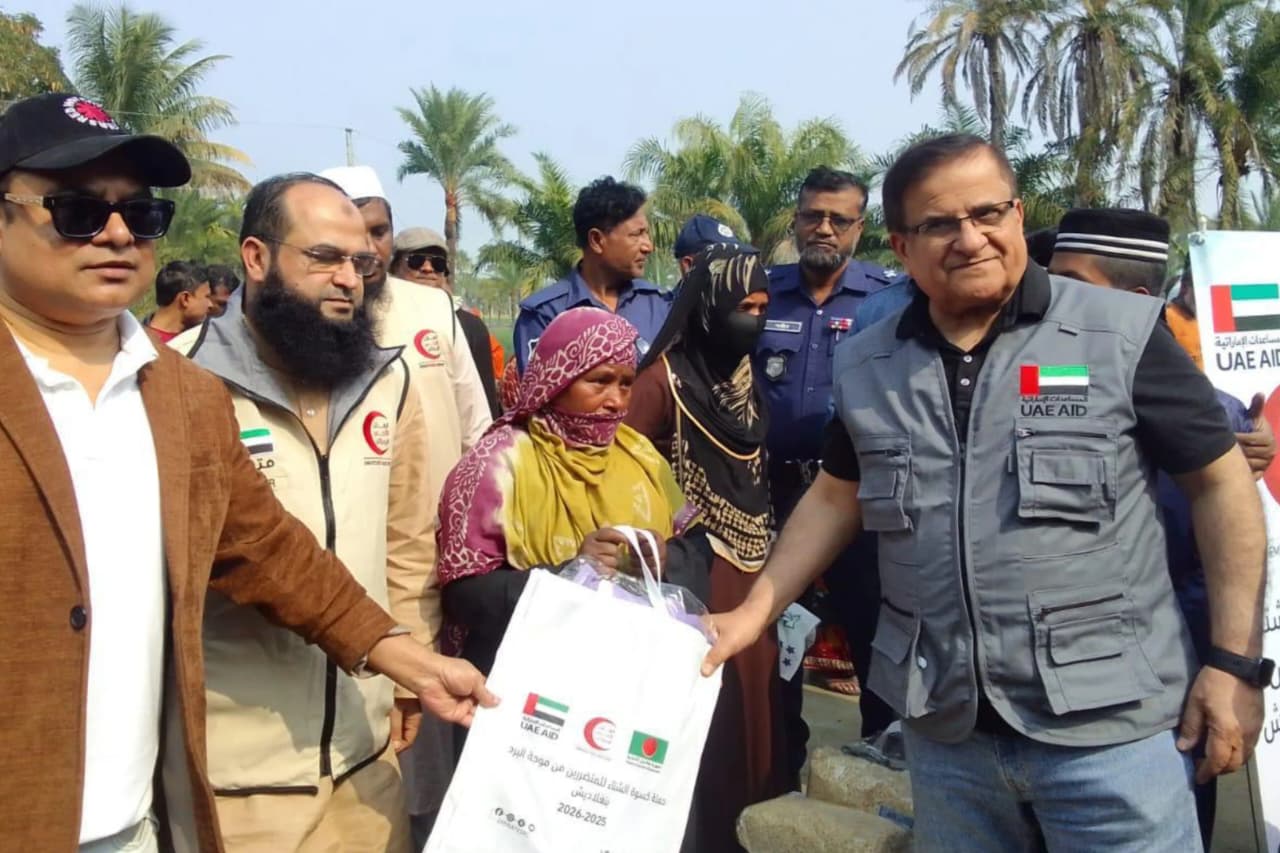
In early 2026, the UAE’s winter assistance campaign provided more than 1,800 families (and their caretakers) in northern districts with blankets and clothing for the very cold winters experienced by these communities.
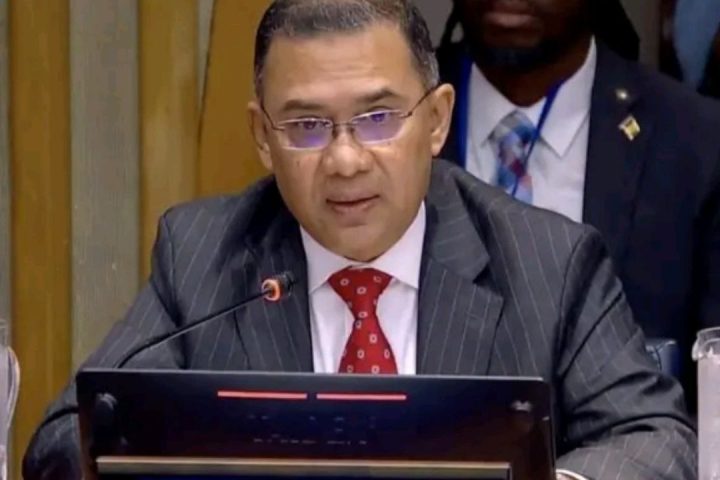
UAE Ambassador Abdulla Ali Abdulla Khaseif Alhmoudi coordinated all the above programs that benefited:
• 155,477 (155 thousand) people
• 34,581 (34 thousand) families
We believe these figures represent the scale of the UAE’s humanitarian assistance to Bangladesh, while at the same time also reflect the consistency of this assistance, which will continue to be needed on an ongoing basis as communities experience multiple rounds of recurrent risk factors.
A Lifeline for Rohingya Refugees in Cox’s Bazar
One of the UAE’s most significant contributions has been in support of the Rohingya refugee community living in Bangladesh.
Since the start of the Rohingya humanitarian crisis in 2017, the UAE has been an important actor in dealing with the world’s largest humanitarian emergency.
Construction Projects
Approximately 1800 temporary housing units were constructed.
Water wells were constructed to improve sanitation and access to clean water.
Healthcare
A joint field hospital with the UAE’s contributions was built in Cox’s Bazar, Bangladesh. The hospital has modern medical equipment and ambulances and continues to care for thousands of refugees.
Food Security
Through partnerships with UNHCR, the UAE has provided emergency food supplies to more than 130,000 refugees through its humanitarian efforts and enabled them to survive in overcrowded camps.
Healthcare and Nutrition: A Focus on Women and Children
The UAE’s commitment to humanitarian relief is multifaceted; it extends not only to immediate relief but also to improving health outcomes through long-term investment.
For example, the UAE has pledged $2 million in support of expanding nutrition centres in refugee camps by creating 28 new nutrition centres (going from 3 to 31), serving over 133,000 Rohingya refugees, particularly:
- Children who are malnourished
- Pregnant women and lactating mothers
The AED 65 million that has been raised through the “UAE for Rohingya Women and Children” campaign is for nutrition programs, sanitation facilities and preventive health care, which represents a targeted strategy of providing assistance to those most in need rather than applying a “one-size-fits-all” approach.
Food Security and Education: Building Sustainable Futures
The UAE, while still providing emergency assistance, has made long-term investments as well, particularly in two areas of Priority:
- Food Security & Education
- School Feeding Program
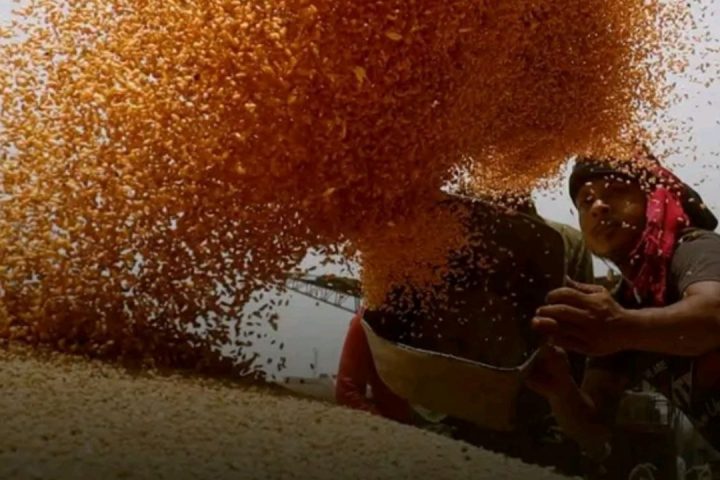
Dubai Cares launched a School Feeding Program with a contribution from the UAE government of $2.5 Million in 2012, in cooperation with organisations such as BRAC, to provide daily meals for children attending school.
The School Feeding Program will improve School Attendance & Academic Achievement, support Childhood Nutrition and Growth, and provide ongoing assistance with Food Parcels for thousands of families in multiple districts, further demonstrating the UAE’s commitment to combating hunger at its source.
COVID-19 Response: Standing Together Through A Global Crisis
During the COVID-19 pandemic, the UAE also provided much-needed aid to the health care system of Bangladesh.
The UAE provided over 7 metric tons of medical supplies and logistical support to thousands of frontline health care workers, which contributed to managing the supply shortage during the peak of COVID-19 infections and competed with the UAE’s goal of providing rapid responses to global emergencies.
Eid Aid and Ramadan Aid 2026
An effective aid campaign in Bangladesh led by UAE funded organizations through out the month of Ramadan, March 2026. The Emirates Red Crescent and Zayed Charitable and Humanitarian Foundation worked to deliver assistance to 1620 families (a substantial number were residents of the Vashantek neighbourhood (slum) of Dhaka).
Each aid package contained a variety of food staples, such as rice, lentils, cooking oil (or fat), etc. These packages provided food for families through the month of Ramadan and continuing into the Eid al-Fitr holiday, which is particularly important from a food security perspective.
What distinguishes this aid from other forms of AI is not only the timing during Ramadan but also that the UAE is careful to plan its distribution methods with consideration of cultural factors and the timing of special occasions. In doing so, the UAE’s humanitarian programs are designed in a manner that considers the dignity of the recipients and also provides appropriate and relevant assistance.
The Role of Key Organisations Driving UAE Aid
Several UAE institutions have been instrumental in executing these humanitarian initiatives:
Together, these organisations create a structured and efficient aid ecosystem rather than fragmented efforts.
A Strategic Vision: Beyond Relief to Resilience
The long-term vision is what makes the UAE’s approach to humanitarian engagement different from others.
Rather than just responding to emergencies, the UAE helps people in three main ways:
- Provide immediate assistance (food, shelter, medical help)
- Build capacity (programs like education, nutrition)
- Develop infrastructure (housing, health facilities)
A multi-layered approach helps communities both survive through crises and recover and build stronger after a crisis has passed.
The UAE has a humanitarian philosophy based on the views of its leaders, such as Sheikh Khalifa bin Zayed Al Nahyan, which promotes solidarity among nations, especially with the developing world, who are dealing with repeated crises.
Discover More Stories Worth Your Time
Find How Bus Fares Changed?
Explore the full 2026 fare breakdown and what it means for daily passengers.
Learn What Motor Show Offers?
Discover highlights from Dhaka’s biggest auto expo and the latest trends on display.
Explore What Posts Break Law?
Discover how Bangladesh’s cyber laws can turn even simple online content into legal trouble.
Check Is Your Bank Safe?
Explore why viral protests over the Islami Bank takeover are raising fresh concerns.
See Why Chattogram Blacked Out?
Discover what caused the shutdown of power plants and when relief may arrive.
Building Diplomatic Relations through Humanitarian Assistance
UAE humanitarian assistance has also been important in building diplomatic relations between the UAE and Bangladesh.
Frequent visits by UAE officials to Cox’s Bazar and other project locations ensure there is transparency and accountability in the projects. The visits help reinforce the trust between the two countries.
Additionally, the UAE supports not only the refugees in Bangladesh but also the local host communities; thus, alleviating the stress on their resources whilst creating a more balanced model for the development of the country overall.
Future Collaborations
As Bangladesh will continue to suffer from climate issues, economic problems and refugee issues, the need for the UAE’s assistance in the future is likely to grow.
Additional potential areas of collaboration include:
- Climate resilience initiatives
- Renewable energy projects
- Increased healthcare infrastructure
- Digital and educational initiatives
With its strong track record, the UAE is in a great position to help Bangladesh with its future development.
FAQs
What aid is being given by the UAE to support Bangladesh?
A wide variety of methodologies for providing assistance and resources are available through the UAE; these methodologies include humanitarian needs and assistance such as food distribution, provision of healthcare services, building infrastructure for disaster relief and housing for refugees, and emergency relief during times of disaster.
In what ways has the UAE assisted Rohingya refugees?
As part of the ongoing assistance to Rohingya refugees, the UAE has assisted in the building of housing, installation of water wells, funding of medical facilities and the distribution of food assistance to over 130,000 refugees in Cox’s Bazar.
What types of assistance were given to aid needy families during the 2026 Ramadan and Eid holiday?
During the 2026 Ramadan and Eid holiday, over 1,620 needy families were assisted by providing them with food packages containing necessities for Ramadan and Eid al-Fitr.
What organisations manage UAE Aid for Bangladesh?
There are several organisations that manage UAE Aid in the country of Bangladesh; these include, but are not limited to, Emirates Red Crescent, Zayed Charitable and Humanitarian Foundation, and Embassy of the United Arab Emirates in Dhaka.
Did the UAE support Bangladesh during the COVID-19 epidemic?
Yes, during the COVID-19 epidemic, the UAE provided over 7 metric tons of medical supplies to support the front-line healthcare workers fighting against COVID-19.
Conclusion
The UAE is committed to a long-term partnership with the people of Bangladesh; their commitment is based on compassion, strategy, and shared goals.
The UAE continues to support its partner, Bangladesh, through its ongoing commitment of providing support during times of crisis as well as through developing long-term investment in the areas of health care, food security, and refugee support, as exhibited through assistance to families in need during the 2026 Ramadan and Eid holiday season.
Given these and other global issues will only continue to evolve in today’s world, there is every expectation that the UAE and Bangladesh will continue to collaborate in finding meaningful solutions.