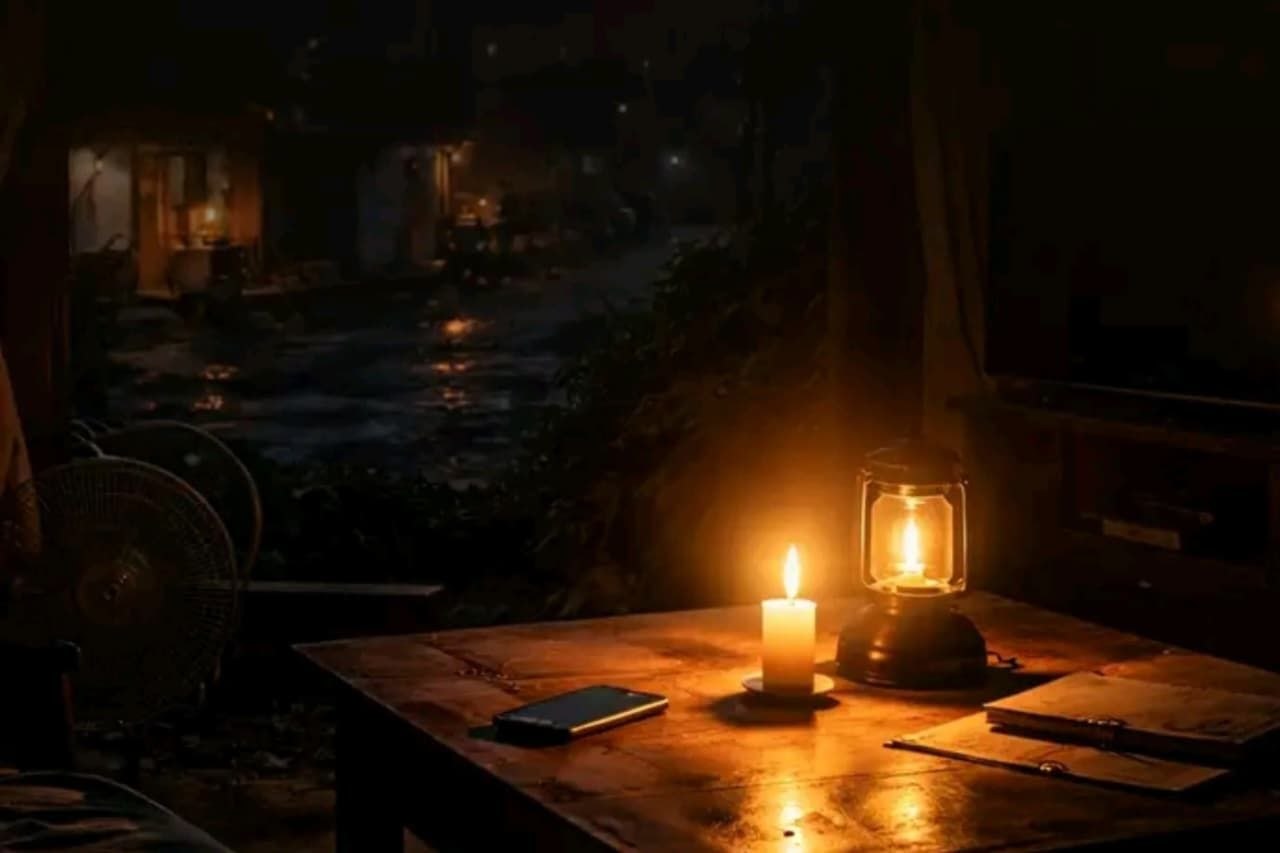
Residents of Araihazar are having a hard time because of a power crisis. Some areas are going without power for up to 17–18 hours every day. Electricity is only available for a few hours a day for many homes, which makes it hard to work, study, and live in general.
The Main Problem: There is a lot more demand than supply.
The crisis is caused by a growing gap between the amount of electricity that people want and the amount that is available. In the last few years, Araihazar’s population, agriculture, and small businesses have all grown very quickly. But the power infrastructure hasn’t kept up.
The Araihazar 412 MW Combined Cycle Power Plant and other similar projects are not yet enough to meet peak demand in all areas. Because of this, distribution authorities have to move power cuts around between feeder lines.
Fuel Shortage Across the Country Making Things Worse
The problem isn’t just in one place; it’s a bigger problem for the whole country. Bangladesh is having trouble getting enough fuel, which has caused some power plants to stop or cut back on their output. This has made the grid’s overall supply of electricity much lower.
Because there isn’t enough supply, officials focus on urban and high-demand areas. This means that suburban and rural areas like Araihazar have to deal with long outages.
Industry and agriculture are putting more pressure on things
Agricultural and industrial use make Araihazar’s need for electricity even higher. Electric irrigation pumps are very important to farmers, especially during the busiest times of the year. Local weaving and textile units also use a lot of power at the same time.
These combined loads often overload transformers and feeder lines, forcing operators to turn off the power for long periods of time to keep the system from breaking down.
Discover More Stories Worth Your Time
Explore Can Tigers Qualify Directly?
Discover how Bangladesh’s ICC ranking push could secure a direct World Cup 2027 spot.
Check How To Win Tickets?
Explore how the Standard Chartered Visa offer can take you to FIFA World Cup 2026.
See Why Airports Reopening Matters?
Discover how Bogura and Thakurgaon airports will boost North Bengal connectivity.
Find What Measles Signs Matter?
Explore the key symptoms Dhaka parents must watch amid the nationwide alert.
Learn How To Visit White Peak?
Discover routes, stays, and top experiences at Bandarban’s offbeat nature escape.
What “18 Hours Without Power” Really Looks Like
“18 hours without power” sounds like a blackout that lasts all day, but that’s not quite right. People in unions like Kalapaharia and Gopaldi are said to only get 6–7 hours of electricity a day.
But this supply isn’t steady; it’s broken up into blocks that change all the time instead of having set times. This makes it even harder for people to plan their daily lives or run their businesses well.
What the Authorities Are Saying
The Rural Electrification Board has admitted that there is a problem and is working to fix it. Better coordination with power generators and optimising feeder-based distribution are two of the steps that will be taken.
Officials say, however, that extended load-shedding will probably continue in most of Araihazar until the national fuel and generation crisis gets better.
What Residents Should Expect Next
For now, the situation doesn’t help much right away. During peak usage hours, outages are likely to continue during the day and at night. A lot of people are already looking into other options, like solar panels, inverters, or diesel generators, to deal with the situation.
Araihazar’s power crisis is a clear example of the problems that quickly growing areas face until supply catches up with demand.