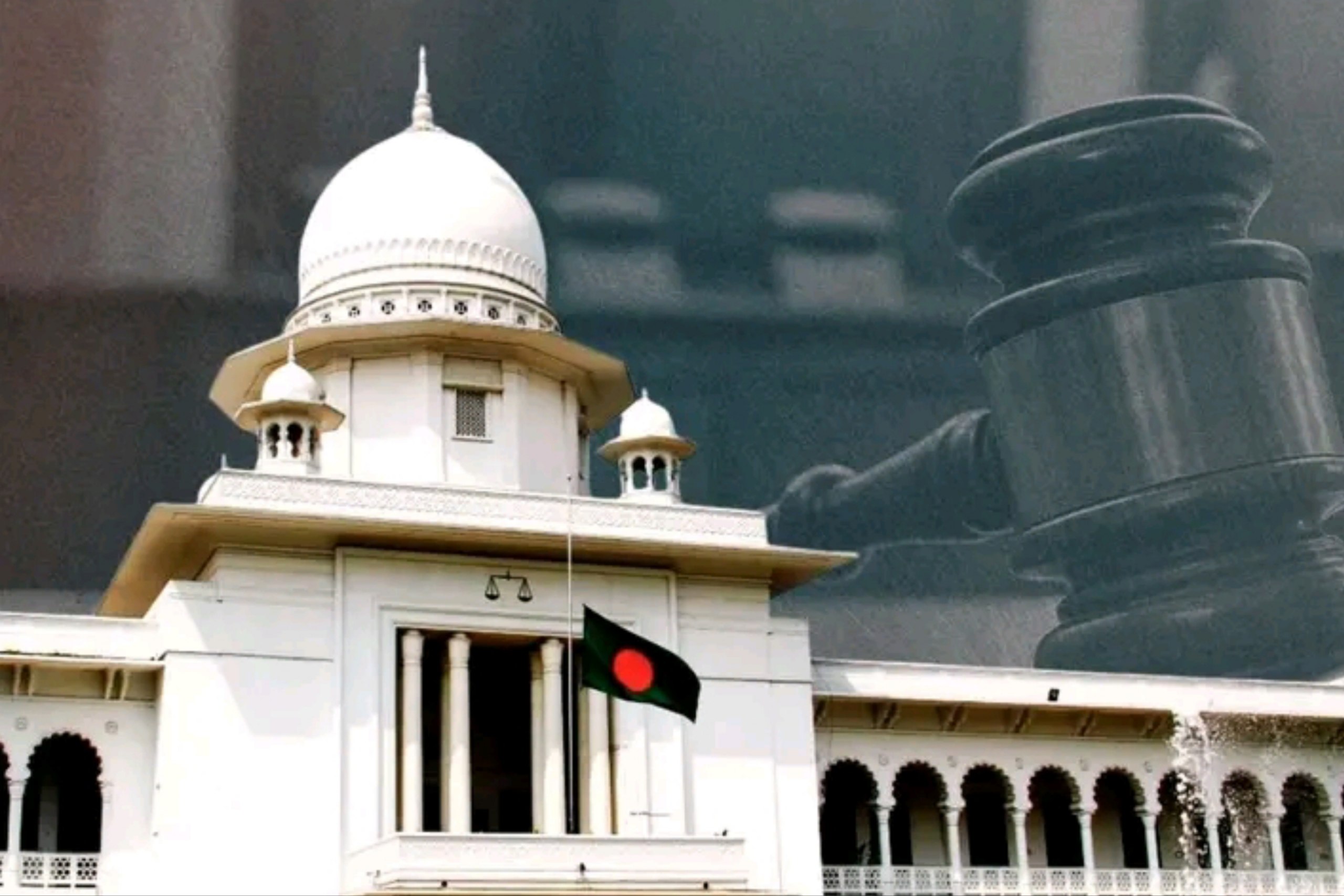
Dhaka High Court today (May 19, 2026) posed the question: why should not the allocation of spaces for hawkers on Dhaka’s roads and footpaths be declared illegal? It could be a turning point for pedestrian safety and urban planning. This came just weeks after the government unveiled its first-ever official hawker policy framework.
The new High Court decision
The High Court has issued a rule as to why an order should not be given declaring the allotment of spaces for hawkers on roads and footpaths of Dhaka illegal. The court wants the government to reply on whether the practice of officially earmarking space on roads and footpaths for street vendors should be banned altogether.
This follows an earlier High Court order directing the government to constitute a five-member high-powered committee to identify those who give footpaths on lease and submit a list of their names to the court.
The Government’s Hawker Policy (Background)
On 7 May 2026, the government implemented “Dhaka City Hawker Rehabilitation Policy 2026,” the first formal policy framework for managing street vendors in Bangladesh.
POLICY TERMS Summary:
- Mandatory Registration: Hawkers must register with a Hawker Management Committee under the city corporations for smart cards/identity cards.
- Designated Zones: Hawkers can only operate where 5-6 feet of open space is left for pedestrian movement after stalls are installed.
- Holiday & Night Markets: New “Holiday Markets” (Fridays, Saturdays, public holidays) and “Night Markets” (after office hours in commercial zones) to be introduced.
- Priority for Vulnerable Groups: Women and persons with disabilities are given priority for the allocation of market space.
- No Permanent Structures: Hawkers are prohibited from erecting permanent structures, and all goods must be cleared away after operating hours.
Enforcement. Licenses of violators will be cancelled, and unlicensed hawkers may be evicted without notice.
Effect on Hawkers
Adverse Effects:
- Unlicensed hawkers to be thrown out on the spot without notice
- Space for hawker rehabilitation limited
- Personal use only, no subleasing or transfer of allotted spaces
- The daily operators have to move away all the goods, increasing operational costs
- Potential loss of livelihood for hawkers unable to get registered
Positive effects:
- Registered hawkers’ formal protection in designated areas
- Priority for women and disabled persons
- New income opportunities through night and holiday markets
- How will it impact your daily commute in Dhaka
What will be changed:
Before the ruling, hawkers were completely blocking footpaths, forcing pedestrians onto the roads. With full implementation, footpaths will have clear and unobstructed walkways to ensure the safe flow of pedestrians and reduce traffic congestion in key zones. “Rather than being pushed onto dangerous roads, pedestrians will enjoy quicker transit and better road safety.
Most affected busy areas:
- Gulshan, Banani, Dhanmondi (commercial areas with night markets)
- Motijheel, Farmgate, Nilkhet (Traffic points)
- Mirpur 10, Jatrabari, Bawbazar (key transit points)
- Uttara, Bashundhara R/A (residential commercial area)
Discover More Stories Worth Your Time
Explore How SSC Exams Began?
Discover how nearly 19 lakh students are participating nationwide in the 2026 SSC exams.
Check Why UV Index Dangerous?
Explore why today’s UV level has reached extreme risk across Bangladesh.
See How Business Setup Easier?
Discover how the new investment agency merger simplifies starting a business.
Find Why Truck Fares Jumped?
Explore what’s driving the sudden Tk 10,000 increase in Chittagong logistics costs.
Learn Which Bangla Songs Trending?
Discover the fresh modern Bengal tracks gaining popularity this month.
Why It Matters to Pedestrians
The ruling comes at a time of a major urban crisis: Dhaka’s footpaths are fully occupied by hawkers, forcing pedestrians onto roads where they are in mortal danger. The Supreme Court has also directed states to ensure that footpaths are free of obstructions and accessible to the disabled, recognising that obstruction-free footpaths are a fundamental right under Article 21.
And then what?
The case will be heard at the High Court and awaits the government’s reply. If the practice is declared illegal, existing hawkers will have to leave roads and footpaths forever, only designated market areas will be allowed for vending, city corporations will have to evict hawkers without licences, and pedestrian-friendly zones will be created across Dhaka.
The Bottom Line for Commuters
The ruling may make walking in Dhaka safer and faster, but it may initially create disruption with the relocation of hawkers. Short-term congestion during the transition period will be followed by long-term improvements in pedestrian safety and urban mobility. This is a big step to make the busiest parts of Dhaka more walkable and accessible for commuters.
Summary: The Bangladesh High Court issued a rule today (May 19, 2026) asking why allocating spaces for hawkers on Dhaka’s roads and footpaths should not be declared illegal. This follows the government’s newly introduced Dhaka City Hawker Rehabilitation Policy 2026. The ruling could end footpath occupation by hawkers, improving pedestrian movement but affecting livelihoods.