Millions of people along the coastline of Bangladesh – from Cox’s Bazar to the Sundarbans – rely on fishing and shrimp farming for their livelihoods. But climate shocks, falling fish stocks, shrimp disease outbreaks make incomes dangerously fragile. Researchers and development workers are posing an interesting question these days: Could lobster farming be the breakthrough coastal communities have been waiting for?
The Lobster Case
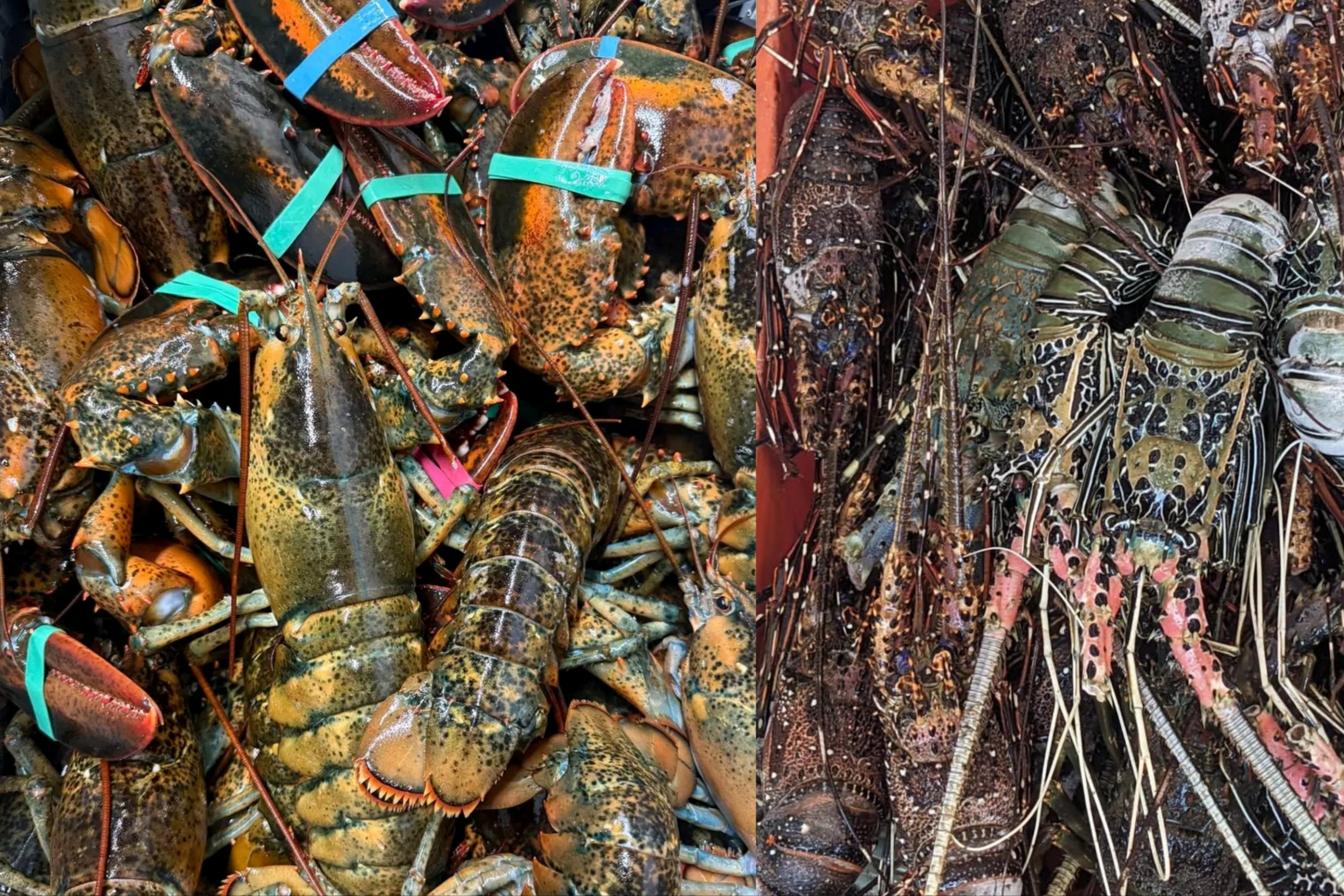
Export markets sell tropical spiny lobsters caught in the coastal waters of Bangladesh for USD 15-40 per kilogram compared to farmed shrimp. In comparable circumstances, Vietnam developed a billion-dollar lobster cage farming industry over two decades, almost entirely driven by small fishing families. Bangladesh has the same warm water temperatures, sheltered coastal bays, abundant trash fish for feed, and wild juvenile lobster populations that made Vietnam’s success possible.
How It Works
Small-scale lobster aquaculture consists of submersible sea cages anchored in protected waters. Juvenile lobsters are stocked, fed daily on trash fish at low cost, and harvested at marketable size after 8 to 18 months. A small set-up of 10-15 cages can earn income much higher than conventional fishing – with the same family labour already available in coastal households.
Challenges That Need To Be Addressed
The potential is real, but so are the hurdles. Bangladesh has no lobster hatchery and farmers depend on wild-caught juveniles, a practice that could deplete natural stocks if not regulated. The cold chain infrastructure and fair market linkages continue to be weak. Currently, there is no formal regulatory framework for marine cage farming, which results in legal uncertainty for interested farmers.
Discover More Stories Worth Your Time
Explore Why Pension Linking Matters?
Discover why linking your bank account before May 15 is crucial for pension benefits.
Check How To Watch Master?
Explore where Bangladeshi fans can stream the film heading to the Sydney Festival.
Find How Farmers Get Aid?
Discover compensation steps for rice farmers affected by heavy rain and crop losses.
See Which Cattle Market Nearby?
Explore Dhaka’s Eid cattle market locations and how to avoid major traffic chaos.
Learn How To Send Money?
Discover the fastest, safest, and most affordable legal remittance options for Bangladesh
Summary
Lobster farming is a real income boost for the coastal poor of Bangladesh, but only if the government invests in hatchery research, cooperative farming models, microfinance tailored to lobster farming and proper regulation. The opportunity is too valuable to be unstructured.
FAQs
Q1: Is there any lobster farming in Bangladesh now?
Only on a very small scale and informally in Cox’s Bazar and Chattogram coastal areas. There is no formal licensing or government program for lobster cage farming at present, although the Bangladesh Fisheries Research Institute has expressed interest in pilot development.
Q2: How much does it cost to set up a basic lobster farm?
A starter set of 10 to 15 sea cages would cost BDT 1,50,000 to BDT 3,00,000, including cage construction, seed and initial feed. To participate, poor coastal households need access to microfinance for longer production cycles.
Q3: What do small farmers’ lobster farming compare to shrimp farming?
Lobster commands a much higher market price, but takes a longer time to grow out and does not yet have the established support infrastructure that shrimp farming enjoys. The long-term profit potential is much greater – but the risk of entry is also much higher without proper institutional support.