
For millions of Bangladeshi workers abroad, one of the most significant financial choices they make each month is remitting money home. But with so many options available—mobile wallets, bank wires, informal channels—finding the right one can mean the difference between paying hundreds of taka in fees or risking your family’s money.
In 2026, three channels dominate the conversation: bKash, traditional bank transfers and the shadow economy of hundi. So here’s an honest comparison of each so you can send smarter, safer and cheaper.
Your Choice of Remittance Channel Is More Important Than Ever
Bangladesh receives over $20 billion in remittances every year, which is one of the biggest sources of foreign currency for the national economy. But a good chunk of that money still moves through risky or expensive channels simply because senders are unaware of better options.
2026 is the year to make the right choice as exchange rates tighten, overseas living costs rise, and law enforcement cracks down on illegal transfers.
Option 1: bKash – Fast, Familiar, But Read The Fine Print
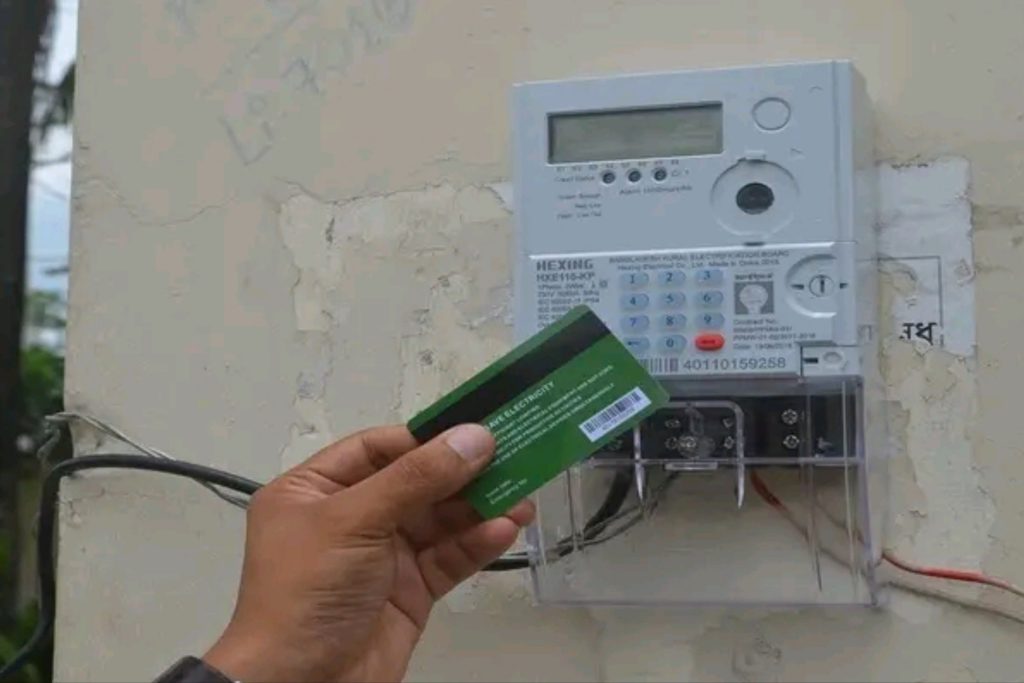
bKash has changed the way people in Bangladesh receive money at home. Through international remittance partners like Ria, Western Union and Remitly, recipients can get the money credited into their bKash wallet within minutes of a transfer initiated from abroad.
For smaller, regular transfers, you can’t beat it for pure convenience. Your family doesn’t need a bank account, just a registered bKash number, and they can get the money instantly.
Pros:
- Transfer done in minutes
- The recipient does not need to have a bank account
- available in popular apps such as Remitly, Wise and Western Union
- Common in Bangladesh
Cons:
- The fee is between 1.5% and 2%, depending on the transfer
- Limited exchange rate margin on top of the fee
- Monthly transfer limit of around Tk 2 lakh
- Not so good for big, one-off payments
Best for: Small routine transfers to family for daily expenses.
Option 2: Bank Transfer – Slow but Sûre
For larger amounts, i.e. any amount above Tk 50,000, bank-to-bank transfers are still the gold standard in terms of safety and reliability. These are fully traceable and are governed by the government and protected under the purview of the Bangladesh Bank.
One major advantage that many remitters miss out on: the government of Bangladesh currently offers a 2.5% cash incentive on all inward foreign remittances sent through legal banking channels. That means if you send Tk 1,00,000, the other party gets Tk 2,500 extra. Basically, free money for doing things the right way.
Benefits:
- Completely legal, traceable and safe
- Qualifies for 2.5% cash incentive from the government
- High transfer limits – good for larger amounts
- Full bank protection, no risk of loss
Cons:
- 2-3 business days to arrive.
- Sending bank fixed wire transfer fees of $5 to $25
- Expensive for small and frequent transfers
- Requires the recipient to have a bank account.
Best for: Large one-off transfers like property payments, medical costs or savings.
Option 3: Hundi – The Hidden Danger That Nobody Talks Enough About
Illegal hundi networks, which are illegal under Bangladeshi law and international anti-money laundering regulations, are still operating. They are attractive to users because they look cheap on the surface, promising same-day delivery and no paperwork.
But the risks are real and severe.
Just in 2025, there were multiple crackdowns across the Gulf states and Southeast Asia, with workers unable to claim their full month’s wages and with no legal recourse. Bangladeshi authorities and foreign law enforcement agencies are increasingly cracking down on Hundi operators. Moreover, the users are also exposed to possible criminal prosecution in the country where they are working, apart from losing their money.
The apparent savings are just not worth it.
Disadvantages of hundi:
- Totally illegal – criminal penalties in Bangladesh and abroad
- No cover if money is lost or stolen
- Operators can disappear with your money overnight
- Contributes to economic damage and money laundering
- Can jeopardise your work visa and legal status overseas
Verdict: Not a chance.
Discover More Stories Worth Your Time
Check How Mangoes Reach Abroad?
Explore airfreight costs and export logistics behind Bangladesh’s mango shipments.
Find Which Kids Channels Shine?
Discover fun YouTube channels packed with creative summer activities for children.
Check Will Visa Rules Change?
Discover what West Bengal’s new government could mean for Indian medical visa applicants.
Explore Why Hajj Safety Matters?
Discover the latest health warning after Bangladeshi pilgrim deaths during Hajj 2026.
Find How To Get EV Loan?
Explore the step-by-step process for applying to Bangladesh Bank’s Tk 80 lakh green loan.
Quick Comparison Table
| Feature | bKash | Bank Transfer | Hundi |
| Speed | Minutes | 1–3 days | Same day |
| Fee | 1.5–2% | $5–$25 fixed | Appears low |
| Legal | Yes | Yes | No |
| Govt. Incentive | No | Yes (2.5%) | No |
| Safe | Yes | Yes | No |
| Best for | Small, regular | Large amounts | Never |
Our Verdict for 2026
The remittance scene in Bangladesh has actually improved. Legal ways are now faster, cheaper and more accessible than ever before. This is what we recommend:
For small regular transfers: Use bKash through a licensed partner app such as Remitly or Wise. Compare rates—and send even 0.5% makes a difference over a year.
For large one off transfers: Always use a bank wire. If you want peace of mind, you get full legal protection and can get your government cash incentive of 2.5%.
For hundi: Never. No matter what. Protect your money, your family and your legal status abroad.
Final Words
Every taka earned through hard work abroad deserves to reach your family safely. There are no good reasons to take unnecessary risks in 2026 when legal, fast and affordable choices are widely available.
Make a good choice. Send safe. And tell the other workers in your community to do the same.”