
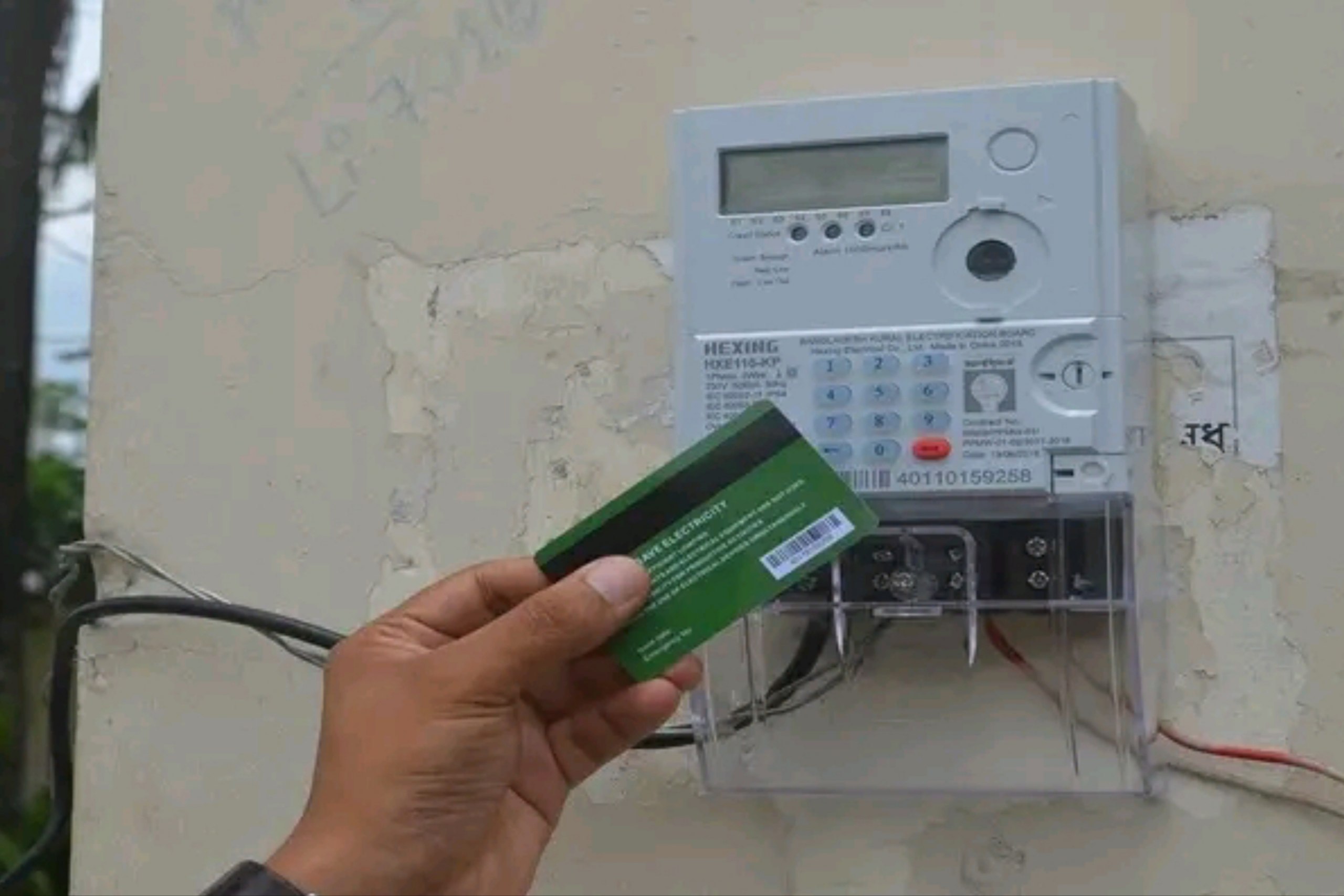
You opened your electricity bill this month, and something felt wrong. The number was higher — again. You did not buy a new appliance. You did not leave the AC running all night. Yet somehow the bill crept up, and now you are quietly rearranging the month’s budget in your head, calculating what to cut.
You are not alone. Millions of Bangladeshi households are facing the same math right now. Electricity tariffs have been revised multiple times in recent years, and with global energy prices remaining volatile, another hike is always around the corner. The problem is real. But so is the solution — and it does not require you to sit in the dark or sell your refrigerator.
Here are five practical tips that actually work.
1. Switch to Energy-Efficient Appliances and Bulbs
The single biggest win most households can get immediately is replacing old filament or CFL bulbs with LED bulbs. An LED uses up to 80% less electricity while giving the same brightness. If your home runs 10 bulbs for 6 hours daily, switching to LED alone can save thousands of taka over a year. Similarly, when your old fan, refrigerator, or air conditioner needs replacing, always check the Energy Star rating before buying. A 5-star rated refrigerator can use nearly half the electricity of an unrated model. The upfront cost is higher, but the monthly savings pay it back within a few months.
2. Create a Monthly Electricity Budget and Track It
Most families pay their electricity bill reactively — they see the number, feel the shock, and move on. Instead, treat electricity like your grocery budget. Set a monthly target in taka, read your metre yourself every week, and check whether you are on track. You can use any free calculator app or even a simple notebook. When electricity becomes a visible line item in your household budget — alongside rent, food, and school fees — you naturally become more conscious about waste. Awareness alone reduces consumption by 10 to 15 per cent in most households.
3. Shift Heavy Appliances to Off-Peak Hours
Washing machines, irons, rice cookers, and water pumps draw the most electricity. If you run all of them in the same evening window, your peak-hour load spikes — and so does your bill. Spread them out. Run the washing machine in the early morning, iron clothes before noon, and avoid stacking heavy appliances in the same two-hour window. For households on prepaid metres, timing your high-draw tasks during off-peak hours — typically before 7am or after 10pm — keeps your unit consumption predictable and manageable throughout the month.
Discover More Stories Worth Your Time
Explore Why QR Verification Matters?
Discover why digital verification is now mandatory for all bank statements and visa processing.
Check How To Apply Visa?
Explore the complete Indian e-Visa and e-Arrival card process for May 2026 applicants.
Find How To Skip Approvals?
Discover how the new provisional license helps businesses avoid lengthy approval delays.
See Which Cattle Markets Trusted?
Explore the cheapest and most reliable Qurbani cattle markets across Bangladesh.
Learn How Rail Travel Speeds Up?
Discover how the new railway upgrade could cut Dhaka-Rajshahi travel time significantly.
4. Kill Standby and Phantom Power
This one surprises most people. Your television, microwave, phone charger, and WiFi router all draw electricity even when you think they are off — this is called standby or phantom power. In a typical Bangladeshi household, phantom power can quietly account for 8 to 12 percent of the total monthly bill. The fix costs nothing: switch appliances off at the socket when not in use, unplug chargers once your phone is fully charged, and use a single power strip with a master switch for your TV setup. Start tonight — you will see the difference next month.
5. Reorganise Your Budget Around the New Reality
When electricity costs rise permanently, the smartest move is not panic — it is reallocation. Look at your monthly budget and identify two or three areas to trim temporarily: eating out less frequently, choosing local seasonal vegetables over imported ones, or cutting back on unnecessary mobile data. The goal is not to deprive your family but to prevent the electricity increase from silently pushing you into debt. Even a Tk 300 to 500 monthly reallocation protects your financial stability while you bring consumption down through the other four habits.
Rising electricity bills are a pressure, not a crisis — if you respond with intention. Start with one change today. Switch a bulb, unplug a charger, check your meter. Small actions compound fast, and within a month, you will see a number on your bill that feels like yours again.