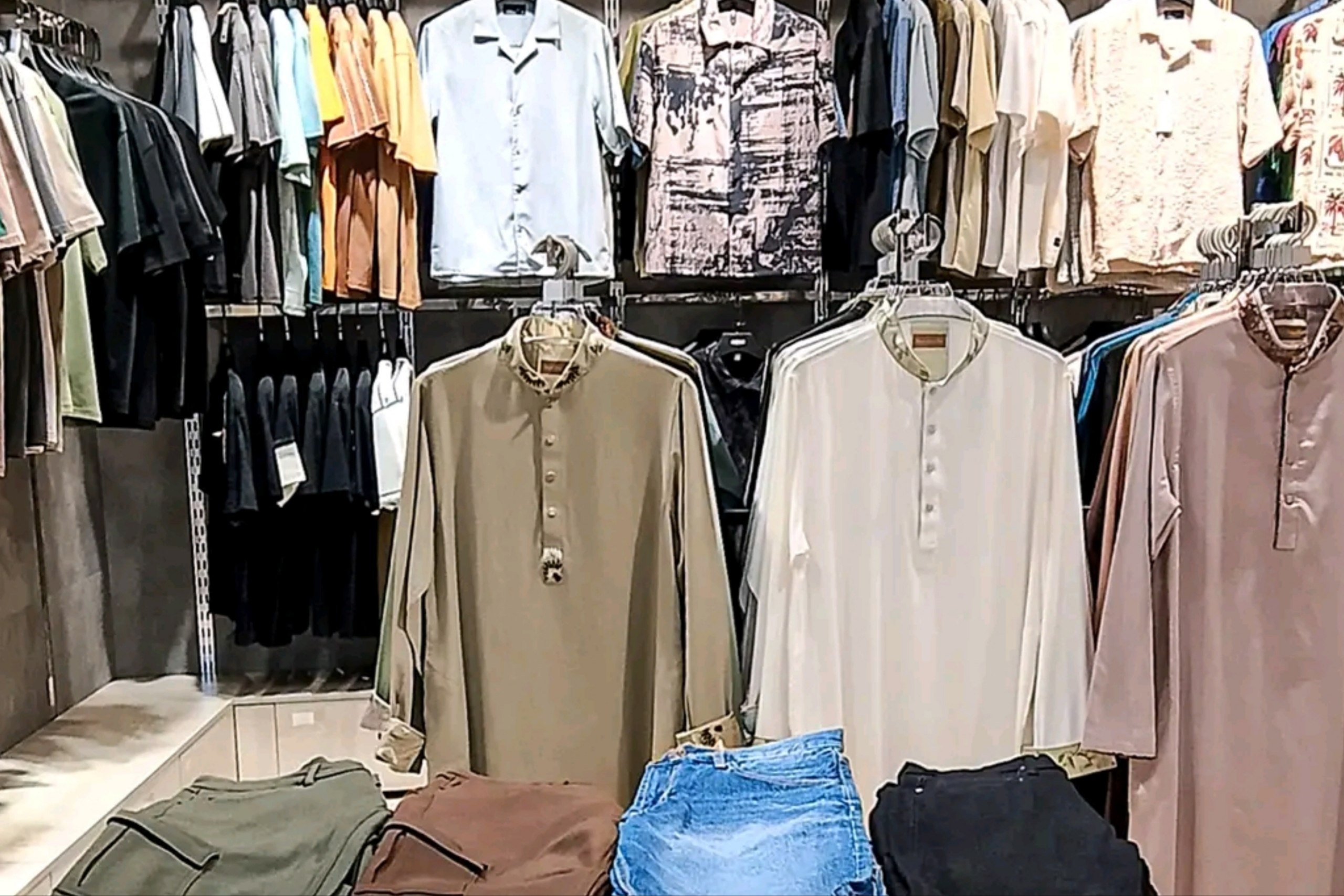
Walk through Gausia Market on any Friday evening, and the energy tells you everything. The narrow alleyways are alive with vendors calling out prices, shoppers haggling over deals, and piles of clothes stacked high on every surface — while a university student triumphantly holds up a vintage denim jacket she just bought for Tk 300. This is Bangladesh’s thrift shopping boom, and it is only getting louder.
What was once quietly dismissed as a budget necessity — or worse, something stigmatised — has transformed into one of the fastest-growing fashion movements in the country. The reasons are layered, personal, and increasingly powerful.
From Stigma to Style Statement
Previously looked down upon as a mark of stinginess and perceived as unhygienic by many, the trend of buying second-hand clothing is picking up strongly in the wake of climate change conversations and growing environmental awareness.
The shift is most visible among university students and young professionals. Gen Z in particular has embraced thrifting as a statement of individuality — a way to rebel against fast fashion and embrace vintage aesthetics at prices that do not demand a compromise. For this generation, wearing a thrifted piece is not a confession of financial constraint. It is a flex.
Instagram and Facebook Are Driving the Boom
The biggest accelerator of Bangladesh’s thrift culture has not been a physical store — it has been the smartphone. Numerous Instagram-based thrift stores have emerged across Bangladesh over the last several years, making the concept of secondhand fashion popular — even desirable — among young shoppers, and turning the trade into a lucrative business for many young entrepreneurs.
A variety of Instagram shops now curate second-hand culture for Bangladeshi consumers, including Vintage Ziana, @aesthrift.bd, Dhaka Vintage, and Thrift Store BD — with prices ranging from Tk 300 to Tk 700, making them genuinely accessible to students and early-career professionals.
Facebook has been equally important. Pages like “Dhaka Thrift” and “Bangladesh Thrift” have built loyal communities of buyers and sellers, with delivery available across the country. One co-owner of Dhaka Thrift described starting the page during the pandemic as a way to replicate the roadside shopping experience she missed — and found that quality control and low prices were all it took to build a customer base.
Affordability Remains the Core Appeal
Sustainability conversations matter — but the primary pull is price. Most buyers in Bangladesh have primarily been drawn to thrifting for its affordability rather than the environmental benefits, as thrift stores consistently offer high-quality items at a fraction of the price of conventional marketplaces.
Each item on the rack often comes in just one size, made from one exclusive fabric, going to just one particular customer, giving buyers a sense of ownership and individuality that mass-produced fashion simply cannot replicate. For a generation increasingly wary of buying the same H&M or Zara piece that thousands of others own, this is deeply appealing.
The Sustainability Angle Is Growing
While affordability drives most first-time thrift shoppers, environmental awareness is increasingly part of the conversation. Textile production contributes more to climate change than international aviation and shipping combined, according to the House of Commons Environmental Audit Committee — and growing environmental consciousness has made thrifting a go-to sustainable lifestyle choice for many consumers.
Trends like fashion flipping — buying pre-loved clothing and reselling it — and thrift flipping — reworking a thrifted piece into something new — have cemented pre-loved shopping as a mainstay in mainstream fashion consumption. Both practices are now common among Bangladeshi Gen Z, many of whom have turned thrift flipping into a side income stream.
Discover More Stories Worth Your Time
Find How To Watch World Cup?
Discover BTV channel numbers and streaming options for FIFA World Cup 2026 matches.
See How To Join Progoti?
Explore contribution rules, required documents, and bank application steps for the pension scheme.
Learn How To Get Family Card?
Discover registration requirements and how to check eligibility for monthly government assistance.
Explore How Bills Increase Now?
Discover how to calculate your June electricity bill under the latest BERC rates.
Check How To Fix Certificate Errors?
Explore the step-by-step process for correcting birth certificate information online.
Where to Thrift in Bangladesh
Physical markets remain the foundation of the scene. Gausia Market and Bongo Bazar in Dhaka are the most popular destinations, sourcing garments from export surpluses and international donations. For online shoppers, platforms like Thrift Market — Bangladesh’s first dedicated online fashion resale hub — allow buyers and sellers to trade pre-loved fashion items and give clothes a second life while promoting sustainable fashion.
Conclusion
The future outlook for Bangladesh’s secondhand apparel market is promising, driven by increasing sustainability awareness, the rising popularity of vintage and thrift shopping, and the economic benefits of purchasing secondhand clothing, with the proliferation of online platforms and social media channels dedicated to buying and selling pre-owned items expected to further facilitate market expansion. For a country that produces a significant share of the world’s garments, Bangladesh’s development of a robust culture of garment reuse is not just a fashion trend — it is a meaningful step toward closing the loop on the industry it helps power.