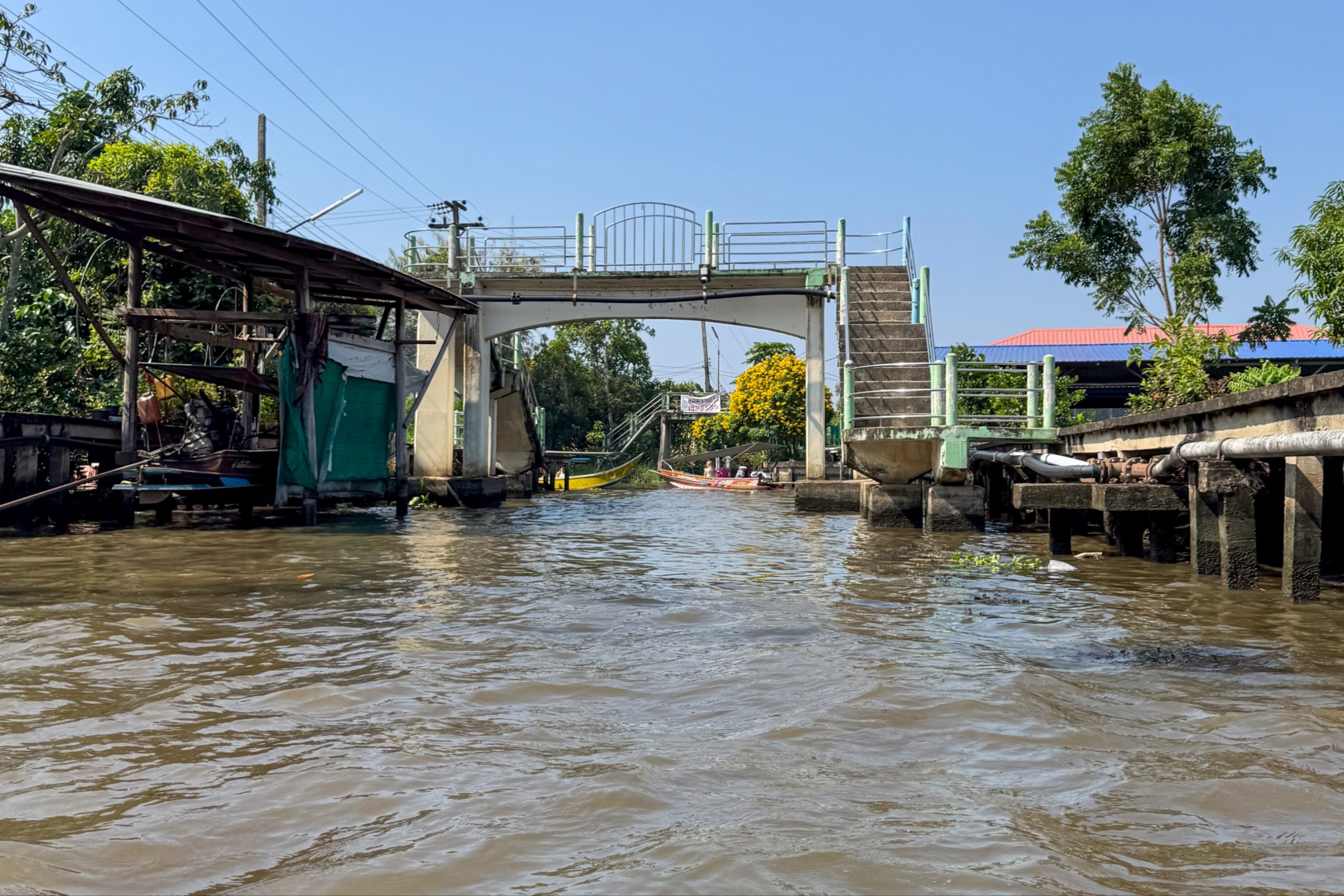
Floods destroy homes, wash away crops, contaminate water sources and break roads, isolating entire communities from markets and services, and each monsoon, millions of Bangladeshis are left to pick up the pieces. If you live in the northeast of Bangladesh, you can get government money to help you recover through FREAP, the Flood Reconstruction Emergency Assistance Project. Here’s everything you need to know about what it covers, who’s eligible and how to access support.
What is FREAP?
FREAP, or the Flood Reconstruction Emergency Assistance Project, is a government-led reconstruction program supported by a $230 million emergency assistance loan approved by the Asian Development Bank (ADB) in March 2023. The program aims to support Bangladesh’s rehabilitation and reconstruction activities in heavily flood-affected districts in the May-June 2022 floods, which affected 7.2 million people in the northeastern Haor region.
The project responds to the post-flood recovery needs in four severely affected sectors in nine north-eastern districts of Bangladesh, identified through the Post-Disaster Needs Assessment (PDNA). This is not a cash handout programme but a large-scale infrastructure and livelihood reconstruction effort undertaken through five government implementing agencies.
What Districts are covered?
FREAP covers nine districts in the northeast, including Brahmanbaria, Habiganj, Kishoreganj, Moulvibazar, Mymensingh, Netrokona, Sherpur, Sunamganj and Sylhet.
If you live in any of these counties and sustained damage from the 2022 or later floods, you are in the project’s target geography. Apart from these nine districts, residents and farmers have to approach other government channels like the Department of Disaster Management (DDM) or the Ministry of Disaster Management and Relief (MoDMR) for help.
But what does FREAP actually cover?
FREAP support is provided by five implementing agencies, within four reconstruction sectors:
Roads and Transport (LGED and Bangladesh Railways): Repair of rural roads, bridges, culverts and railway infrastructure that have been damaged or rendered impassable by flooding.
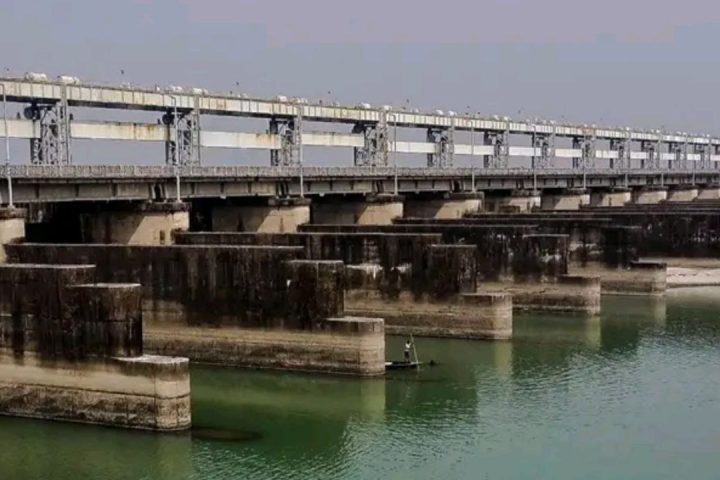
Water Infrastructure (BWDB): Rehabilitation of river embankments, submersible embankments with cement concrete armouring, river protection works, flood control embankments, and irrigation regulators – vital to protect farmland and rural communities from repeat flooding.
Safe Water and Sanitation (DPHE): Repair of tube-wells, latrines and community water points damaged by flood water. Floods badly damaged latrines and tube-wells, putting affected communities – especially women and girls – at high risk of health problems from the use of unsanitary water and open defecation.
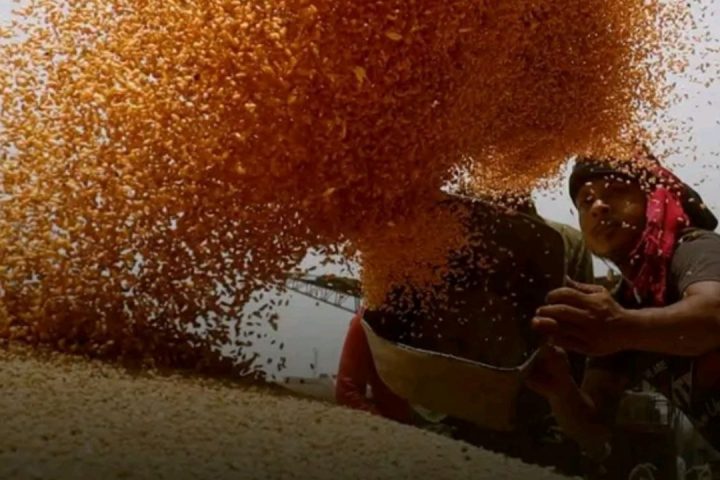
Agriculture and Livelihoods (DAE): The Department of Agricultural Extension (DAE) is providing agricultural transformation support throughout the project, including training about 200,000 farmers on resilient crop varieties, modern agricultural technology, and improvement of agriculture value chains, including crops and fisheries – directly addressing food security, nutrition, employment and rural livelihoods in the Haor region.
How To Obtain FREAP Assistance:
There is no direct civilian application portal for FREAP. The implementing government departments are reaching the flood-affected people with help. How to survive it:
- Step 1: Contact your Upazila Office Visit the nearest Upazila Parishad or the sub-district field office of the relevant implementing agency (DAE for farmers, DPHE for water and sanitation, LGED for roads). Give details of what was affected – crops, tube-well, latrine, access road. Register your damage claim personally.
- Step 2 — Damage Assessment Officials of the Department of Agricultural Extension, DAE or DPHE said damage assessments are made after the floodwaters subside and the needed support is identified and provided to the affected farmers. Please confirm your availability during this assessment window and take photographs of your losses if possible.
- Step 3 — Input Support Enrolment (Farmers) Training DAE’s field offices at the sub-district level are training farmers on modern crops and agricultural technology. FREAP enrols farmers in these sessions, so they get seed inputs, solar irrigation support and technical advisory – not through a separate grant application.
- Step 4 – Contact the District Commissioner For housing or other livelihood losses not covered by the sector specific agencies, send a written application to the Deputy Commissioner of your district indicating the nature and extent of your damage. It triggers the government’s D-form damage assessment process to determine relief.
- Step 5 — Cash Anticipation Support (WFP and UN) The country has a cash programme in anticipation, along with FREAP. Families at higher risk of flooding received BDT 5,000 direct transfers under the WFP Anticipatory Action Programme – prior to the floodwaters reaching their peak so they could buy food and other essentials and protect their homes. Vulnerability lists are prepared at the Upazila level to ascertain eligibility.
Discover More Stories Worth Your Time
Explore Why QR Verification Matters?
Discover why digital verification is now mandatory for all bank statements and visa processing.
Check How To Apply Visa?
Explore the complete Indian e-Visa and e-Arrival card process for May 2026 applicants.
Explore How Farmers Get Subsidies?
Discover how the new Farmers’ Card delivers fertiliser, seed, and pesticide support directly at dealer shops.
Check Who Qualifies For Allowance?
Explore eligibility rules and application steps for the new Tk 2,500 family support scheme.
Find Which Learning Plan Fits?
Discover what you get with Shikho, 10 Minute School, and Interactive Cares subscriptions.
Key Contacts & Agency
Ministry of Disaster Management & Relief (MoDMR) : www.modmr.gov.bd
- Department of Disaster Management (DDM) Relief Registration Call your district DDM office
- Department of Agricultural Extension (DAE). Crop Damage Assessment: Go to Upazila Agriculture Office
- Department of Public Health Engineering (DPHE): 7. For claims on restoration of tube-well and sanitation
- LGED District Office: for road connectivity damage in the FREAP-covered districts
Conclusion
The 2022 floods affected 7.2 million people in north-eastern Bangladesh, including 3.6 million women and girls. FREAP is the government’s most formal, large-scale response to that disaster — but its benefits flow to communities through government agencies and local offices, not a centralised online application. “The first, most important step for the families affected by the floods in the nine covered districts is to know which agency is responsible for which sector. In the areas outside the FREAP zone, the Ministry of Disaster Management and Relief and UN-backed anticipatory action programmes are the primary channels for financial assistance after flood damage.
Summary: FREAP is Bangladesh’s ADB-funded $230M flood reconstruction project covering nine northeast districts. This guide explains who qualifies, which agencies deliver assistance, and how flood-affected families and farmers can access relief support.