Bangladesh’s national fish, the hilsa, is safeguarded by a series of seasonal bans on fishing to protect the breeding stock and ensure the future supply of the country’s most important catch. For consumers, these bans are not just fisheries policy; they directly impact what is available in the marketplace, at what cost, and whether the fish for sale is even legal. Knowing when these bans take effect, what the penalties will be for violators, and how they affect the dinner table can help buyers make informed purchasing choices and avoid supporting illegal trade.
Main Ban Periods
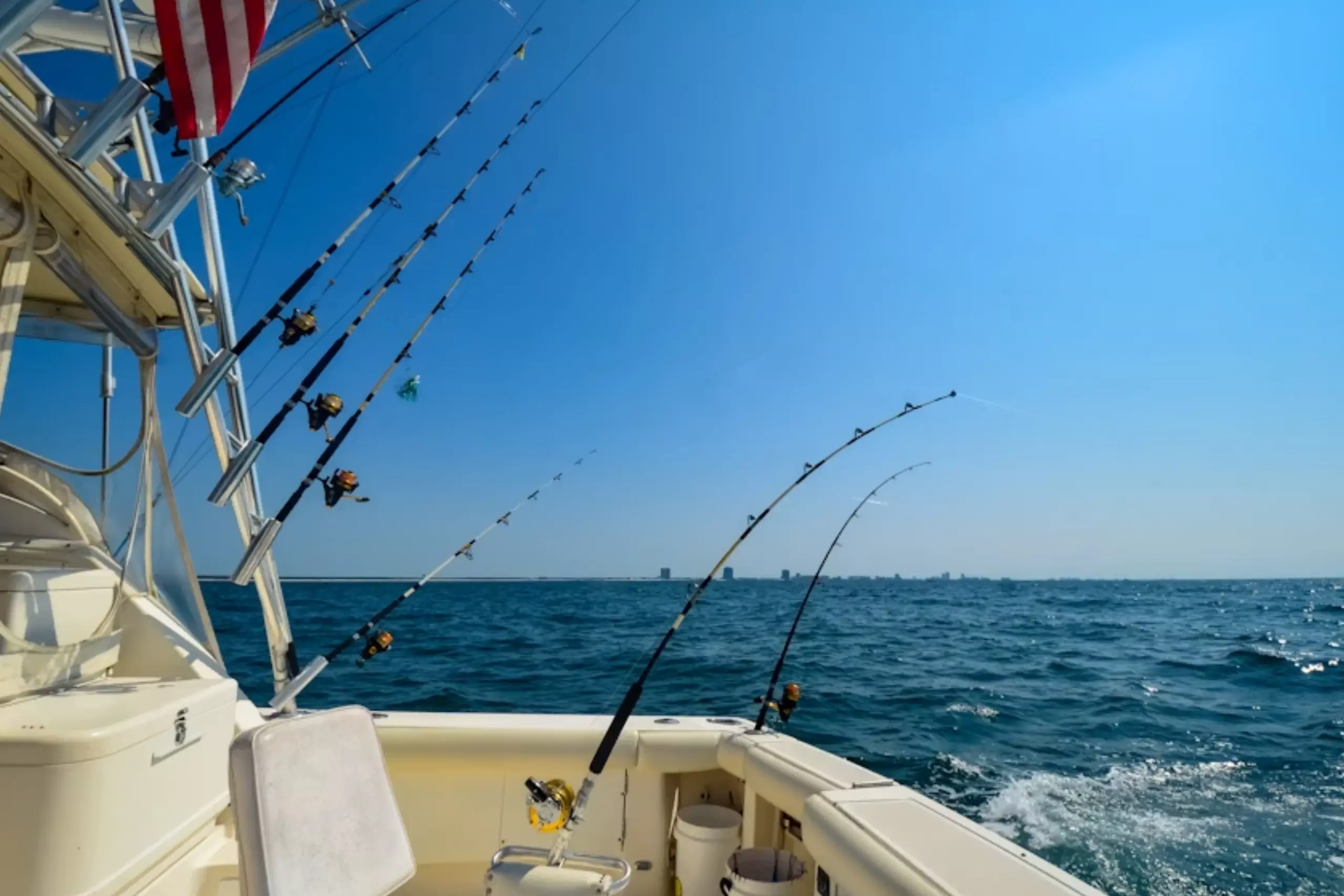
There is no national freeze in Bangladesh, but rather several overlapping restrictions. The most closely watched is the 22-day breeding season ban, which usually takes place in the second half of the year – the last one was from 4 October to 25 October, during which catching, transporting, storing, marketing, buying, selling or exchanging of hilsa and all other species in marine fishing zones is prohibited. The timing of this window is to protect hilsa when mature fish migrate into rivers to spawn during peak breeding season.
There is another longer restriction which relates to the Bay of Bengal more generally. A 58-day fishing ban has been imposed from April 15 to June 11, under which all kinds of fishing in the sea, including hilsa and other marine species, are banned.
Add to these several river-specific jatka (juvenile hilsa) conservation bans popping up every spring. In Chandpur, a two-month ban on all types of fishing in the Padma-Meghna rivers from March into April, with the sale, purchase, transport and storage of hilsa strictly prohibited. A similar ban has been imposed from March 1 to April 30 on the Meghna, Kalabadar and Gojaria rivers in Barishal and Bhola districts.
Penalties for breaking the ban
There is serious enforcement. Violators of the seasonal fishing bans may face up to two years in jail or a Tk 5 lakh fine or both under Bangladesh’s fisheries conservation laws. District task forces and mobile courts, supported by the navy, coast guard and local police, are carrying out the crackdown on the ground, with operations continuing throughout the bans.
Help for fishing communities
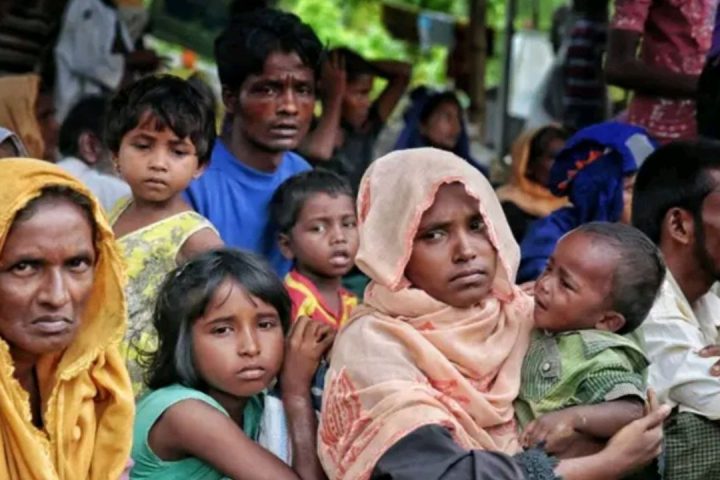
The government gives out rice under the Vulnerable Group Feeding programme to make up for lost income. During the 22-day breeding ban, the government gives each fishing household 25kg of rice. Under the longer 58-day marine ban, aid increases, with registered fishermen in some districts receiving 77kg of rice per household – although delays in delivery are a recurring complaint from fishing communities.
Why consumers should care
These bans explain the seasonal price swings and low availability that consumers observe at the fish markets. Any fish caught, stored or sold during an active ban is illegal, so offering Hilsa during these windows carries legal risk for sellers and raises questions about where it came from. The bans are working beyond the immediate market effect. Research shows their conservation value directly. The 2024 ban ensured the safe spawning of more than half of the brood hilsa, boosting the population by an estimated tens of billions of juvenile hilsa — a stock that eventually reaches the consumer’s plate in future seasons. Meanwhile, hilsa catches are still down by almost 10 per cent over the last five years, highlighting why sustained compliance is important for long-term availability and affordability.
Discover More Stories Worth Your Time
Want to Build Your Leadership Skills?
Explore BYLC programs, eligibility, and career benefits.
What Challenges Are Facing Bangladesh’s Garment Sector?Understand the key challenges and future of Bangladesh’s apparel sector.
Planning to Join Gold’s Gym Dhaka?
Check membership fees, timings, and available fitness facilities.
Measles vs Chickenpox: What’s the Difference?
Learn the symptoms, differences, and when to see a doctor.
Can Gen Z Save Theatre?
See how young audiences are shaping Bangladesh’s theatre future.
FAQs
Is it illegal to buy hilsa during the ban period?
Yes. The active ban period is the period when catching, transporting, storing, marketing, buying and selling hilsa are all banned. So any hilsa sold in such periods is being traded illegally.
How many ban periods of hilsa are there in a year?
There’s more than one. Bangladesh has a 22-day nationwide breeding ban, a separate 58-day marine ban in the Bay of Bengal and other river-specific jatka conservation bans in districts such as Chandpur, Barishal and Bhola.
What is the consequence if someone violates the ban?
Violators could face up to two years in prison, a fine of up to Tk 5 lakh or both, with enforcement through mobile courts and monitoring by the navy, coast guard and local law enforcement.
Summary
Bangladesh enforces multiple hilsa fishing bans yearly to protect breeding stock. This guide covers exact dates, legal penalties for violators, and why these restrictions directly affect fish prices and availability for consumers.