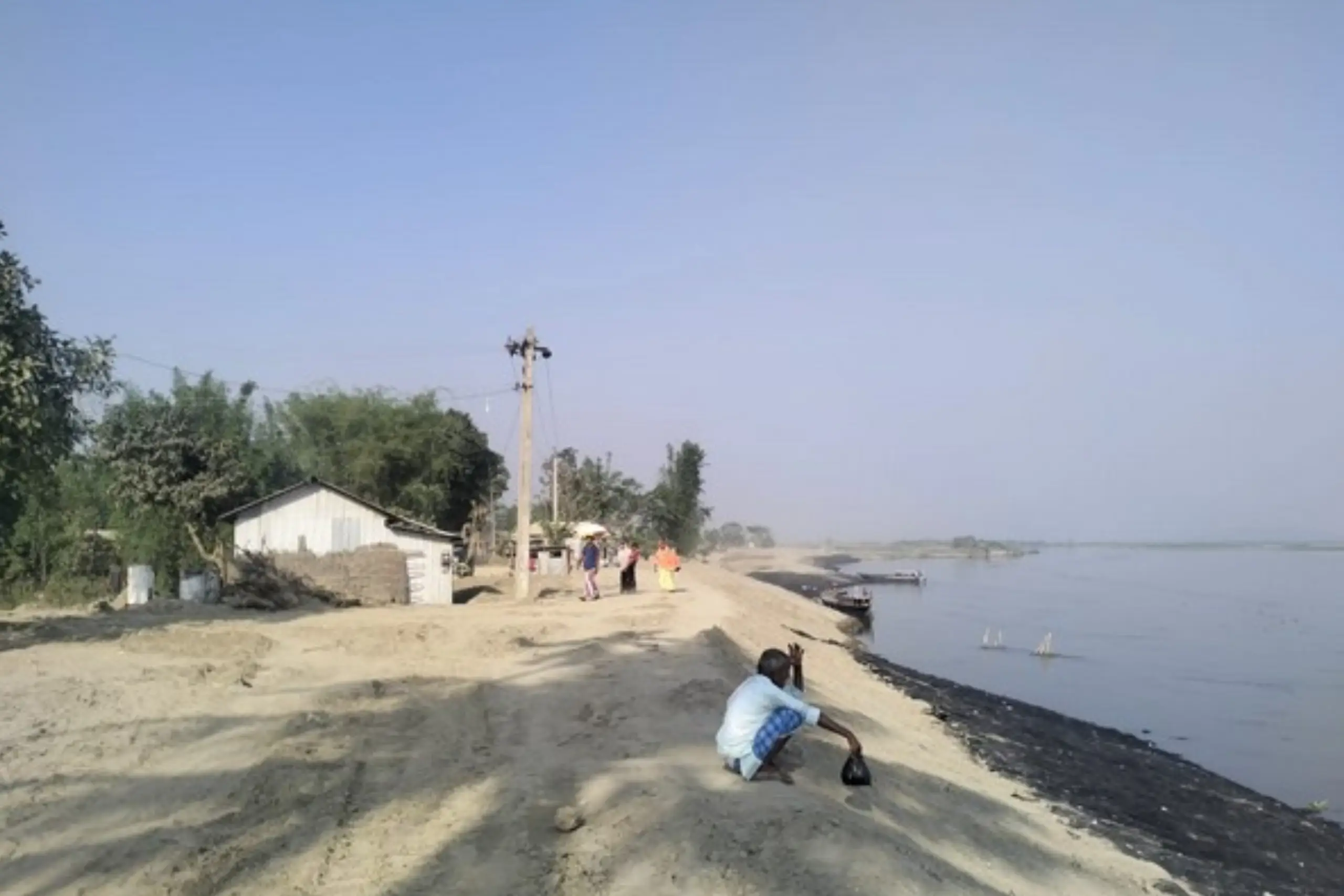
Each year, Kurigram, a border district in northern Bangladesh, experiences the same painful story. The Brahmaputra river eats up its banks, swallowing houses, fields and roads. This year, erosion in Kurigram has again driven families from their villages, and local officials say the situation is deteriorating due to climate change and heavy upstream water flow from India.
Why Kurigram Is So Vulnerable
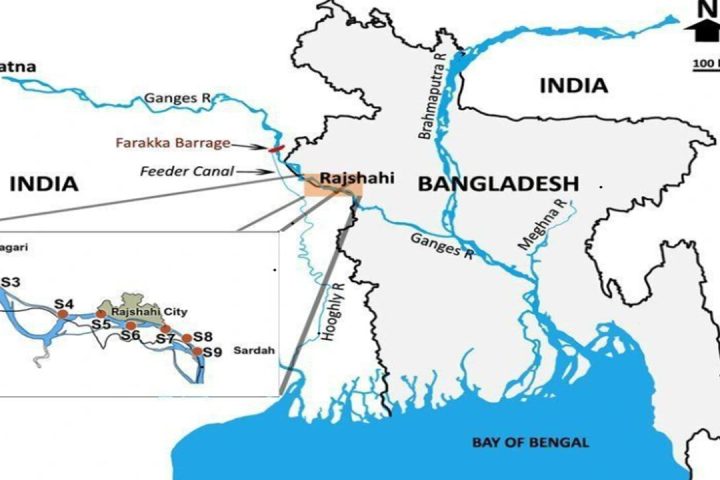
Kurigram is at the confluence of 16 rivers, including Brahmaputra, Teesta, Dharla and Dudhkumar. Every year, monsoon floods and erosion destroy homesteads, farmland, schools and roads in the district, forcing hundreds of families off their land and to relocate, sometimes again and again. Experts say the river itself has become unusually unstable. The banks of the Brahmaputra are eroding at an average rate of 50 metres every year, destroying homes, farmland and infrastructure.
What’s Going On Right Now
Recent reports indicate that as floodwaters recede, erosion has intensified again along the Teesta and Dharla rivers. It swept away parts of at least four homes, and more than 50 families and large stretches of farmland are still in danger. In one instance, the Bangladesh Water Development Board (BWDB) had placed thousands of geobags to protect the riverbank, but the barrier failed to resist the intensity of the erosion.
Many residents speak of losing their homes not once, but multiple times in their lifetime. Some families say they have rebuilt five or six times, only to see it washed away again by the river.
The Human Toll
Erosion is not just about stealing a house. It takes away land, income and stability. Families are often found living on embankments, in schools or in temporary shelters without any clear plan for the future. Many young people from these char areas leave their ageing parents and broken homes behind in search of work in cities like Dhaka, Gazipur and Chattogram.
Government Response and Next Steps
A new project has been proposed to protect a stretch of riverbank across Ulipur, Roumari and Rajibpur upazilas. The plan is proposed to run from January 2026 to June 2029 and has been sent to the Ministry of Water Resources and the Planning Commission but is yet to get final approval. Affected families mostly depend on relief support and arrangement of temporary shelter by local authorities until permanent embankments and dredging work is initiated.
What to Do for Families Affected or At-Risk
•Look for cracks or movement of soil along riverbanks, especially after rain
•If you see any erosion risk, inform the local Union Parishad office at once.
•Apply to the upazila administration for getting listed for relief and rehabilitation
•Put important documents (land papers, NID card) in a waterproof pouch, ready to take them with you
•When warned, do not wait; move early to designated shelters or higher ground
•Look for cash relief or aid disbursed through bKash or Nagad, which are now used by some government programmes for faster delivery.
Inquire about Bangladesh Bank refinancing schemes for small borrowers affected by flood and erosion, accessible through local bank branches.
Why This Matters for More Than Just Kurigram
The erosion crisis in Kurigram is a foretaste of the consequences of climate change in river-dependent Bangladesh. The rivers in the north are turning aggressive due to rising and erratic rainfall, the melting of glaciers in the upstream and unpredictable release of water from neighbouring India. What happens in Kurigram today can decide food prices, migration patterns and district budgets tomorrow.
Conclusion
The Brahmaputra will keep shifting course, that’s its nature. But whether erosion is a disaster or just a manageable hardship can depend on how ready families and local governments are. If you are living on the river bank in Kurigram or such a char area, don’t wait for the water to reach your door. Register early, be vigilant in the monsoon, use all relief channels available. Kurigram families have rebuilt their homes many times over; now the aim has to be to help them build somewhere safe, for good.
FAQs
1. Why is Kurigram susceptible to river erosion?
Kurigram lies on a number of large rivers, including the very unstable Brahmaputra, which changes course and erodes its banks heavily every year, especially during and after the monsoon.
2. What assistance is offered to families displaced by erosion?
Local upazila administrations are providing food relief, and affected families are being added to rehabilitation lists. Some support is also being delivered faster through mobile financial services like bKash and Nagad.
3. Is there a permanent fix in the works?
Yes. A project to protect the riverbank for parts of Ulipur, Roumari and Rajibpur upazilas has been proposed for 2026-2029, but the government has not yet given final approval to get it underway.
Summary
Kurigram district is on high alert as the Brahmaputra river continues to erode its banks, washing away homes, farmland, and schools. This article explains why the erosion is worsening, who is affected, and what support is available for displaced families.