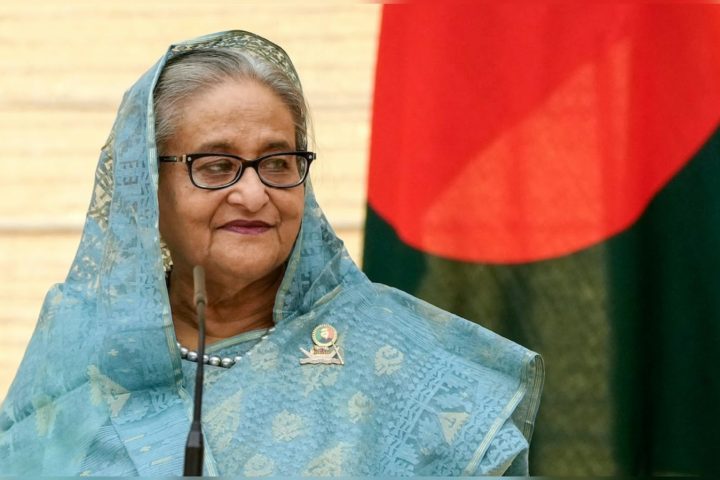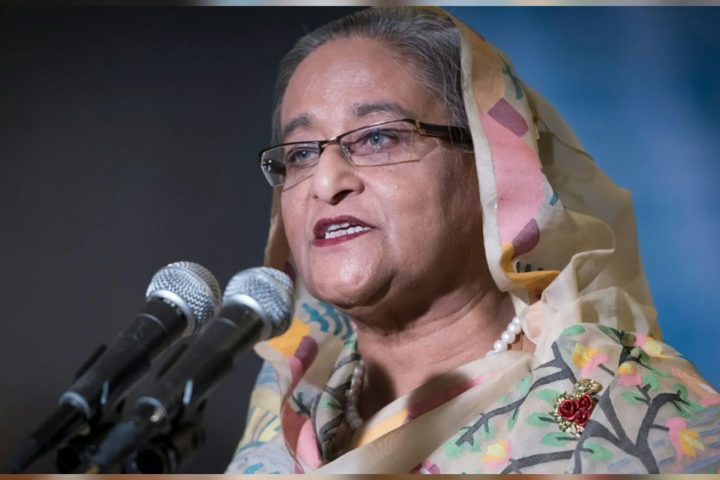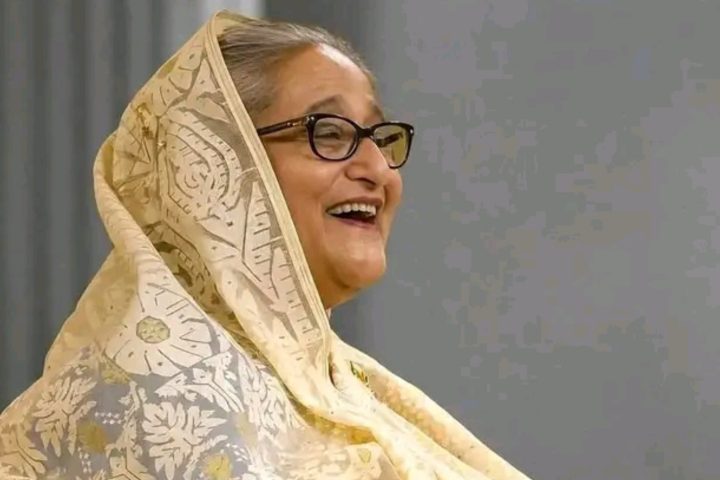

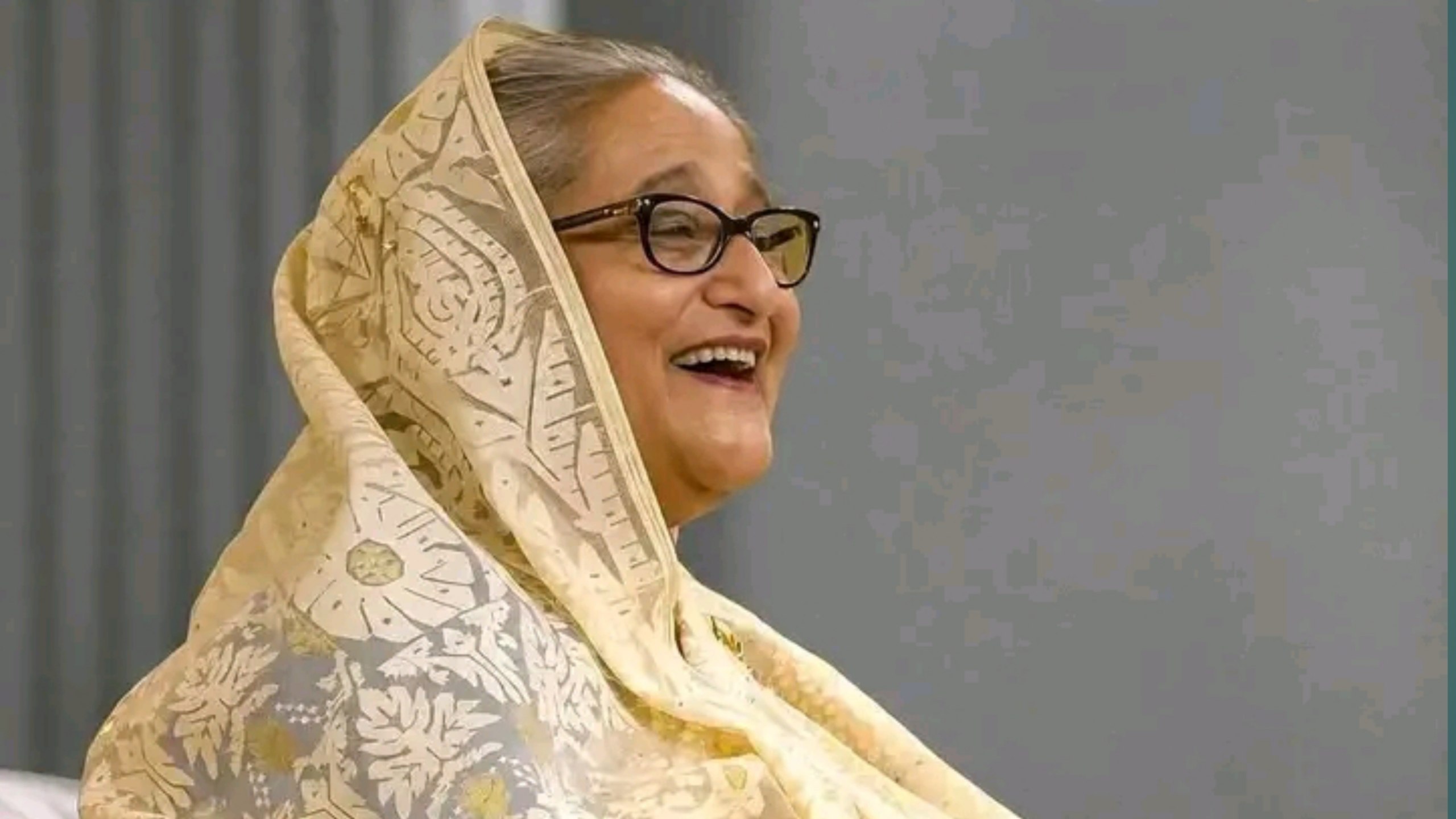
Sheikh Hasina, the ousted Bangladeshi leader who has lived in exile in India since August 2024, has issued one of her most defiant public statements yet, telling Kyodo News she is prepared to return home and stand before the court despite the possibility of imprisonment or execution.
A Defiant Stand
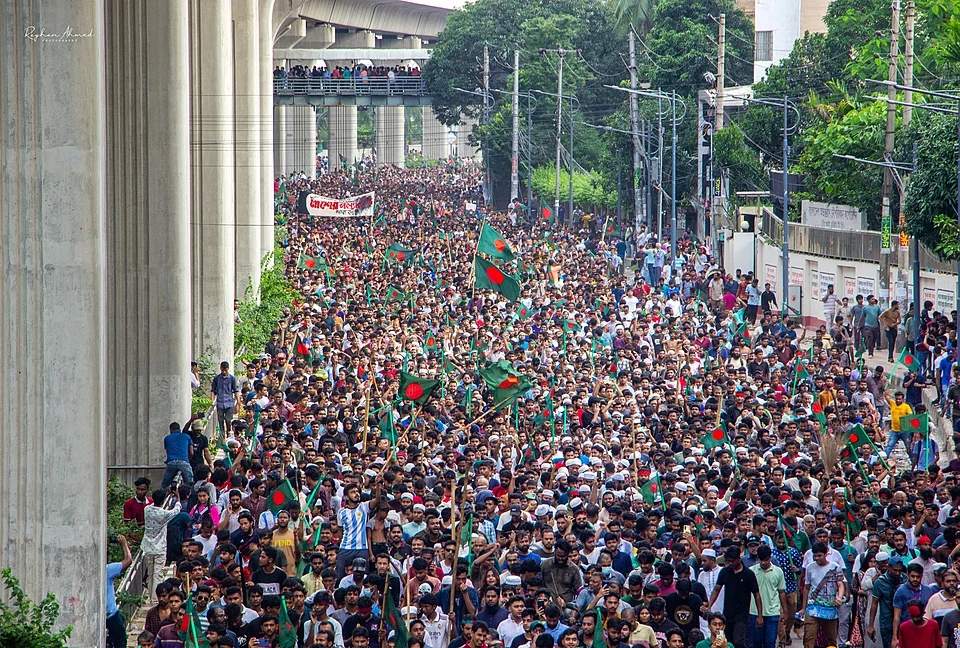
“I will return to Bangladesh. I will appear before the court,” Hasina said, rejecting the legitimacy of the convictions handed down against her by Bangladesh’s judiciary. She dismissed the proceedings as politically motivated and called for an independent forensic investigation into the violence that erupted during the student-led uprising that ultimately toppled her government, insisting that the truth can still be uncovered.
The Charges She Faces
Hasina’s remarks come months after Bangladesh’s International Crimes Tribunal sentenced her to death for crimes against humanity, having found that she ordered a deadly crackdown on the 2024 protests that left hundreds dead. Just over a week later, a separate court sentenced her to 21 years in prison on corruption charges tied to land allocations, with the presiding judge citing a pattern of entitlement and unchecked power. Hasina has also been charged in multiple additional cases, including several linked to irregularities in a major housing project, alongside dozens of co-accused.
Rejecting the Narrative
Throughout her exile, Hasina has consistently refused to apologize for the crackdown, maintaining that she never ordered police to fire on demonstrators. She has previously described Bangladesh’s tribunal as a sham court run by an unelected government stacked with her political opponents, arguing the trials amount to vengeance rather than justice. Her latest comments to Kyodo extend that argument, framing her willingness to return and face court as proof that she has nothing to hide from a genuinely independent process.
Discover More Stories Worth Your Time
Why Is a Third Language Becoming Mandatory from Class 6?
Understand what the new curriculum means for students and parents.
Which Freelancing Skills Can You Learn for Free on YouTube?
Discover beginner-friendly skills that can help you earn in dollars.
How Can You Claim Structural Damage Insurance in Bangladesh?
Learn the steps, required documents, and claim process after property damage.
Why Does Dhaka’s Traffic Get Worse During the Monsoon?
Discover the main causes behind the city’s growing rainy-season congestion.
Is the Sundarbans Worth Visiting During the Monsoon?
Explore what to expect, travel tips, and whether it’s the right season to visit.
A Call for Democracy
Beyond her own legal battle, Hasina used the interview to make a broader appeal about Bangladesh’s political future. She warned that the country’s path forward depends on restoring democracy, ensuring due process, and allowing citizens to determine their future through free political participation, a pointed message aimed at the interim government led by Muhammad Yunus, which she and her Awami League have accused of blocking their return to electoral politics.
The India Question
Hasina’s continued residence in India remains one of the most contentious issues in Bangladesh-India relations. Dhaka has formally requested her extradition under the two countries’ bilateral treaty, with officials warning that a refusal by New Delhi would constitute a treaty violation and vowing to pursue international support if necessary. India has yet to act on the request, leaving the matter unresolved and a persistent source of diplomatic friction between the two neighbors. With a death sentence, a decades-long prison term, and numerous corruption cases hanging over her, Hasina’s declared willingness to return to Bangladesh sets up a high-stakes test of the country’s judicial and political system. Whether she follows through, and how Dhaka and New Delhi navigate the extradition standoff in the meantime, will likely shape Bangladesh’s political trajectory and the fate of its exiled former leader in the months ahead.
Summary: Former Bangladesh Prime Minister Sheikh Hasina has declared her intent to return to Bangladesh and face trial, even as she risks imprisonment or execution under convictions she calls politically driven. In an interview with Kyodo News, she called for an independent forensic investigation into last year’s deadly unrest and urged the restoration of democracy, due process, and free political participation in her country.