Bangladesh has long been regarded as one of the most climate-vulnerable countries in the world, with some two-thirds of its territory less than 15 feet above sea level, and some 80 per cent classified as floodplain.
What gets far less attention is the fact that the same low-lying, densely populated delta is sitting right on top of one of the most tectonically active junctions on Earth, where the Indian, Eurasian and Burma plates converge. Each danger is serious in itself. Taken together, the combination could swamp the country’s ability to respond, experts warn.
A coast already in retreat
For Bangladesh, sea level rise is not a future projection. The Intergovernmental Panel on Climate Change has predicted that global sea levels could rise up to two meters by 2100. Modelling on Bangladesh’s 720-kilometre Bay of Bengal coastline suggests that thousands of square kilometres of land could eventually be submerged, displacing millions of residents from coastal districts.
Storm tides are getting stronger, too. Research suggests that what is now a rare, once-in-a-century flood event could become dramatically more common as warming continues. Earlier government estimates suggest that nearly 90 million Bangladeshis already live in areas highly exposed to climate hazards, and coastal embankments built decades ago are increasingly failing to hold back encroaching water.
An Increasingly Pressurised Seismic Zone
But beneath this disappearing coastline lies a distinct and largely unseen threat. Geologists say Bangladesh is at a very high risk as it sits at the confluence of the Dauki Fault near Sylhet, the Chattogram-Arakan Fault running along the Chattogram-Teknaf belt and the Sagaing Fault of Myanmar.
Seismologists have identified the Sylhet to Chattogram corridor as a locked subduction zone where tectonic strain has been building up for centuries without a significant release, with some studies indicating it contains enough pent-up energy to cause an earthquake of magnitude 8.2 to 9.0. A megathrust fault stretching from Sylhet to Teknaf, where it is believed that energy has remained unreleased for almost a millennium, also raised similar concerns in a 2016 study by Columbia University.
More than 200 earthquakes have hit Bangladesh in the last century, and experts say tremor activity has increased since 2024, including quakes near Narsingdi that killed several people and damaged buildings.
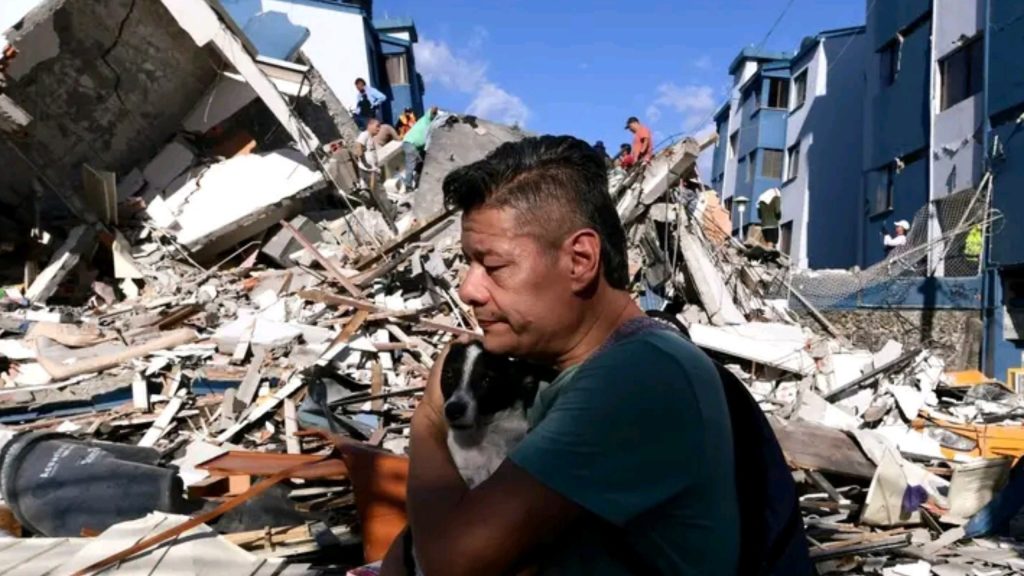
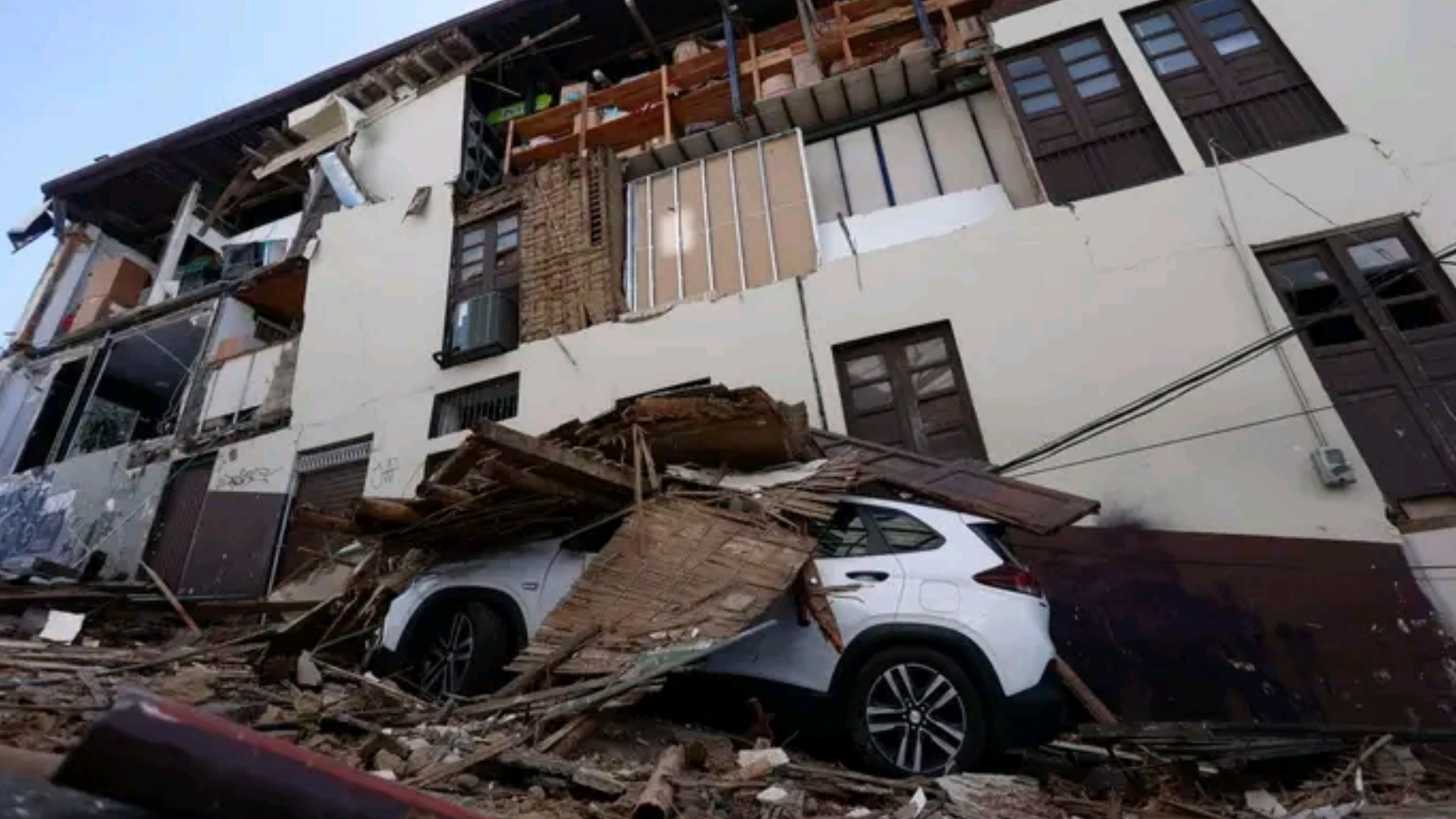
Such danger is ever present, as demonstrated by the earthquake of 21 November 2025 (ML 5.7) near Narsingdi, only 40 kilometres northeast of Dhaka at a depth of 27 kilometers. The earthquake was the deadliest to strike Bangladesh in more than two decades, lasting 26 seconds and felt across much of the country, leaving 10 people dead and more than 620 injured. The quake damaged hospitals, caused brick buildings to collapse and tilted several buildings in Old Dhaka and Gazipur, showing the capital’s acute vulnerability to seismic hazards.
Why The Two Risks Compound Each Other
Rising seas and shifting fault lines both can cause destruction on a giant scale. Together they amplify the peril in ways that make Bangladesh particularly vulnerable. A large earthquake in a coastal or deltaic area already weakened by land subsidence and saltwater intrusion could destroy flood barriers and levees when they are most needed.
Soil in low-lying, waterlogged areas is also more prone to liquefaction during strong shaking, a process where saturated ground temporarily behaves like liquid, a risk that is heightened as sea level rise pushes groundwater closer to the surface across much of the country.
There is also the rapid, often unregulated urbanisation of Bangladesh, especially in Dhaka, where high population density, weak enforcement of building codes and narrow road networks already make disaster response more difficult even without a seismic trigger.
Discover More Stories Worth Your Time
Explore How SSC Exams Began?
Discover how nearly 19 lakh students are participating nationwide in the 2026 SSC exams.
Check Why UV Index Dangerous?
Explore why today’s UV level has reached extreme risk across Bangladesh.
See How Business Setup Easier?
Discover how the new investment agency merger simplifies starting a business.
Find Why Truck Fares Jumped?
Explore what’s driving the sudden Tk 10,000 increase in Chittagong logistics costs.
Learn Which Bangla Songs Trending?
Discover the fresh modern Bengal tracks gaining popularity this month.
What Experts Say Warns Us About
Specialists who study both hazards say Bangladesh cannot put climate adaptation and earthquake preparedness in separate policy tracks. Recent forums on seismic safety in Dhaka have demanded structural audits of existing buildings, stricter enforcement of earthquake-resistant construction codes, early warning systems, and regular public preparedness drills, along with continued investment in coastal embankments and flood-resilient infrastructure.
Others have cautioned against panic, saying that no major fault line has been located directly beneath Dhaka itself and that not every tremor means disaster is imminent. But seismologists and climate scientists agree that the risk is not static but growing, and a country already struggling with one of the world’s heaviest climate burdens can ill afford to ignore the geologic load beneath it.
Summary: Bangladesh sits on sinking, flood-prone land and three active tectonic plates at once. Experts warn that rising seas and a “locked” seismic zone from Sylhet to Chattogram together create a compounding disaster risk few countries face.