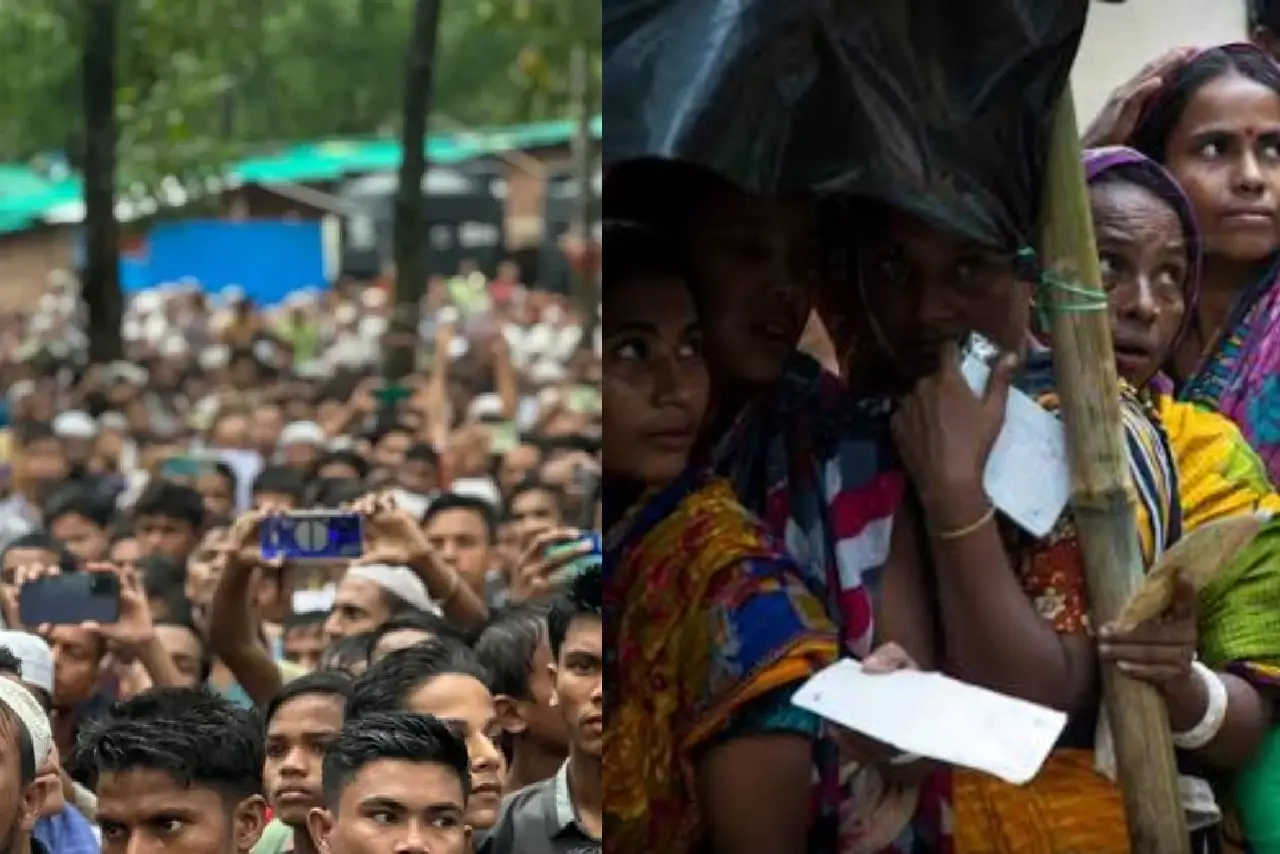
Nearly three million Rohingya remain in exile, most of them confined to camps in Bangladesh, which has sheltered the community for decades. But a smaller, scattered population now living in Australia, Europe, and North America is quietly rewriting what displacement looks like in the digital age.
Cut off from a homeland that denies them citizenship, this overseas diaspora has turned to social media, YouTube channels, and online advocacy networks to keep the Rohingya crisis visible long after global attention has moved on.
Building Community Without a Homeland
For a stateless people, the internet has become something close to a substitute for territory. Facebook groups such as Rohingya Community in Australia and Burmese Rohingya Community in Australia have drawn thousands of followers, functioning as informal town squares where members organize events, share news from the camps, and preserve cultural and linguistic identity that has no formal home to anchor it to.
Researchers studying this phenomenon describe it as the formation of an “imagined community,” one built not around land but around shared memory, language, and resistance.
From Hashtags to International Courts
The diaspora’s digital organizing has not stayed confined to social feeds. When more than a hundred Rohingya activists gathered outside the International Court of Justice in The Hague to press for accountability over the Rakhine state crackdown, much of the mobilization behind that protest was coordinated online.
Platforms like X, formerly known as Twitter, have become tools for what researchers call human security advocacy, allowing displaced individuals and diaspora members to document abuses, demand recognition, and pressure international institutions in ways that were far harder to achieve before mass connectivity.
Media Made by the Community, For the Community
Alongside grassroots organising, the diaspora has also built its own media infrastructure. YouTube-based outlets such as Rohingya Vision and Rohingya TV produce news and commentary in the community’s own language, bypassing mainstream outlets that often flatten the crisis into brief, decontextualised headlines.
Some projects go further still, including efforts to have the Rohingya script formally recognised by the Unicode Consortium and initiatives exploring blockchain-based identity records for undocumented Rohingya, a response to decades of being denied official paperwork by the Myanmar state.
Identity, Reclaimed Online
For many in the diaspora, digital spaces serve a purpose beyond activism. Academic interviews with displaced Rohingya in cities like Brisbane describe online platforms as places to reclaim a sense of self that displacement and statelessness have repeatedly stripped away.
Being labelled a refugee, an asylum seeker, or simply stateless carries its own weight, and digital community building has become a way to push back against that framing, asserting a coherent Rohingya identity on their own terms rather than through the lens of a host country’s immigration system.
Discover More Stories Worth Your Time
Explore How To Buy Match Tickets?
Discover the easiest steps to secure cricket match tickets in Bangladesh.
Check Where Monsoon Travel Works?
Explore the best places to visit and areas to avoid during Bangladesh’s rainy season.
See Why India Visit Uncertain?
Discover how the Hasina extradition and Hadi murder case could affect Tarique Rahman’s India trip.
Find What Story Comes Next?
Explore what Tanim Noor may bring after Utsab and Bonolota Express.
Learn Why Saudi Invitation Matters?
Discover what the Saudi Crown Prince’s invitation could mean for Tarique Rahman’s upcoming visit.
The Limits of Visibility
Even so, this digital footprint has not translated into a resolution on the ground. International interest in the Rohingya crisis has cooled considerably since the peak media attention of 2017, and researchers note that diaspora activism now operates with fewer resources and a shrinking spotlight.
The same platforms that once amplified the community’s voice, Facebook chief among them, have also been criticised for algorithmic failures that arguably worsened the crisis in its early stages, a contradiction the diaspora is acutely aware of even as it continues to rely on those tools.
Why This Matters Now
Back in the camps, the effects of this transnational connection are becoming visible in a new generation. Rohingya adolescents and young adults in Bangladesh, growing up amid dwindling international support and rising tension with host communities, are increasingly engaging with diaspora networks online, a link that researchers say is shaping how the next generation copes with displacement and imagines its future.
The crisis itself remains unresolved, but the way it is being witnessed, narrated, and fought for has fundamentally changed, no longer dependent on foreign correspondents or state media, but sustained instead by a community documenting itself, one post at a time, from thousands of miles away.