Bangladesh’s startup scene looks busier than ever on paper. Thousands of ventures are registering, and government officials talk regularly about building a homegrown tech economy. But the money tells a very different story. Startup funding in the country collapsed by roughly 95 percent year-on-year in the first half of 2026, falling to just $6 million from $120 million in the same period last year, according to research firm LightCastle Partners. The paradox at the heart of Bangladesh’s startup boom is simple: there is no shortage of founders, but there is a chronic shortage of money that sticks around once a company needs to scale.
More Startups, Same Old Bottleneck
Estimates put the number of active startups in Bangladesh at well over a thousand, with more than 200 new ventures reportedly entering the market every year. Since 2013, the country’s startups have collectively raised around $1.1 billion. But that headline number hides a lopsided distribution. Roughly 80 percent of all funding raised since 2013 has gone to late-stage companies, and 98 percent of that late-stage capital came from foreign investors, not domestic ones. Early-stage founders can often scrape together seed money through friends, family, or a small pool of local and diaspora angel investors. What almost never materializes locally is the larger, patient capital needed once a company has to prove it can grow.
Why the Series A Stage Is Where Startups Stall
In venture capital terms, this gap sits squarely between the late-seed and Series A stages, the point at which a startup has to move from proving an idea works to proving it can be built into a real business. It is precisely the stage where Bangladeshi companies have historically struggled most to find domestic institutional backers willing to write a follow-on check. Without that bridge, promising early-stage companies either stall out, get acquired early for modest sums, or become entirely dependent on the small number of international investors willing to take a chance on the market.
A First Attempt at Local Capital
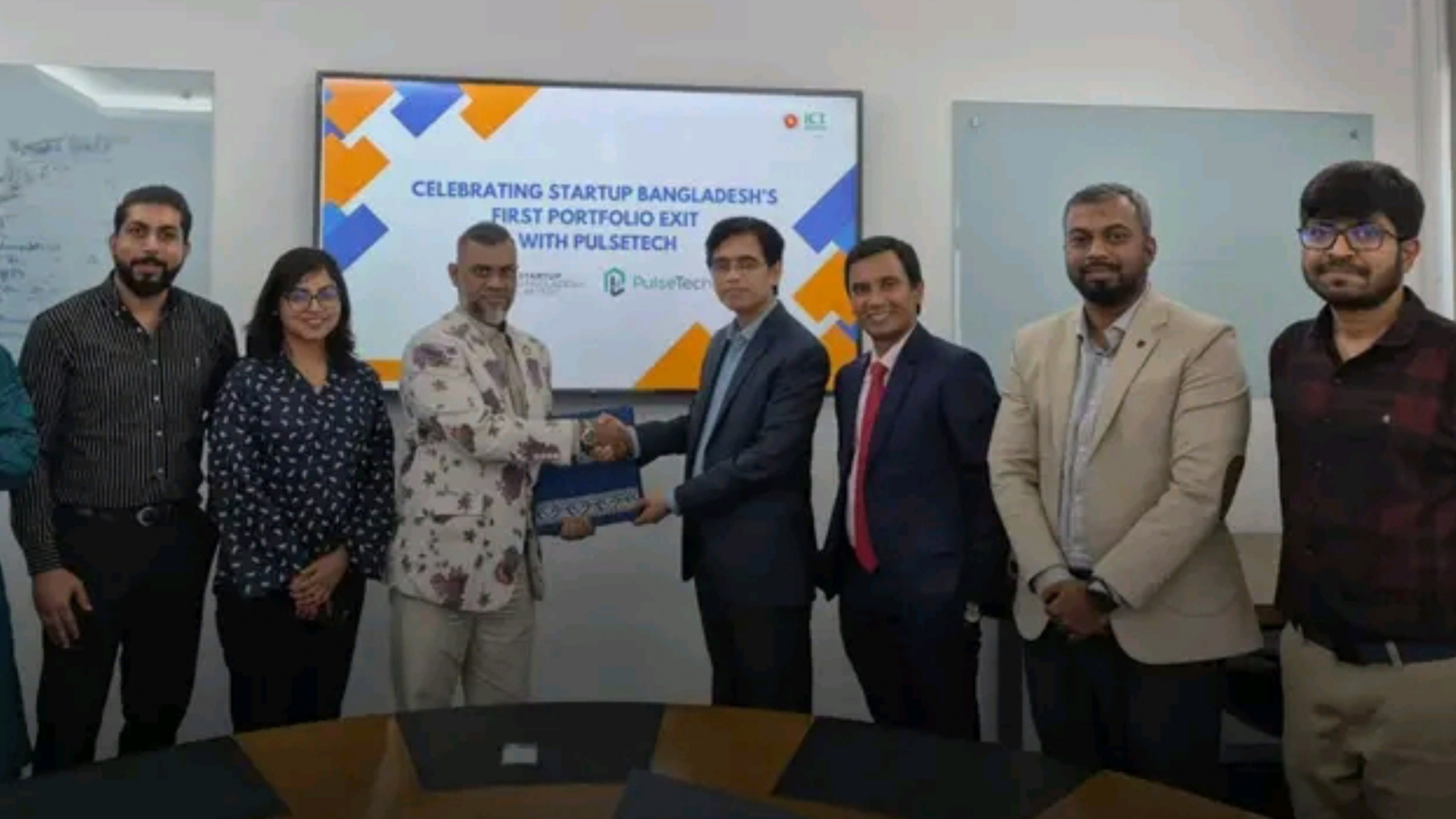
In May, thirty-nine Bangladeshi commercial banks came together to launch the Bangladesh Startup Investment Company, introducing its first fund, Onkur Bangladesh Fund 1, with committed capital of around $35 million. The fund is designed specifically to plug the late-seed to Series A gap, investing through equity, SAFEs, and convertible instruments across sectors including healthcare, agriculture, education, transport, retail, logistics, and small and medium enterprises more broadly. It marks the first serious attempt by domestic financial institutions, rather than foreign funds, to underwrite Bangladeshi startups at the stage where they most need it.
Policy Support Is Catching Up, Slowly
The national budget for the current fiscal year has added further support, offering tax and VAT relief aimed at lowering the cost of running a startup while it raises capital. Registered seed-stage technology companies can now access concessional debt at a 4 per cent interest rate through a Bangladesh Bank refinancing facility, along with relief from turnover tax and VAT on certain operating expenses. These measures did not exist even a year ago, and taken together with BSIC’s launch, they represent the first coordinated attempt to build financing infrastructure around Bangladeshi startups rather than leaving them to find capital wherever they can.
Discover More Stories Worth Your Time
Explore How To Buy Match Tickets?
Discover the easiest steps to secure cricket match tickets in Bangladesh.
Check Where Monsoon Travel Works?
Explore the best places to visit and areas to avoid during Bangladesh’s rainy season.
See Why India Visit Uncertain?
Discover how the Hasina extradition and Hadi murder case could affect Tarique Rahman’s India trip.
Find What Story Comes Next?
Explore what Tanim Noor may bring after Utsab and Bonolota Express.
Learn Why Saudi Invitation Matters?
Discover what the Saudi Crown Prince’s invitation could mean for Tarique Rahman’s upcoming visit.
What Still Needs to Change
Whether any of this closes the gap will depend on execution rather than announcements. Analysts tracking the ecosystem note that fund launches alone do not guarantee deployed capital, and the real test will be how much of BSIC’s committed funding actually reaches companies at the Series A stage over the coming year. For now, Bangladesh’s startup ecosystem remains a story of two very different realities: a founder base that keeps growing, and a capital base that, beyond the earliest checks, still overwhelmingly comes from abroad.
Summary: Bangladesh now has over a thousand active startups, yet funding crashed 95 percent year-on-year to just $6 million in the first half of 2026. The core issue is not a shortage of ideas but a near-total absence of domestic late-stage capital.