For years, cash has ruled Bangladesh’s roadside stalls, tea shops, and neighbourhood grocery stores. That may finally be changing. Since July 1 this year, Bangladesh Bank has made the Bangla QR code system mandatory for all banks, mobile financial service providers, and payment platforms, in a nationwide push to move everyday commerce away from cash.
What Bangla QR Actually Does
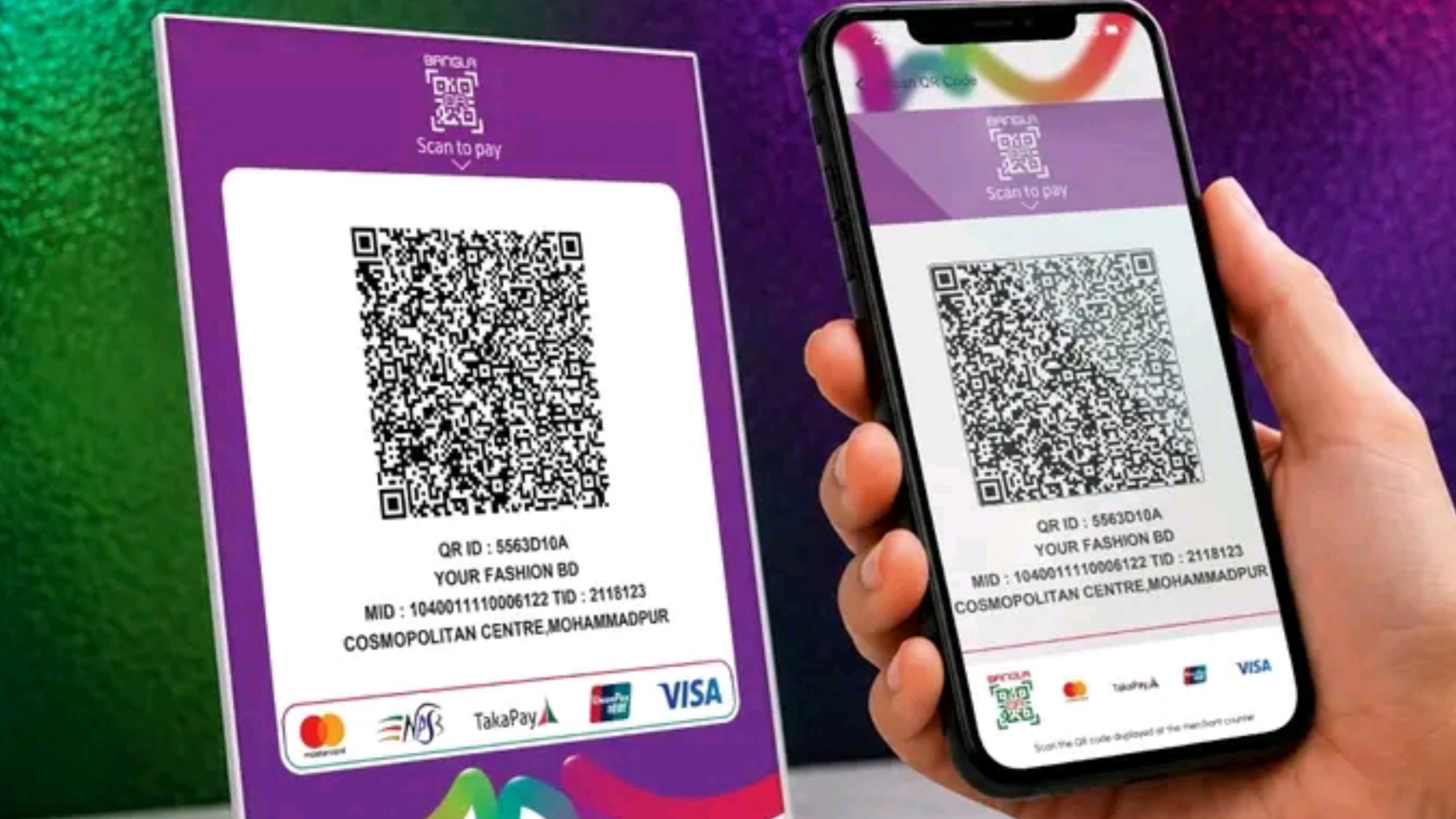
Bangla QR is a single, interoperable QR code that lets customers pay from any participating bank or mobile financial service app, whether that’s bKash, Nagad, or a bank’s own app, without the merchant needing separate codes for each provider.
Payments go directly into the merchant’s account, cutting out the hassle of making change and creating a digital record of every sale. In its first 48 hours after launch, the system reportedly processed over 77,000 transactions worth more than Tk 22 crore, a strong early signal for a country where cash still dominates daily commerce.
Removing the Cost Barrier for Small Vendors
One of the biggest obstacles to adoption has been cost. Small shopkeepers and street vendors were often reluctant to accept digital payments because of transaction charges eating into thin margins.
Bangladesh Bank has now addressed this directly, waiving the Interchange Reimbursement Fee entirely for all Bangla QR transactions, a charge that previously ranged between 0.35 and 0.70 per cent. From October 1, the central bank will also begin offering incentives to banks and payment providers for transactions up to Tk 2,000, effectively subsidising small, everyday purchases to encourage wider use among low-income sellers.
Merchant Onboarding Is Picking Up Pace
Banks and mobile financial service providers have been running outreach campaigns to bring merchants onto the platform. bKash alone has held sessions with around 1,500 merchants across 97 zones nationwide, while Islami Bank Bangladesh reported onboarding over 103,000 Bangla QR merchants as of mid-July, including a single-day record of more than 7,000 new merchants.
Local governments have also been pulled into the effort, with city corporations and municipalities now requiring Bangla QR integration for trade licence issuance and renewal.
The Bigger Comparison
Bangla QR is often compared to India’s UPI, where most merchant transactions carry no direct charges to users. That comparison, while understandable, misses some context. UPI’s near-zero-cost model was built over years through sustained public investment, government subsidies, and enormous transaction volumes, similar to Brazil’s Pix and Pakistan’s Raast. Bangladesh’s digital payment market is still considerably smaller, and experts note that similar scale will take time and continued investment in supporting infrastructure to build out.
Discover More Stories Worth Your Time
Explore How To Buy Match Tickets?
Discover the easiest steps to secure cricket match tickets in Bangladesh.
Check Where Monsoon Travel Works?
Explore the best places to visit and areas to avoid during Bangladesh’s rainy season.
See Why India Visit Uncertain?
Discover how the Hasina extradition and Hadi murder case could affect Tarique Rahman’s India trip.
Find What Story Comes Next?
Explore what Tanim Noor may bring after Utsab and Bonolota Express.
Learn Why Saudi Invitation Matters?
Discover what the Saudi Crown Prince’s invitation could mean for Tarique Rahman’s upcoming visit.
What This Means for Everyday Shoppers and Sellers
For small business owners, the pitch is straightforward: no more running short on change, faster transactions, and a documented sales history that can support access to credit or formal registration down the line.
For customers, it means being able to pay the exact amount owed without needing physical cash, using whichever banking or mobile money app they already have installed. Whether this translates into lasting behaviour change at tea stalls and corner shops across the country will likely depend on how well the fee waivers and onboarding drives reach vendors outside major cities, where cash still remains deeply embedded in daily life.
Summary: Bangladesh Bank has waived merchant fees and made Bangla QR mandatory nationwide, aiming to bring street vendors and small shopkeepers into the cashless economy. Millions of transactions have already gone through, but real adoption still faces hurdles.