
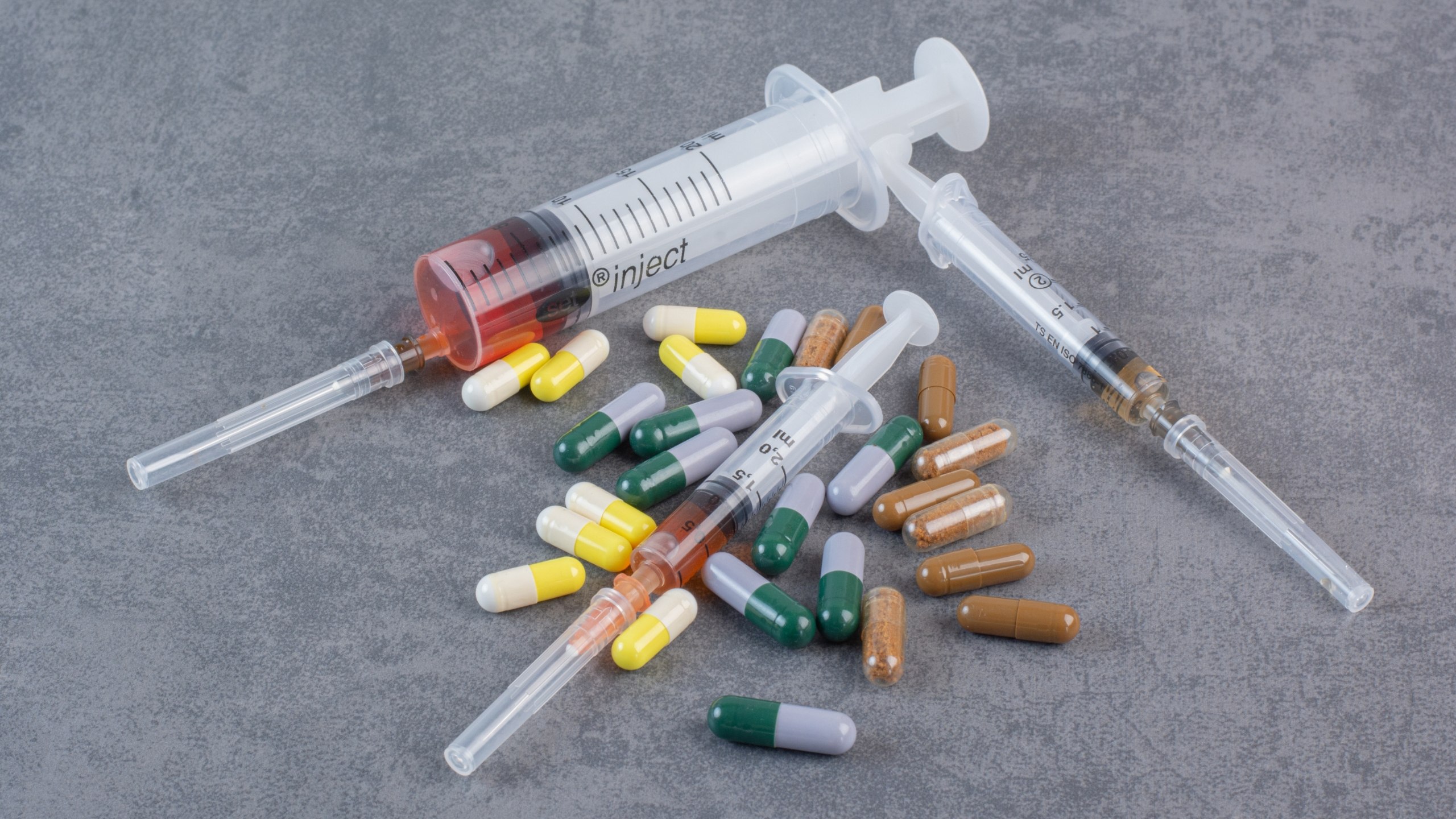
Bangladesh’s drug rehabilitation system is falling short for women and adolescents, even as more of them come forward seeking treatment. Government-run centres remain heavily built around male patients, leaving women, teenagers, and children with far fewer options and longer waits.
A System Still Designed for Men
According to the Department of Narcotics Control (DNC), government rehabilitation centres across the country have only 199 beds in total, compared with 6,190 beds available at private facilities. Officials describe that gap as far from adequate given the scale of the problem, with an estimated 8.2 million people in the country struggling with drug dependence.
The country’s main government facility, the Central Drug Addiction Treatment Centre in Tejgaon, illustrates the imbalance. Its previous 124-bed setup allocated just 24 beds to women and 10 to children, against 90 for men. The centre is being expanded into a 250-bed hospital, but during construction, treatment is currently limited to a small number of adult male patients, leaving other groups with even less access in the meantime.
Fewer Women and Children Reaching Government Care
DNC figures show that treatment numbers for women and children at government centres grew steadily after 2016 but have declined again in recent years, falling to 434 in 2025. Of that group, only a small fraction received inpatient care, compared with far higher numbers among male patients. Overall government-centre treatment also dropped sharply between 2024 and 2025, even as private-centre treatment rose.
Officials and health workers point to a mix of causes behind the shortfall, including long waiting lists, staff vacancies, and centres that are simply not distributed evenly outside major cities. The DNC’s own annual report acknowledges that services remain insufficient and unevenly spread across the country.
Discover More Stories Worth Your Time
Explore How To Buy Match Tickets?
Discover the easiest steps to secure cricket match tickets in Bangladesh.
Check Where Monsoon Travel Works?
Explore the best places to visit and areas to avoid during Bangladesh’s rainy season.
See Why India Visit Uncertain?
Discover how the Hasina extradition and Hadi murder case could affect Tarique Rahman’s India trip.
Find What Story Comes Next?
Explore what Tanim Noor may bring after Utsab and Bonolota Express.
Learn Why Saudi Invitation Matters?
Discover what the Saudi Crown Prince’s invitation could mean for Tarique Rahman’s upcoming visit.
Adolescents Especially at Risk
Roughly 80 per cent of drug users in Bangladesh are between 15 and 30 years old, according to DNC data, making teenagers and young adults one of the groups most exposed to addiction. Counsellors who work directly with young patients point to peer pressure, curiosity, stress, and weak parental supervision as common starting points.
Smaller, specialised shelters have stepped in to fill some of the gap. In Manikganj, one residential centre currently supports dozens of children and teenage girls recovering from addiction to inhalants and other substances, alongside education and vocational training, though such facilities remain limited in number and reach.
What Comes Next
The DNC has said it plans to build new 200-bed treatment centres in each of the country’s seven divisions outside Dhaka, adding roughly 1,400 beds nationwide. Health workers involved in treatment continue to stress that relapse remains a major challenge, with a majority of patients returning to drug use after leaving treatment, underscoring the need for stronger follow-up support alongside any expansion in capacity.
If you or someone you know is struggling with drug dependence, reaching out to a licensed treatment provider or counsellor is an important first step toward support.
Summary: Government drug rehab centres in Bangladesh have just 199 beds against 6,190 in private facilities, and women and children make up a small share of patients treated, even as addiction among teens and young adults keeps rising nationwide.