
A new report from UN Secretary-General António Guterres, titled “Challenges related to sea level rise and ways and approaches to address it,” has placed South Asia’s coastal megacities at the centre of a mounting global crisis.
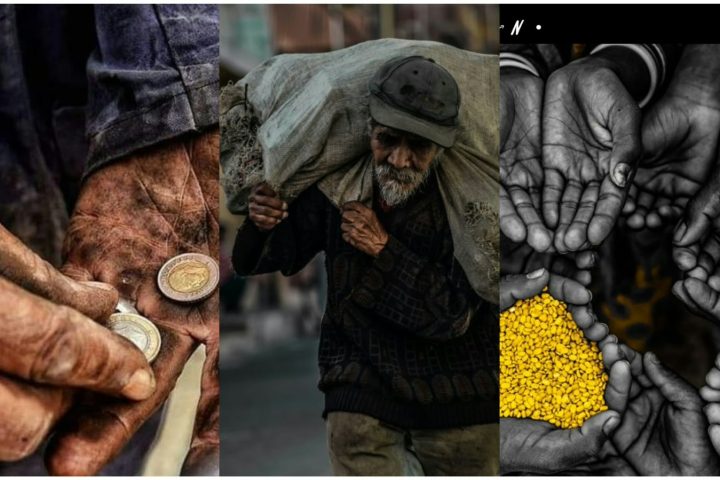
Released Monday and presented at the 55th Pacific Islands Forum Leaders Meeting in Palau, the report states plainly that in the low-lying deltas of South Asia, cities like Kolkata and Mumbai in India, and Dhaka in Bangladesh, face a defining impact of human displacement, with more than 14 million people at immediate risk of losing their homes to permanent inundation.
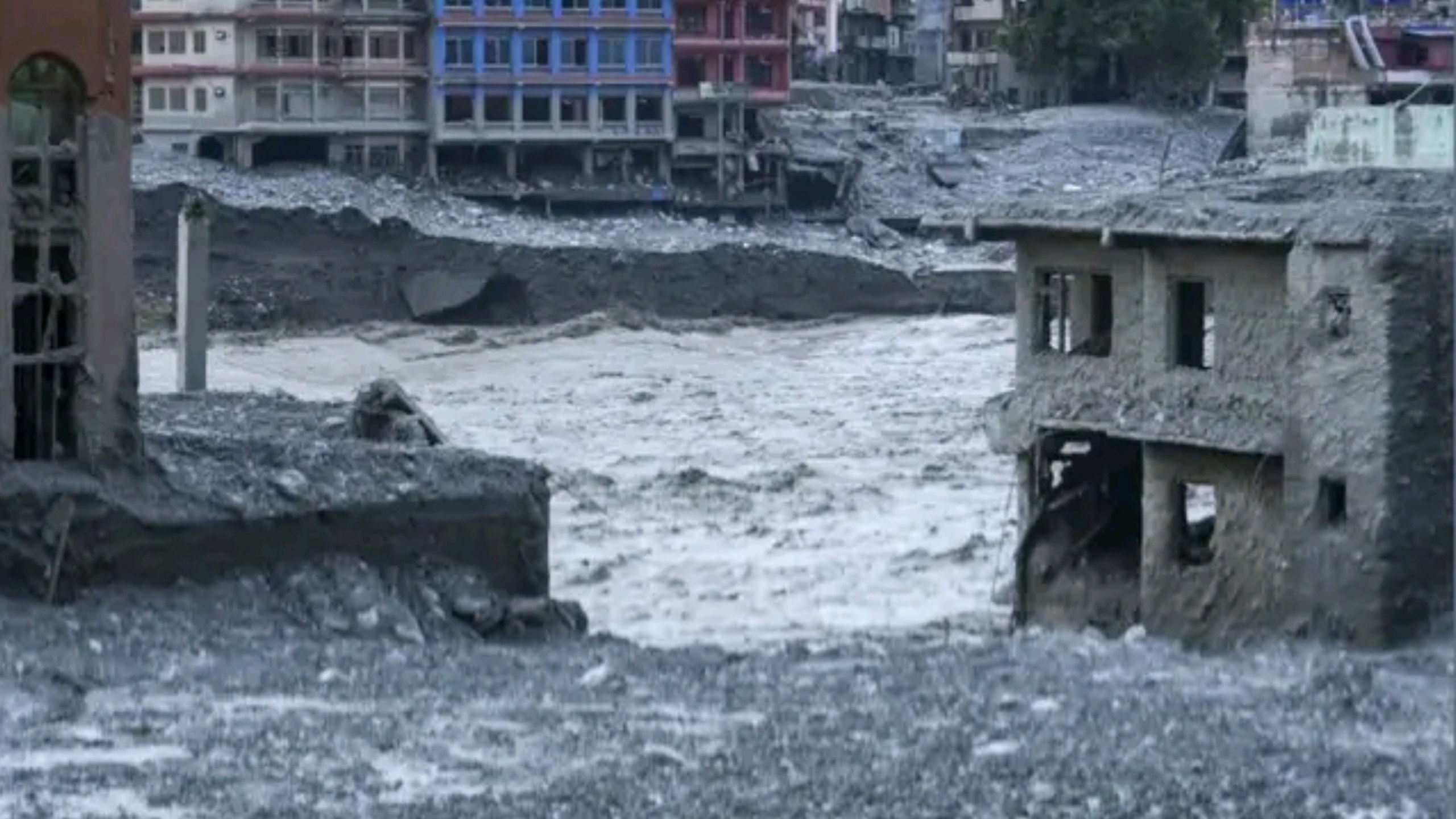
The report did not attach a fixed deadline to that scenario, but its tone left little ambiguity. It described rising seas as no longer a distant threat, but something happening now, faster than at any point in recorded history, with the pace of change continuing to accelerate.
Record-Breaking Speed
The numbers behind the warning are stark. Global sea levels rose by nearly six millimetres in 2024 alone, the highest annual rise ever recorded, driven primarily by melting glaciers and ocean warming.
Assistant Secretary-General Navid Hanif told reporters in New York that South Asia sits in a uniquely exposed position because of what he called the region’s Third Pole, a reference to the enormous concentration of Himalayan glaciers alongside the Arctic and Antarctic. He said the danger for South Asia over the next 15 to 20 years centres first on flooding from glacial melt, potentially followed by drought that threatens crops and food security, compounding the risk for already vulnerable populations.
Why Deltas Face a Different Threat Than Wealthy Coastal Cities
The report draws a sharp distinction between how rising seas hit different parts of the world. In high-income coastal cities such as Miami, New York, and Guangzhou, the primary danger is financial, with coastal infrastructure assets at risk estimated between 2 trillion and 3.5 trillion dollars.
In South Asia’s tropical deltas, the calculus is different. The threat is not primarily about property values, but about where millions of people will actually be able to live. The report argues this divergence should push global institutions to weigh human displacement as seriously as financial losses when measuring coastal vulnerability, rather than treating dollar figures as the default yardstick.
A Crisis That Touches More Than Housing
Beyond the immediate threat of displacement, the report outlines a wider set of consequences tied to rising seas. It points to damage to coastal health and sanitation infrastructure, greater exposure to water-borne diseases, disrupted sanitation systems, elevated risks of injury and death, and rising mental health stress among affected populations.
Around the world, the report estimates that roughly 770 million people, or nearly one in ten people on Earth, already live in coastal areas less than five meters above the high-tide line, placing them in the path of escalating risk. Total infrastructure at risk globally from sea level rise is estimated at a minimum of 1.8 trillion dollars.
No Easy Reversal, Only Preparation
The report is direct about one point: sea level rise, once set in motion, cannot simply be undone. Its irreversible nature, combined with its slow, creeping onset, is precisely what makes early and long-term adaptation planning essential rather than optional.
The report calls for adequate, predictable financing, stronger data and scientific monitoring capacity, and robust technical, institutional, and legal frameworks to support the populations and governments facing the sharpest risks, with particular urgency for regions like South Asia’s river deltas.
Discover More Stories Worth Your Time
See Which Foods Ease Seasonal Changes?
Explore five comforting foods that can help you feel your best.
Explore Why Wages Stay Frozen?
Discover how stagnant minimum wages are affecting Bangladesh’s garment workers and families.
Check How Conflict Hurts Jobs?
Explore why Middle East tensions could threaten Bangladesh’s jobs and poverty gains.
Learn How To Spot H1N1?
Discover H1N1 symptoms, prevention tips, and essential facts for Bangladesh.
Find Which Netflix Picks Worth Watching?
Discover binge-worthy Netflix choices for a relaxing weekend at home.
What This Means for Dhaka, Kolkata, and Mumbai
For residents of these three cities, the report’s findings sharpen a risk that has been building for years but rarely carried this level of specificity or urgency from the UN’s own leadership. Dhaka, Kolkata, and Mumbai are not simply named as vulnerable in the abstract; they are identified as places where more than 14 million people currently face the prospect of losing their homes permanently.
Whether that scale of displacement is avoided will depend heavily on how quickly national governments and international institutions translate this warning into the financing, planning, and infrastructure investment the report says is now urgently needed.
FAQ
How many people are at risk according to the UN report?
The report says more than 14 million people across Kolkata, Mumbai, and Dhaka are at immediate risk of losing their homes to permanent inundation from rising seas.
Why are South Asian cities at greater risk than wealthier coastal cities?
The report says wealthy coastal cities like Miami and New York face primarily financial risk to infrastructure, while South Asia’s low-lying deltas face a defining risk of human displacement instead.
How fast are sea levels currently rising?
Global sea levels rose by nearly six millimetres in 2024, the highest annual increase ever recorded, driven by melting glaciers and ocean warming.
What This Means for Dhaka, Kolkata, and Mumbai
For residents of these three cities, the report’s findings sharpen a risk that has been building for years but rarely carried this level of specificity or urgency from the UN’s own leadership. Dhaka, Kolkata, and Mumbai are not simply named as vulnerable in the abstract; they are identified as places where more than 14 million people currently face the prospect of losing their homes permanently.
Whether that scale of displacement is avoided will depend heavily on how quickly national governments and international institutions translate this warning into the financing, planning, and infrastructure investment the report says is now urgently needed.
FAQ
How many people are at risk according to the UN report?
The report says more than 14 million people across Kolkata, Mumbai, and Dhaka are at immediate risk of losing their homes to permanent inundation from rising seas.
Why are South Asian cities at greater risk than wealthier coastal cities?
The report says wealthy coastal cities like Miami and New York face primarily financial risk to infrastructure, while South Asia’s low-lying deltas face a defining risk of human displacement instead.
How fast are sea levels currently rising?
Global sea levels rose by nearly six millimetres in 2024, the highest annual increase ever recorded, driven by melting glaciers and ocean warming.
Summary: A United Nations Secretary-General report has warned that rising sea levels pose an “immediate risk” to millions of people in South Asia’s low-lying deltas, with more than 14 million residents of Mumbai, Kolkata, and Dhaka at risk of losing their homes to permanent inundation.