
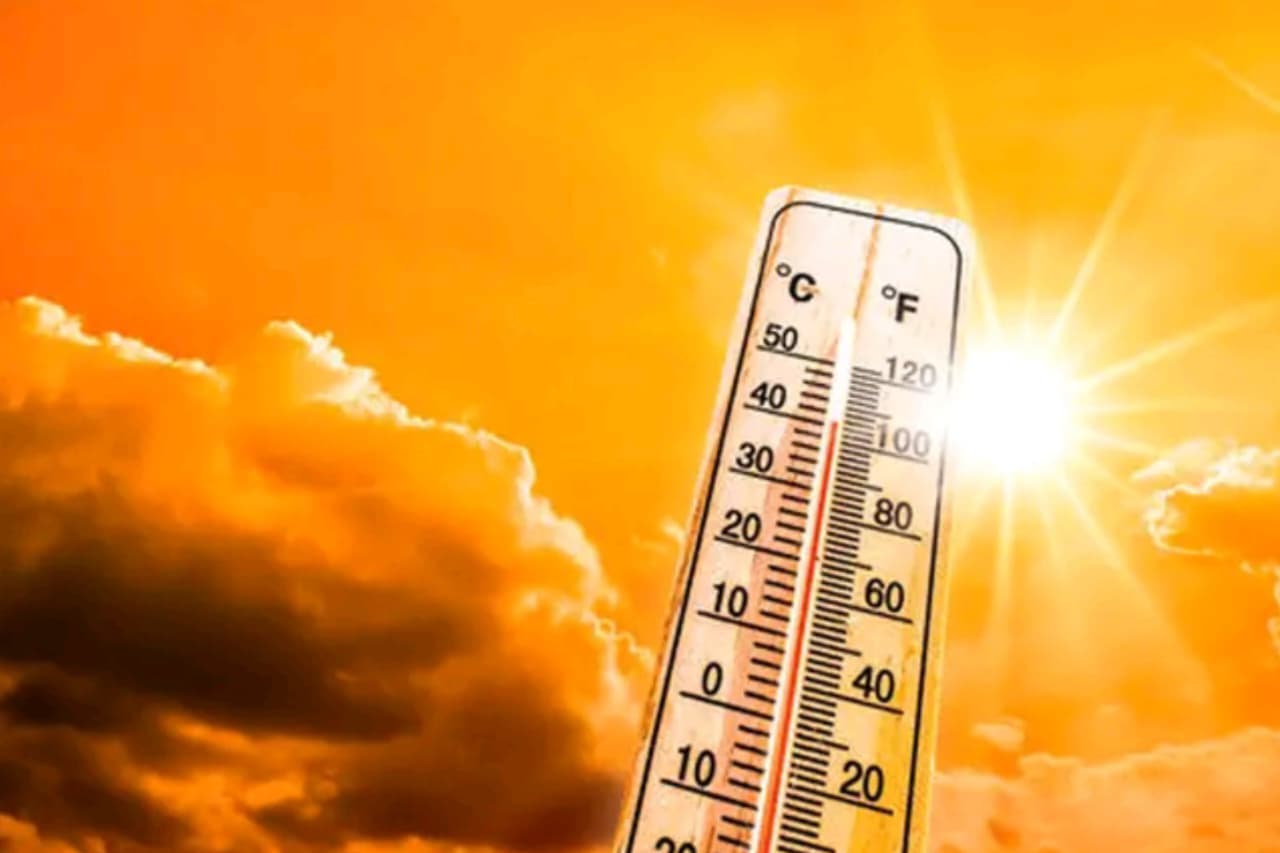
Heatwaves are no longer an occasional disruption for farmers; they are becoming a regular part of the growing season. Rising temperatures during the critical grain-filling stage speed up leaf ageing, cut down photosynthesis, and shorten the window a crop has to fill its grains properly.
Since the number of grains a plant will produce is largely fixed earlier in its life cycle, heat stress at this later stage mainly hits grain weight and quality, meaning a crop can look fine early on and still deliver a disappointing harvest. Scientists tracking these patterns say the combination of heat stress and water stress is especially damaging, with each making the other worse.
What Short-Duration Varieties Actually Do
Short-duration seed varieties are bred to complete their full life cycle in fewer days than traditional crops, letting farmers harvest before the harshest heat of the season sets in. In rice, for example, the Indian Council of Agricultural Research has developed varieties such as Pusa Basmati 1509, Pusa Basmati 1692, and Pusa Basmati 1847, which mature in around 115 to 125 days compared to longer-duration varieties that can take 150 days or more.
That difference of three to four weeks matters enormously when a late-season heatwave can arrive without much warning. Newer releases like DRR Dhan 100, which matures roughly 20 days earlier than the popular Samba Mahsuri variety, follow the same logic, delivering comparable yields on a shorter clock.
The Case for Switching This Season
Choosing a short-duration variety gives farmers a kind of insurance against unpredictable weather. A crop that finishes early spends less time exposed to the peak heat stretch of the season, which lowers the risk of yield loss from a poorly timed hot spell.
Shorter-duration crops also tend to need less water overall, since fewer growing days mean fewer irrigation cycles, an advantage that matters as groundwater levels come under growing pressure in many farming regions. On top of that, an earlier harvest frees up the field sooner for the next crop, giving farmers more flexibility in how they plan their cropping calendar for the rest of the year.
Beyond Yield Protection: The Straw Management Bonus
There is a practical side benefit that often gets overlooked. In regions where rice is followed by wheat, a shorter rice-growing period gives farmers a wider gap between harvesting one crop and sowing the next.
That extra time makes it easier to manage leftover paddy straw properly instead of resorting to open burning, a practice that has become a major source of air pollution across parts of the Indo-Gangetic plains. Agricultural researchers have specifically promoted short-duration varieties as a tool to ease this time crunch, since dwarf, early-maturing plants also tend to produce less straw in the first place.
Discover More Stories Worth Your Time
Check How Sylhet Border Watch Improves?
Explore how the new facility strengthens Bangladesh’s border surveillance and drone capabilities.
Explore Why Dengue Cases Rising?
Discover what is driving Bangladesh’s latest dengue surge and the health concerns emerging nationwide.
See Why Rising Seas Threaten Dhaka?
Discover why the UN warns millions across Mumbai, Kolkata, and Dhaka face immediate coastal risks.
Find Why Trump Praised Tarique?
Explore what the US president’s letter says about the Boeing aircraft deal.
Learn How Adani Supply Returns?
Discover how Bangladesh’s payment settlement helped restore full electricity supply from the Godda plant.
How to Choose the Right Variety for Your Field
Not every short-duration variety suits every field, so a bit of local matching goes a long way. Farmers should factor in their region’s soil type, typical rainfall pattern, and water availability before settling on a variety, since some short-duration options are better suited to drought-prone areas while others perform best where irrigation is more reliable.
Agronomists also recommend not putting all your land into a single variety. Spreading sowing across a few different maturity lengths and stress-tolerance profiles reduces the chance that one bad heatwave or unexpected dry spell wipes out an entire season’s crop at once.
A Small Change With a Big Payoff
Switching to a short-duration variety will not undo the effects of a warming climate, but it gives farmers a genuine way to work around it rather than simply hoping the weather cooperates.
With heat events arriving earlier and lasting longer nearly every year, matching seed choice to a shorter, more predictable growing window is quickly becoming less of an optional upgrade and more of a basic precaution. Farmers weighing their options this season would do well to talk to their local agricultural extension office about which short-duration varieties are recommended for their specific district before sowing begins.