
A Region Built on Fault Lines The climate risks facing South Asia are a unique mix found in few other parts of the world. Countries with coastlines, like India, Pakistan, Bangladesh and Sri Lanka, face rising seas and more severe floods. Meanwhile, landlocked nations such as Nepal, Bhutan and Afghanistan are dealing with the impacts of melting glaciers in the Hindu Kush Himalayas.
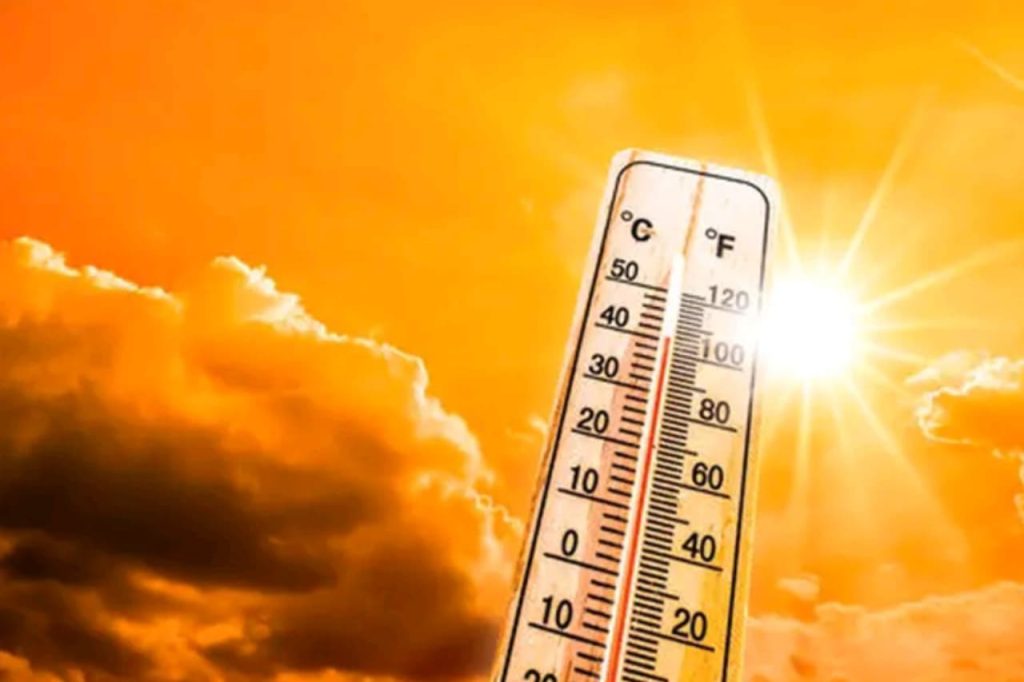
It is difficult to exaggerate the scale of what climate change is already putting in motion, with more than 1.7 billion people living across the region, much of it in high-density, low-income areas. By 2030, projections show that close to 90 percent of South Asia’s population will be in extreme heat conditions, and about one in four people will be at risk of severe flooding.
When the Mountain Villages Begin to Empty
In Nepal, displacement can start quietly, long before any single disaster makes the headlines. The glacial melt and erratic rainfall dry up local water sources, making farming unreliable and pushing young people to leave their villages for work elsewhere. That slow draining has been punctuated by sudden disasters.
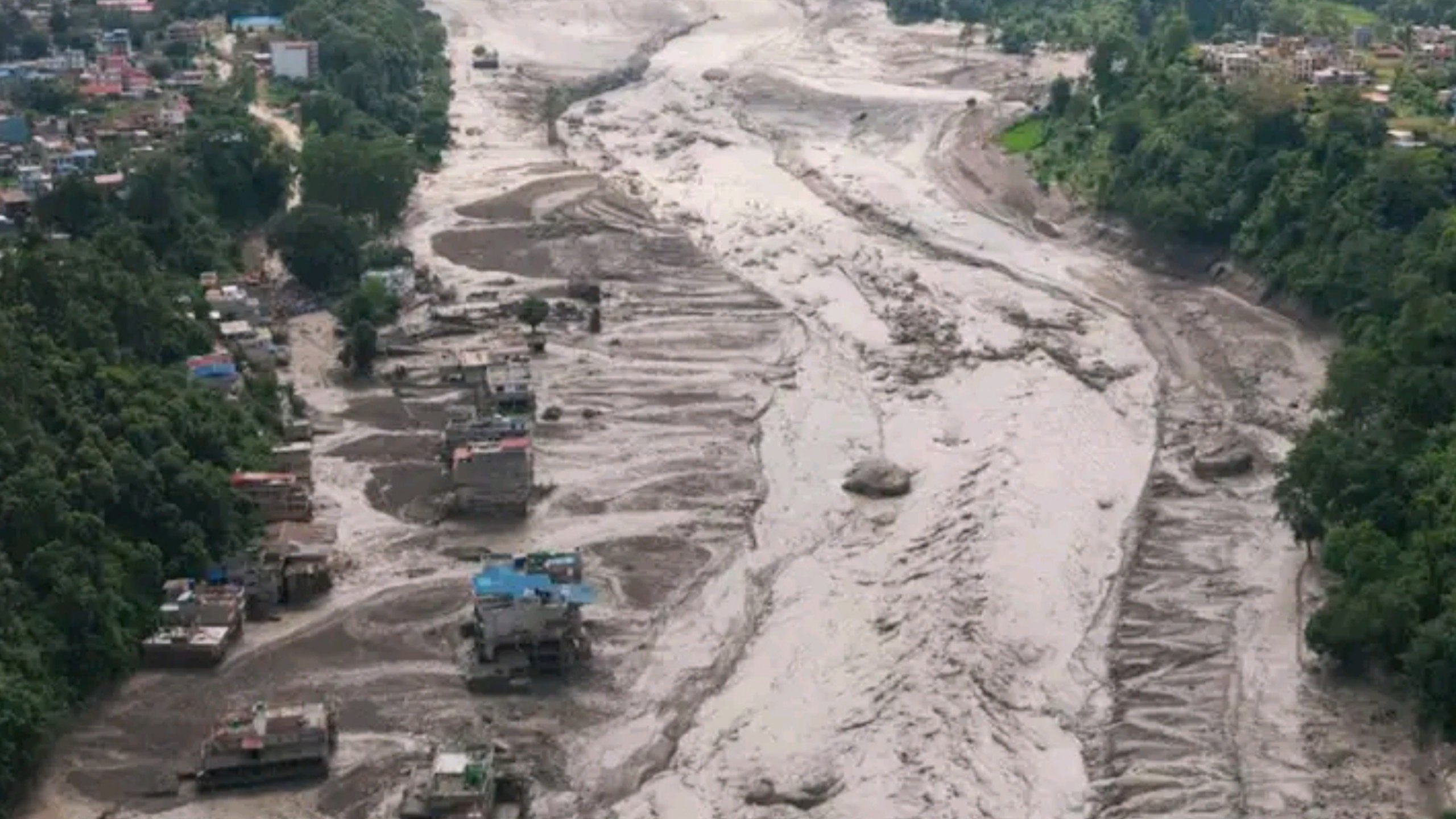
In 2024, floods and landslides across the Kathmandu Valley killed more than 200 people nationally. In 2025, new glacial lake outburst floods in remote Himalayan areas damaged bridges, homes, irrigation systems and hydropower infrastructure. Similar trends are happening in Uttarakhand and Himachal Pradesh in northern India, where decades of out-migration to nearby towns have resulted in what researchers call ghost villages.
India’s Displacement Numbers Speak for Themselves
India is the most dramatic example of the scale of the problem. The Internal Displacement Monitoring Center reports that floods and storms between 2008 and 2024 displaced more than 45 million and 15 million people respectively in the country. In 2024, India ranked as the country with the highest number of people displaced by disasters in over a decade, with 5.4 million.
But the pattern plays out differently from state to state. Sundarbans and Odisha are threatened by cyclones and tidal flooding; Bihar and Assam are plagued by recurring river floods; and landslides and glacial lake outbursts are on the rise in Himalayan states as warming alters mountain systems. More and more climate migrants are arriving in cities from these areas, often ending up in the lowest-paid and least protected sectors of the urban labour market.
The Coastal Crisis in Bangladesh
Few countries are as directly threatened as Bangladesh, where a third of the population lives in low-lying coastal areas vulnerable to flooding. The threat of rising seas looms large over much of the country’s low-lying south, and the Sundarbans Delta in particular has been identified as one of the world’s highest risk zones for climate displacement.
Some projections warn that Karachi and Dhaka together could receive close to six million climate migrants by 2050 if emissions are not brought under control, and estimates for cross-border movement into India are even higher in the coming decades. Dhaka itself is only two to thirteen meters above sea level, but still attracts large numbers of displaced people from the coast, putting pressure on a city that is itself vulnerable to flooding and cyclones.
Why the Real Number is Hard to Nail Down
One of the ongoing challenges of understanding climate migration is that it almost never has one neat, simple cause. It is difficult to know how many people are moving just because of climate change, as environmental stress is often combined with political instability, poverty and lack of opportunity.
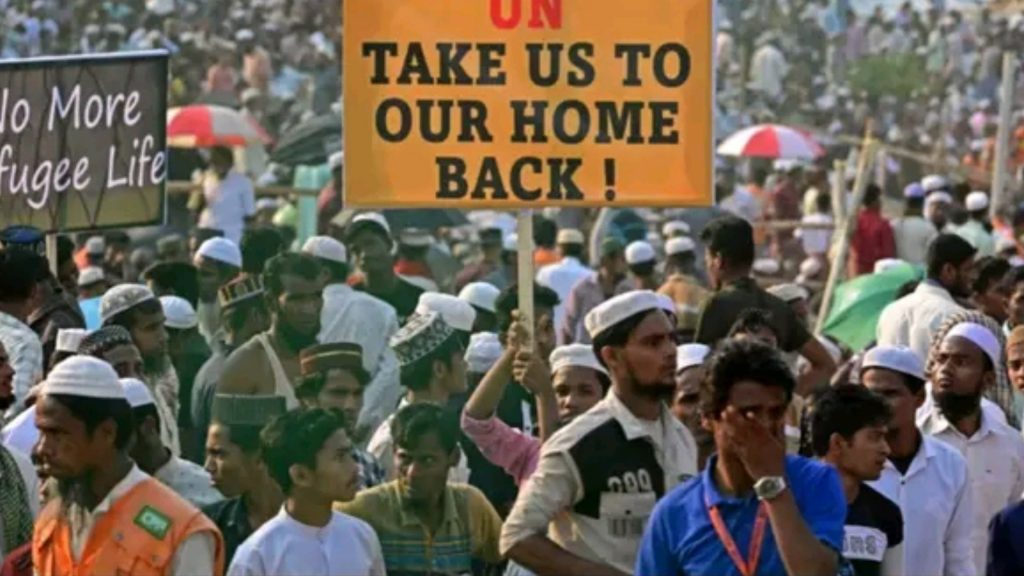
Both slow-onset pressures, such as declining crop production or degrading soils, and sudden-onset disasters, such as floods and heatwaves, can induce migration, but they do so through very different pathways, researchers note. This picture is fuzzy, and that’s part of the reason why global frameworks built around the 1951 Refugee Convention, which was meant for people fleeing persecution, offer little formal recognition or protection for those displaced by environmental change instead.
Discover More Stories Worth Your Time
See Why Rising Seas Threaten Dhaka?
Discover why the UN warns millions across Mumbai, Kolkata, and Dhaka face immediate coastal risks.
Find Why Trump Praised Tarique?
Explore what the US president’s letter says about the Boeing aircraft deal.
Learn How Adani Supply Returns?
Discover how Bangladesh’s payment settlement helped restore full electricity supply from the Godda plant.
Explore Why Dengue Cases Rising?
Discover what is driving Bangladesh’s latest dengue surge and the health concerns emerging nationwide.
A Human Price Tag Beyond the Move Itself
For families on the move, the upheaval doesn’t stop when they get to a new place. Those who move to cities often find themselves in precarious labour markets with little protection, while those who remain in vulnerable villages face dwindling resources and ageing populations as younger people leave.
Some research suggests migration can also bring modest benefits, with families who move for climate-related reasons sometimes gaining income diversification and sending remittances that help those left behind adapt. But those silver linings are small compensation for the broader loss of homes, farmland and community ties that climate displacement leaves in its wake.
What would really help
Some experts who study the region have called for a specific climate refugee protocol to address the unique risks that South Asia faces. They say existing legal structures have not been developed to accommodate displacement of this nature and have highlighted the need for enhanced regional cooperation.
It has also been suggested that investment in inland towns and smaller cities, instead of sending all displaced families to already overburdened coastal hubs like Dhaka, could help distribute the strain more evenly. Absent such measures, the human cost of South Asia’s climate migration crisis, in lost homes, disrupted livelihoods, and fractured communities, continues to mount, even as the crisis itself looks set to continue growing largely unmanaged.