West Bengal has a new government, and it is enforcing an old law with new force. The change could ripple far beyond state borders, reaching into Bangladesh’s supply chains.
A Law From 1950, Enforced Like Never Before
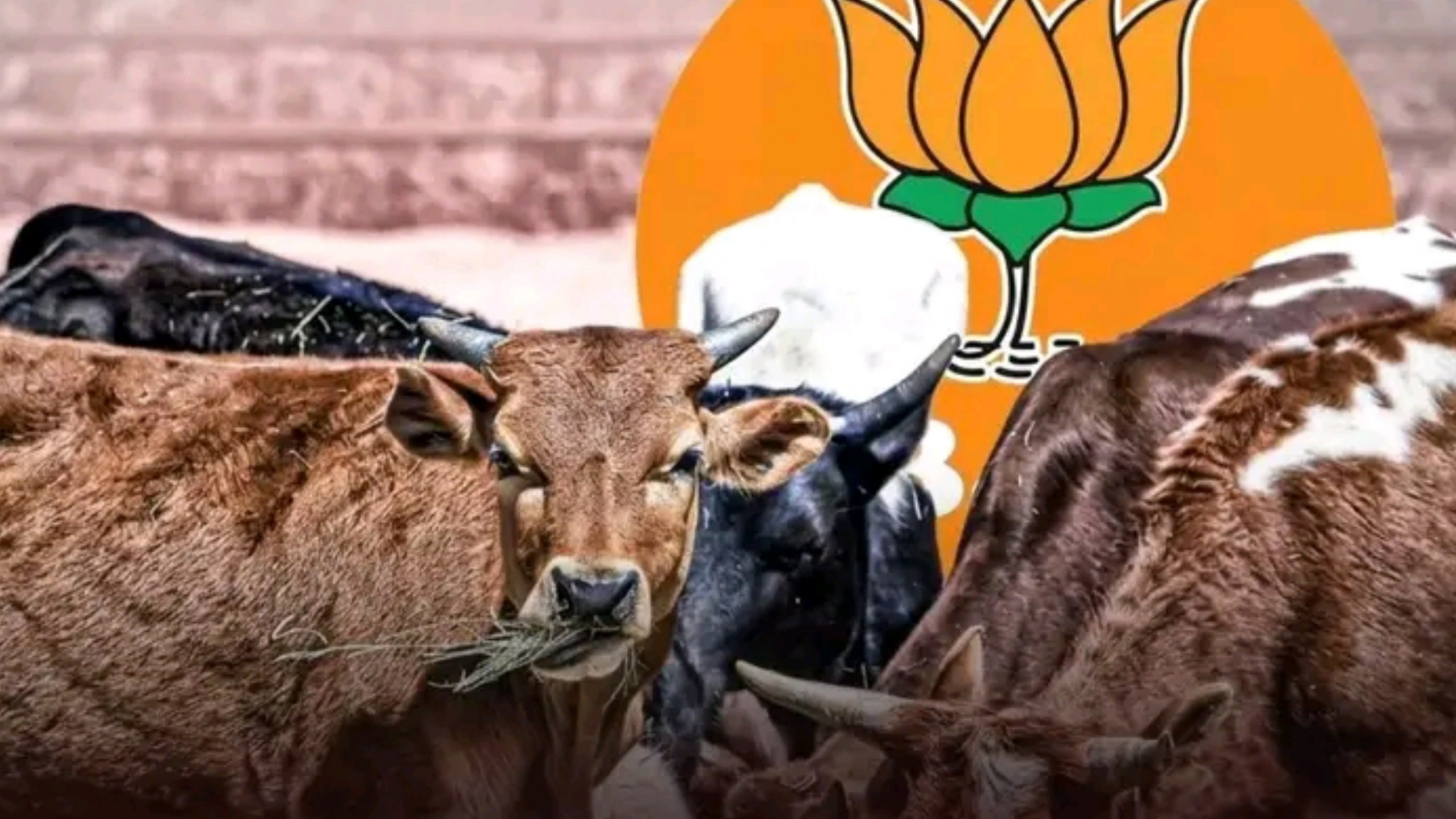
The West Bengal Animal Slaughter Control Act has existed since 1950. For decades, it sat largely unenforced. That changed on May 13, 2026, when the state’s Home and Hill Affairs Department, under the newly elected BJP government led by Chief Minister Suvendu Adhikari, issued a notice reinforcing the law with fresh urgency.
Under the notice, no one can slaughter bulls, bullocks, cows, calves, or buffaloes without a certificate confirming the animal is fit for slaughter. That certificate needs sign-off from both a local administrative head and a government veterinary officer. Slaughter in any open public place is now strictly prohibited, and violators face up to six months in prison or a fine of up to 1,000 rupees. All offences under the Act are cognizable, meaning police can act without a warrant.
Timing That Raised Questions
The notice landed just two weeks before Bakra-Eid, the Islamic festival marked by animal sacrifice. That timing drew immediate criticism from community leaders, who argued that the sudden enforcement left little room for people who had already bought sacrificial animals to comply. The Calcutta High Court declined to stay the notification, but directed the state government to strengthen safeguards around its implementation. The government also cut the Bakrid public holiday from two days to one, a separate move that added to the tension surrounding the festival that year.
Part Of A Larger Shift
This is not an isolated policy. The BJP’s landslide win in West Bengal’s 2026 Assembly elections, taking 206 of 294 seats and ending 15 years of Trinamool Congress rule, brought a broader push on cattle-related issues. The new administration has also moved to crack down on cattle smuggling networks and tighten border security, framing both efforts as part of the same law and order agenda.
Why This Matters On The Other Side Of The Border
West Bengal shares a long, porous border with Bangladesh, and cattle smuggling along that border has run for decades. Tens of thousands of cattle cross from India into Bangladesh every year, largely to feed Bangladesh’s beef consumption and its leather industry, one of the country’s major export earners. Authorities have already seized more than 23,000 smuggled cattle from West Bengal this year alone, most of them intercepted right at the Indo-Bangladesh border.
Stricter enforcement inside West Bengal, paired with tighter border security, could squeeze that supply chain further. Less cattle moving legally or illegally across the border could mean higher prices for beef and hides inside Bangladesh, and added pressure on an industry that already depends heavily on Indian cattle to meet demand, especially around Eid ul-Adha when sacrificial animal demand spikes.
Discover More Stories Worth Your Time
Explore Why Dengue Cases Rising?
Discover what is driving Bangladesh’s latest dengue surge and the health concerns emerging nationwide.
Check How Sylhet Border Watch Improves?
Explore how the new facility strengthens Bangladesh’s border surveillance and drone capabilities.
See Why Rising Seas Threaten Dhaka?
Discover why the UN warns millions across Mumbai, Kolkata, and Dhaka face immediate coastal risks.
Find Why Trump Praised Tarique?
Explore what the US president’s letter says about the Boeing aircraft deal.
Learn How Adani Supply Returns?
Discover how Bangladesh’s payment settlement helped restore full electricity supply from the Godda plant.
A Policy With Two Audiences
Supporters of the crackdown frame it as animal welfare and rule of law, closing a smuggling pipeline that has operated with the help of corrupt officials on both sides of the border for years. Critics, including religious and community leaders, see it as a policy that disproportionately affects Muslim residents’ ability to practice long-standing religious traditions, and worry it signals a harder line still to come.
What To Watch Next
The real test will come as enforcement continues past this year’s Bakrid season. If West Bengal keeps up the pressure on both domestic slaughter and cross-border smuggling, Bangladesh’s leather and beef sectors may need to find new sources of supply, or absorb higher costs passed down from a tighter, more tightly policed border.