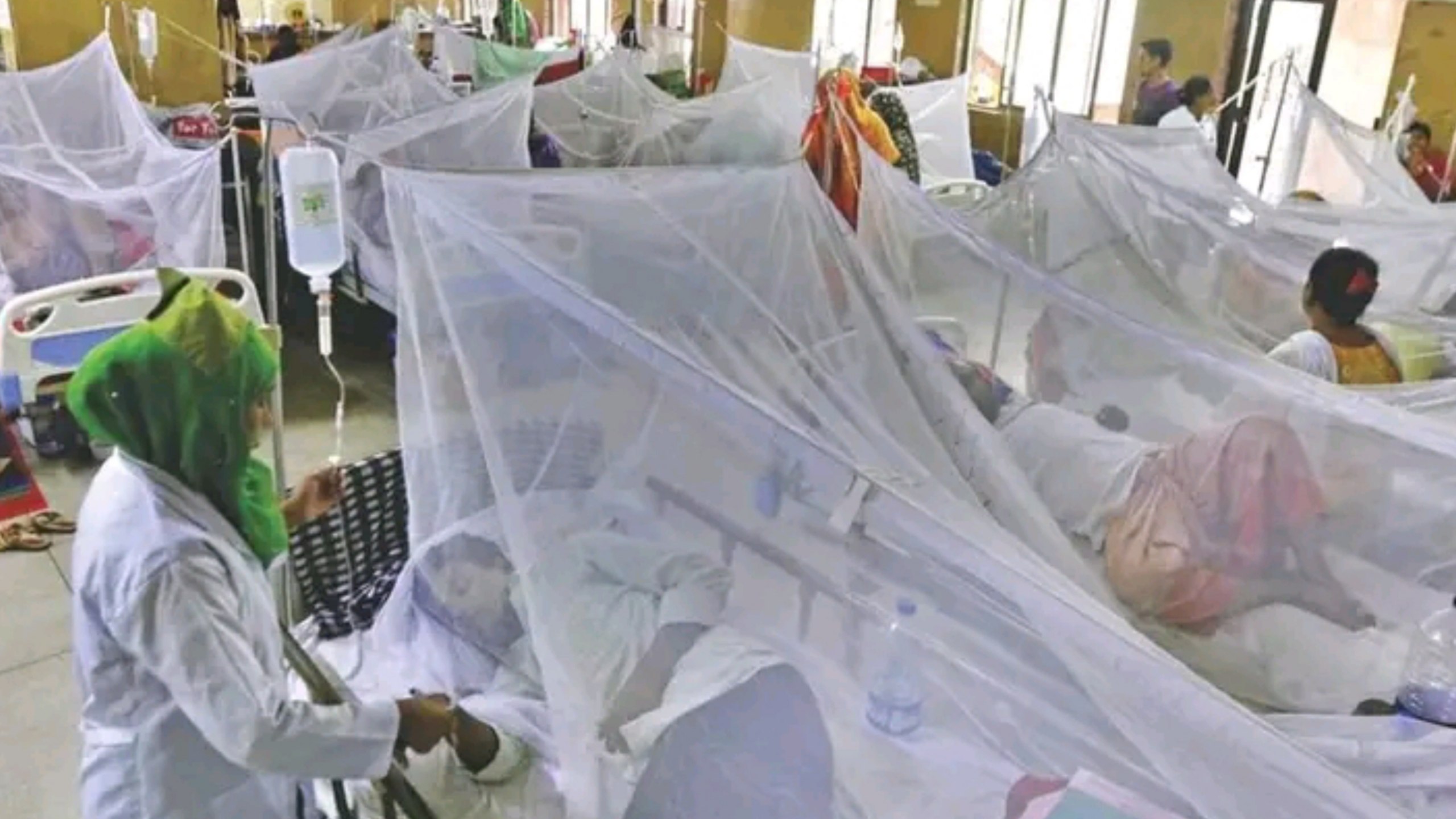
On September 8, nine people died of dengue in one day, the highest daily death toll in 2026 so far. On the same day, new hospitalisations reached 1,571, another record. The Directorate General of Health Services said the country’s cumulative toll had now crossed 130 deaths and 45,000 cases for the year. Health officials warn the real peak is yet to come. State Minister for Health MA Muhit said the cases might increase further in the last week of September and the first week of October. One medical entomologist estimated that over 30,000 people could be hospitalised in September alone if the trend continues.
Why Dhaka is Hit the Hardest
Dhaka has traditionally been the epicentre of Bangladesh’s dengue problem, and this year is no exception. The Dhaka South and North City Corporation areas continue to report some of the highest daily case counts in the country, along with the Khulna and Chattogram divisions. Historical data supports the pattern. Dhaka accounted for 34 per cent of all national cases in 2023, the country’s worst outbreak year, and 57 per cent of all deaths in the country.
The Pollution Link
Dhaka’s dengue problem is essentially a problem of density and bad waste management. The Aedes aegypti mosquito, the primary carrier of dengue, flourishes in clogged drains, stagnant water and uncollected garbage. The researchers say rapid urbanisation, pollution and poor sanitation infrastructure are major drivers behind the increased severity of the disease and its spread. The cities with the worst pollution and construction runoff – Dhaka, Chittagong and Khulna – consistently report the country’s highest case and death counts.
Monsoon rains make things worse
Dengue in Bangladesh exhibits predictable seasonal variation. Cases usually spike through the monsoon months and peak between September and November when heavy rains leave pools of standing water for mosquitoes to breed. That pattern has been in place for more than two decades, but the intensity has markedly increased in recent years. The 2023 Bangladesh outbreak was the worst ever recorded, with the highest case fatality rate (CFR) of the last 20 years (0.54 per cent) – more than double the rate reported in previous years.
Discover More Stories Worth Your Time
Explore Why Dengue Cases Rising?
Discover what is driving Bangladesh’s latest dengue surge and the health concerns emerging nationwide.
See Why Rising Seas Threaten Dhaka?
Discover why the UN warns millions across Mumbai, Kolkata, and Dhaka face immediate coastal risks.
Find Why Trump Praised Tarique?
Explore what the US president’s letter says about the Boeing aircraft deal.
Learn How Adani Supply Returns?
Discover how Bangladesh’s payment settlement helped restore full electricity supply from the Godda plant.
Check How Sylhet Border Watch Improves?
Explore how the new facility strengthens Bangladesh’s border surveillance and drone capabilities.
An Ever-Evolving Disease
Dengue is no longer confined to Dhaka and a few big cities in Bangladesh. In recent years, researchers have noticed a geographical shift, with outbreaks spreading to districts that previously had almost no dengue activity. Climate change and urban sprawl appear to be pushing the mosquito’s range farther and taking what used to be a problem limited to a few urban centres into new corners of the country.
What’s Being Done by the Government
Prime Minister Tarique Rahman will launch a three-month nationwide awareness campaign on cleanliness and mosquito control, and cleanup drives by city corporations, local governments and the health ministry. One of the most effective ways to break the mosquito breeding cycle is to eliminate standing water around homes and workplaces, and officials are urging residents to do just that.
An Annual Crisis with No End in Sight
Last year, 413 people died of dengue in Bangladesh, and over 102,000 were infected. The death toll has kept mounting this year but at a slightly slower pace, though officials warn the worst weeks are still ahead. Doctors expect the same story to be repeated next monsoon season, and the one after that, until Dhaka’s waste management and drainage systems catch up with its growth, and until pollution and urban sprawl continue to expand the mosquito’s breeding grounds.