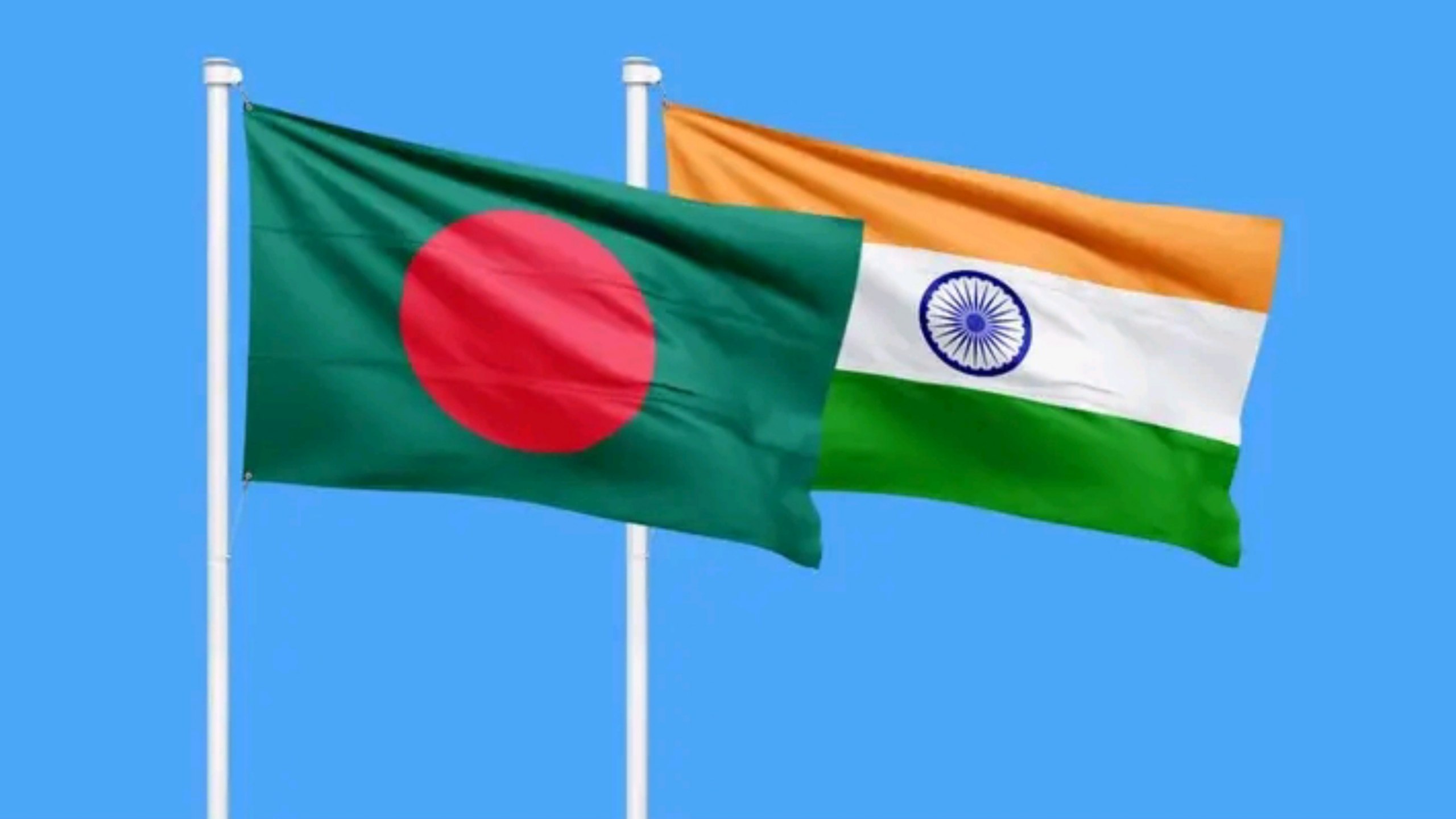
Bangladesh wants a different kind of relationship with India. Not a warmer one necessarily. A more equal one. State Minister for Foreign Affairs Humaiun Kobir laid out Dhaka’s position bluntly on Sunday. “We want to move towards a new relationship, which should be done through bilateral discussions, not through a multilateral forum,” he told reporters.
He described relations with India during Sheikh Hasina’s tenure as “uncomfortable,” and said Bangladesh needs to move past what he called an “excessive preoccupation” with its neighbor. “We have to get out of the India fascination. India is just another country, and Bangladesh wants good bilateral relations with it,” Kobir said.
Timing That Wasn’t An Accident
The comments came just two days after Bangladesh confirmed Prime Minister Tarique Rahman would skip the BRICS Summit in New Delhi. India had invited him only in his capacity as BIMSTEC chair, not as Bangladesh’s head of government, a distinction Dhaka said made attendance inappropriate for what would be Rahman’s first visit to India.
A separate bilateral invitation has technically been open since February, but no date has ever been set.
What “Reset” Actually Means Here
Kobir’s framing matters. This is not a call to repair ties and return to how things worked under Hasina. It is closer to scrapping the old playbook entirely.
Analysts note that when a government invokes a “conducive environment” as a condition for warmer relations, as Bangladesh’s leadership has done in earlier statements, it is effectively placing preconditions on any thaw, tied to unresolved issues like water sharing and border security. Kobir’s message goes further still, suggesting Bangladesh wants to treat India as one partner among many, not the dominant one.
The Backdrop Driving The Shift
Ties between Dhaka and New Delhi have been strained since Hasina fled to India following her ouster in a youth-led uprising in August 2024. India has continued sheltering her despite Bangladesh’s repeated extradition requests, a sticking point that runs through nearly every recent diplomatic friction between the two governments, including the BRICS snub itself.
Meanwhile, Bangladesh has visibly diversified its foreign relationships elsewhere. Ties with Pakistan have warmed dramatically, marked by the first Pakistani foreign minister visit to Dhaka since 2012, resumed direct trade, and new agreements on academic exchange and visas. The interim and current governments have also maintained a steady pro-China approach, with Beijing investing heavily in infrastructure across the country.
Discover More Stories Worth Your Time
Explore Why Dengue Cases Rising?
Discover what is driving Bangladesh’s latest dengue surge and the health concerns emerging nationwide.
Check How Sylhet Border Watch Improves?
Explore how the new facility strengthens Bangladesh’s border surveillance and drone capabilities.
See Why Rising Seas Threaten Dhaka?
Discover why the UN warns millions across Mumbai, Kolkata, and Dhaka face immediate coastal risks.
Find Why Trump Praised Tarique?
Explore what the US president’s letter says about the Boeing aircraft deal.
Learn How Adani Supply Returns?
Discover how Bangladesh’s payment settlement helped restore full electricity supply from the Godda plant.
India Isn’t Standing Still Either
New Delhi has made its own moves toward engagement. India’s High Commissioner in Dhaka has held multiple courtesy meetings with Rahman this year, and India’s foreign minister traveled to Dhaka in person to pay condolences after the death of Rahman’s mother, former Prime Minister Khaleda Zia.
With Bangladesh’s elections approaching, some observers describe India as actively trying to build a working relationship with the BNP government ahead of time, rather than waiting to see how the vote turns out.
What Comes Next
Rahman is due in New York later this month for the UN General Assembly, and Bangladeshi officials have not ruled out sideline meetings with other world leaders there, though nothing involving India has been confirmed.
For now, the “reset” remains mostly rhetorical, a stated intention rather than a concrete plan. Whether it turns into an actual bilateral visit, or just becomes the latest phrase in a relationship defined by stated intentions that rarely materialize, will depend on whether Dhaka and New Delhi can get past the issues, Hasina chief among them, that keep pulling the relationship back to where it started.