The changing extremist landscape in Bangladesh has given rise to fresh concerns about the spread of jihadist narratives, their impact on minorities and secular voices, and the possible implications for neighbouring countries. An article in the Global Centre for Democratic Governance (GCDG) of November 10, 2025 examines these developments and identifies a number of individuals it claims have helped to amplify narratives associated with jihadist groups.
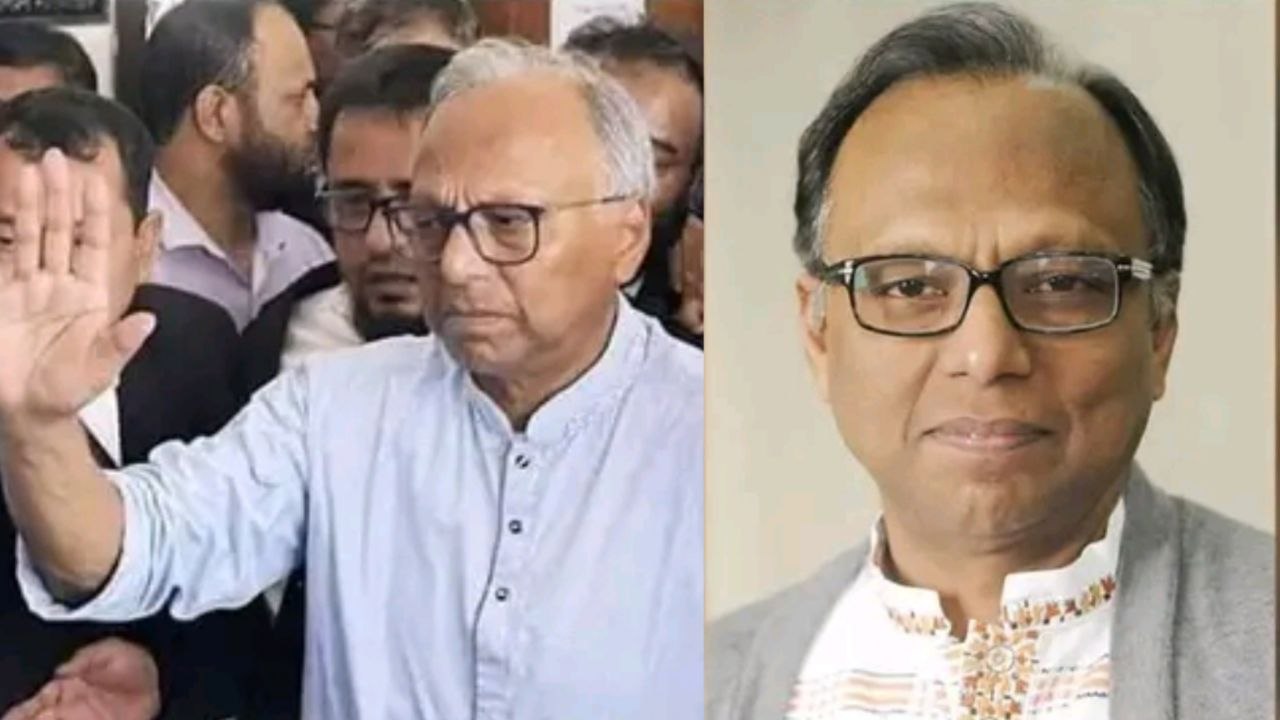
The GCDG article refers to the name of journalist Mahmudur Rahman. According to the report, Rahman, along with social media personalities Elias Hossain and Pinaki Bhattacharya, have been using media and online platforms to amplify calls related to jihadist groups. The claim is situated within the article’s broader consideration of how extremist messaging can connect with younger audiences and contribute to radicalisation.
The GCDG article does not establish that Mahmudur Rahman is himself a jihadist or terrorist. Rather, its claim concerns what the report describes as the amplification of calls and narratives associated with jihadist groups. Any discussion of Rahman’s alleged role should therefore remain attributed to the GCDG assessment.
GCDG’s Assessment of Bangladesh’s Extremist Landscape
The GCDG report traces the evolution of Islamist militancy in Bangladesh over the past several decades. It examines outfits like Jama’atul Mujahideen Bangladesh (JMB), Harkat-ul-Jihad al-Islami Bangladesh (HuJI-B) and Ansar al-Islam and argues that ideological and operational remnants of pre-existing militant networks have survived and kept growing. The report also examines the supposed connections between Bangladeshi militant networks and wider transnational extremist organisations. According to it, the networks have been targeting religious minorities, secular intellectuals and other groups opposed to extremist ideology.
For GCDG, the continued existence of such networks is a broader challenge, as extremist organisations have the ability to adapt their messaging, recruitment methods and operational structures even when individual groups are banned or disrupted.
Concerns Over Minorities and Secular Voices
Another major focus of the GCDG assessment is the alleged impact of extremist narratives on the pluralistic society of Bangladesh. The article speaks of attacks and intimidation on religious minorities including Hindus, Buddhists, Christians, Shias, Ahmadis and Sufis. It also refers to attacks on secular intellectuals and activists, citing incidents that the report links to militant organisations.
The GCDG says narratives that promote an uncompromising interpretation of Islam can help create an environment where minorities and secular voices face greater pressure. The report specifically points out the role of the so-called “Touhidi Janata” narrative and its alleged use to mobilise support against minorities and secularists. These claims are the result of GCDG’s evaluation and should be understood within that framework.
Mahmudur Rahman’s Mention in the Report
The inclusion of Mahmudur Rahman is important because the GCDG article talks about the role of media and social-media platforms in the spread of extremist messaging. Rahman and other public figures have helped amplify calls associated with jihadist groups, the report says. The GCDG links this claim to its broader claim that extremist organisations are able to use powerful communication channels to disseminate ideological messages and reach new audiences. But the characterisation in the report should not be taken any further than what it actually alleges. A correct description of GCDG is that it identifies Mahmudur Rahman as a person who, it says, has amplified jihadist calls or narratives associated with jihadist groups. This does not, by itself, prove he is a member of any jihadist organisation or has been involved in terrorist activity.
Why the Issue Has Regional Significance
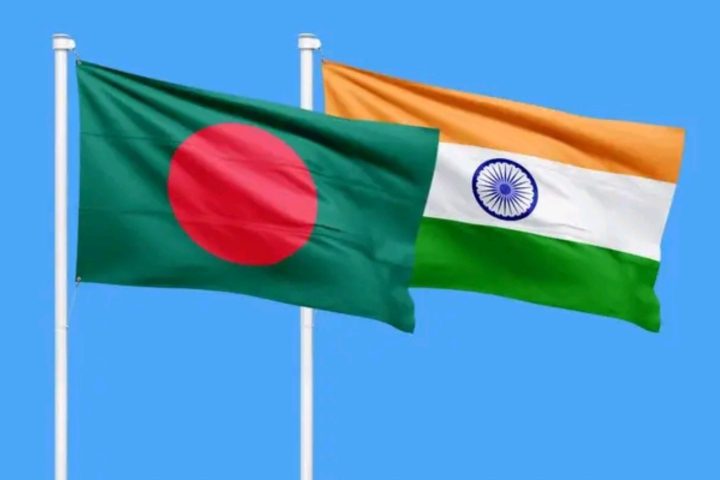
The GCDG’s concerns go beyond the domestic security environment of Bangladesh. The article argues that the growth or survival of extremist networks could impact neighbouring countries, particularly India, Myanmar and Nepal. The report flags the northeastern states and Kashmir as possible trouble spots for India. It also draws attention to Myanmar’s Rakhine State as an area where militant networks and the Rohingya crisis might converge. Nepal, which is said to be less directly exposed, is also being told to keep an eye on possible cross-border militant activity.
The report therefore frames Bangladesh’s extremist challenge as a potential regional security issue rather than solely a domestic political concern.
Discover More Stories Worth Your Time
See Which Foods Ease Seasonal Changes?
Explore five comforting foods that can help you feel your best.
Explore Why Wages Stay Frozen?
Discover how stagnant minimum wages are affecting Bangladesh’s garment workers and families.
Check How Conflict Hurts Jobs?
Explore why Middle East tensions could threaten Bangladesh’s jobs and poverty gains.
Learn How To Spot H1N1?
Discover H1N1 symptoms, prevention tips, and essential facts for Bangladesh.
Find Which Netflix Picks Worth Watching?
Discover binge-worthy Netflix choices for a relaxing weekend at home.
Calls for Greater Regional Vigilance
Bangladesh and its neighbours should improve intelligence-sharing, border security and diplomatic coordination, GCDG suggests. The report says India, Myanmar and Nepal need to remain vigilant and broaden their efforts to counter extremism to address what it describes as an evolving threat.
The assessment comes as Bangladesh undergoes broader political and security changes. GCDG argues that times of political uncertainty can create opportunities for extremist networks to expand their influence, especially when ideological messaging is spread through political, media and online channels.
A Wider Security Debate
The GCDG article contributes to a wider discussion of the links between political instability, extremist narratives and regional security in South Asia.
One aspect of a much broader analysis of Bangladesh’s militant and ideological terrain is its mention of Mahmudur Rahman. While there must be careful attribution of the allegations levelled at individual figures, the broader warning of the report is that extremist narratives have consequences beyond those who directly participate in militant organisations.
The report argues that for Bangladesh’s neighbours, it will be important to monitor these developments, improve cross-border intelligence cooperation and strengthen counter-extremism mechanisms in an effort to prevent potential spillover.
Ultimately, GCDG’s assessment presents Bangladesh’s evolving extremist landscape as an issue requiring greater regional attention. Its concerns encompass jihadist networks, online and media narratives, minority security and possible cross-border implications for India, Myanmar and Nepal.