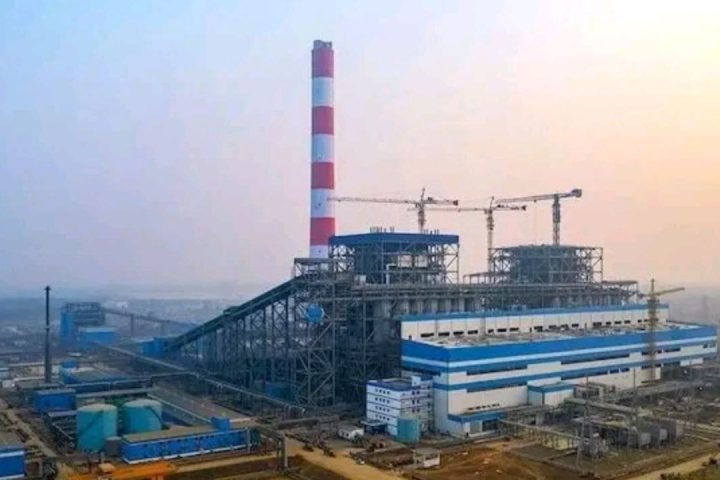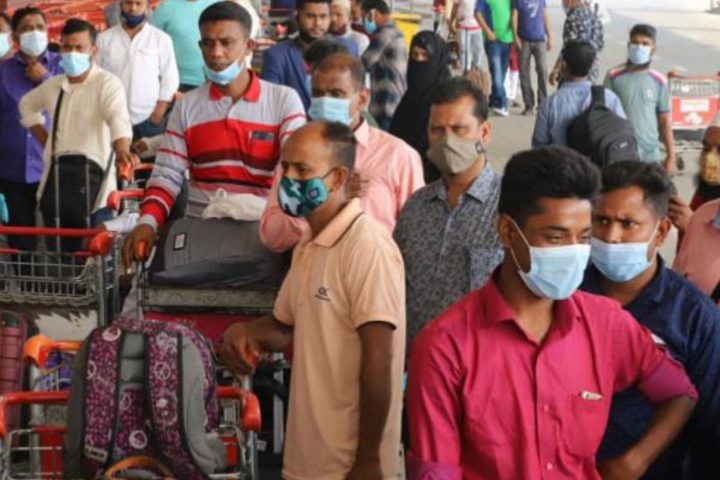
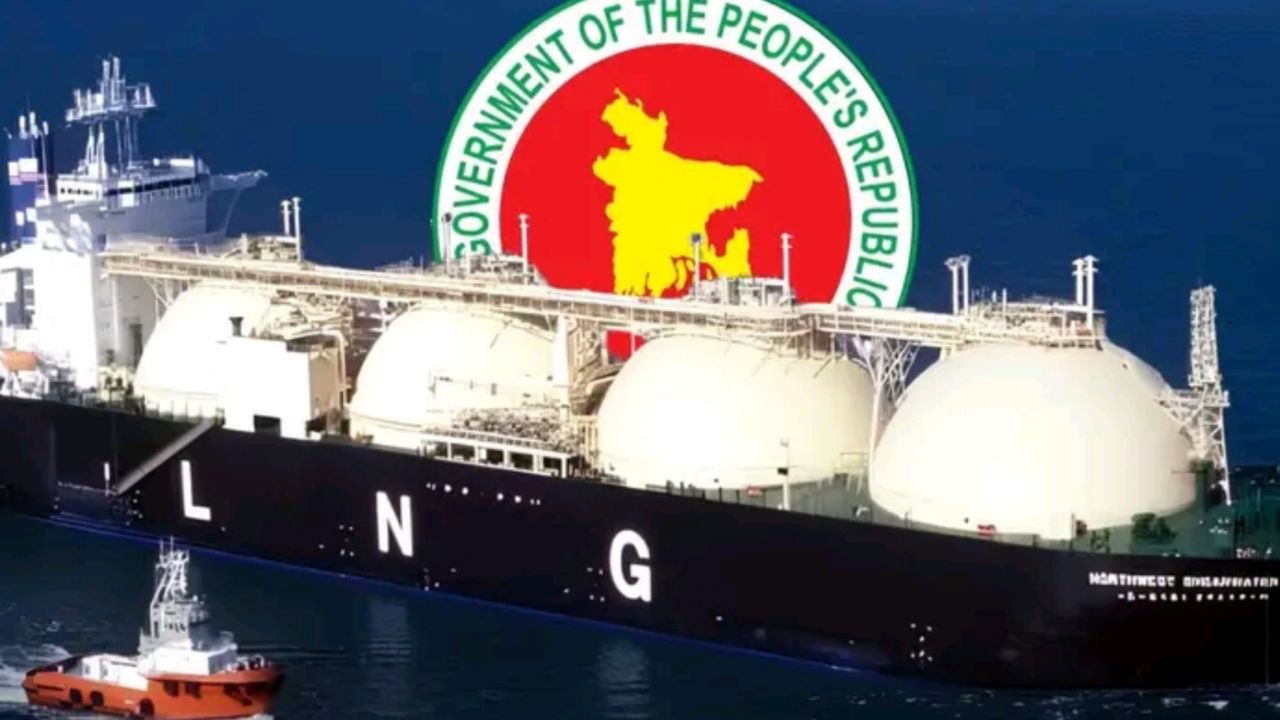
Bangladesh’s energy sector is under mounting strain as high liquefied natural gas (LNG) prices, worsened by conflict in the Middle East, squeeze both the national grid and the country’s industrial base.
Natural gas still powers around 64 percent of Bangladesh’s electricity generation, but domestic production has fallen sharply, from roughly 2,500 million cubic feet a day in 2018 to under 1,800 mmcf now. That gap has forced the country to lean heavily on imported LNG, and this year the price of that dependence has spiked. QatarEnergy, which once supplied close to 60 percent of Bangladesh’s LNG, declared force majeure after strikes disrupted shipping through the Strait of Hormuz, cutting supply just as spot market prices climbed toward $21 to $28 per unit.
Grid Under Pressure
The shortfall has translated directly into blackouts. On August 11, the gap between power supply and demand peaked at 3,592 megawatts (MW), close to 20 percent of national demand, with rural areas served by local cooperatives bearing the brunt of outages lasting up to ten hours a day. A fire at Excelerate Energy’s floating LNG terminal in Moheshkhali in July, followed by rough seas that idled a second floating unit, compounded an already tight supply picture.
Energy Minister Iqbal Hassan Mahmood Tuku has acknowledged the government’s limited options, saying officials can only manage available gas and wait for the damaged terminal to be repaired, since domestic production cannot be raised and imports through the damaged facility remain blocked.
Discover More Stories Worth Your Time
See Which Foods Ease Seasonal Changes?
Explore five comforting foods that can help you feel your best.
Explore Why Wages Stay Frozen?
Discover how stagnant minimum wages are affecting Bangladesh’s garment workers and families.
Check How Conflict Hurts Jobs?
Explore why Middle East tensions could threaten Bangladesh’s jobs and poverty gains.
Learn How To Spot H1N1?
Discover H1N1 symptoms, prevention tips, and essential facts for Bangladesh.
Find Which Netflix Picks Worth Watching?
Discover binge-worthy Netflix choices for a relaxing weekend at home.
Industry Feels the Squeeze
The fallout has hit factories hard. Around 900 textile mills suspended operations in August, and six of the country’s seven major fertiliser plants have shut down or cut production due to inadequate gas supply. Smaller manufacturers report fuel cost increases of several hundred per cent, raising concerns about Bangladesh’s reliability as a sourcing hub for international buyers. Industry leaders in Narsingdi estimate daily losses running into hundreds of crore taka.
The damage is showing up in trade figures too. Export earnings have declined year-on-year for eight straight months, with manufacturers warning that without steadier gas and power supplies, the slide could deepen as demand pressure builds.
A Costly Path Ahead
Analysts say the financial burden will only grow. If prices stay near current levels, Bangladesh’s fossil fuel import bill could go up by as much as $2.8 billion in 2026, adding more pressure on the taka, inflation, and borrowing costs. Alongside a long-term deal for LNG cargoes through 2038, the government has turned to spot-market purchases and outreach to alternative suppliers in the US, UK, Australia and India to plug the gap.
But for now, relief appears a long way off. Bangladesh’s energy crisis is set to continue as a defining economic challenge for the remainder of the year as global fuel markets remain volatile and domestic reserves continue to fall.