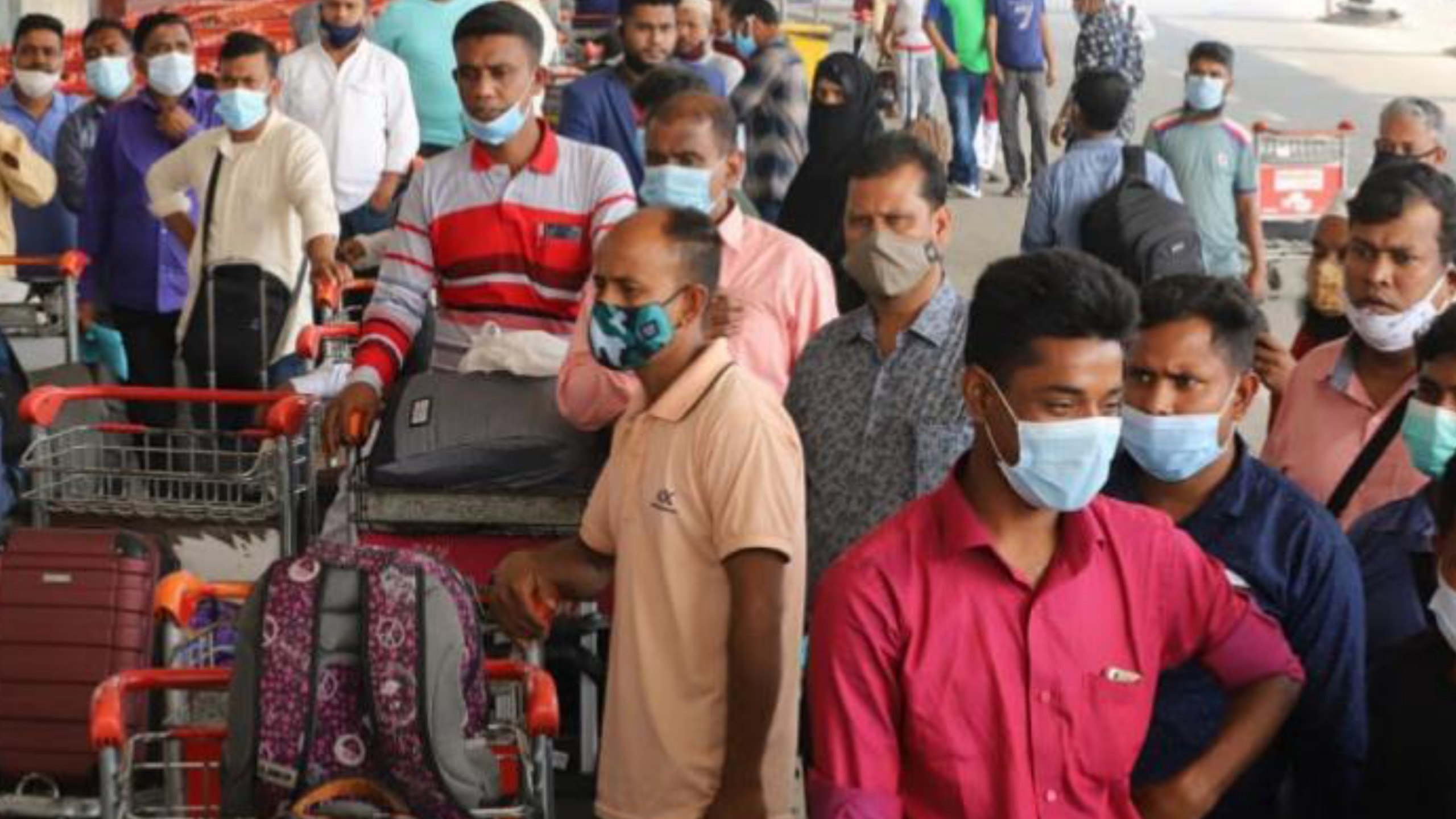
Thousands of Bangladeshi expatriates in the United Arab Emirates (UAE) are facing an uncertain future after the Gulf nation abruptly cancelled their visas, leaving many unable to return to jobs and businesses they had built over decades. Bangladeshi officials say the number of people affected has climbed to around 4,800, and the government is now scrambling to find a diplomatic solution before a self-imposed deadline set by the expatriates themselves runs out.
No Warning, No Explanation
For most of those affected, the news arrived out of nowhere. Abul Kalam Azad, who had lived and worked in the UAE for 27 years, flew home to Bangladesh on April 7 for what he expected to be a routine visit. Months later, on July 24, he received an email informing him that his visa had been cancelled. No reason was given.
His story is far from unique. Many of the affected expatriates say they left the UAE on leave, planning to return within weeks, only to discover their residency had quietly been revoked while they were away. With businesses, homes, and years of savings tied up in the country, the cancellations have left families in limbo, unsure whether they will ever be allowed back.
Why the Sudden Crackdown
Bangladeshi community leaders point to two overlapping factors. MS Shekil Chowdhury, chairman of the Centre for Non Resident Bangladeshi, said the UAE has stepped up scrutiny of visa holders amid the broader conflict situation unfolding across the Middle East. Security screening tied to regional instability appears to be catching a wide net of expatriates, including those with no connection to any wrongdoing.
At the same time, authorities are said to be taking a harder look at procedural issues, such as late visa renewals, incomplete documentation, and paperwork errors that might once have been overlooked. Chowdhury noted that social media activity and anything that could be flagged as a security concern are also drawing closer attention, though he was careful to say he could not confirm these factors were directly responsible for the cancellations.
This is not an entirely new pattern. The UAE has tightened its posture toward Bangladeshi nationals gradually over the past two years, following worker protests in mid-2024 and ongoing concerns about recruitment fraud and fake documentation. What sets this latest wave apart is its scale and the fact that long-settled residents, not just new applicants, are being affected.
Discover More Stories Worth Your Time
Explore Why Dengue Cases Rising?
Discover what is driving Bangladesh’s latest dengue surge and the health concerns emerging nationwide.
See Why Rising Seas Threaten Dhaka?
Discover why the UN warns millions across Mumbai, Kolkata, and Dhaka face immediate coastal risks.
Find Why Trump Praised Tarique?
Explore what the US president’s letter says about the Boeing aircraft deal.
Learn How Adani Supply Returns?
Discover how Bangladesh’s payment settlement helped restore full electricity supply from the Godda plant.
Check How Sylhet Border Watch Improves?
Explore how the new facility strengthens Bangladesh’s border surveillance and drone capabilities.
Bangladesh Responds
The scale of the crisis has pushed Dhaka to act. State Minister for Expatriates’ Welfare and Overseas Employment Nurul Haque Nur confirmed that both his ministry and the foreign ministry are aware of the cancellations and are working to resolve the matter through diplomatic channels. The government has formally raised the issue with UAE authorities and requested a review of the affected cases.
Affected expatriates, meanwhile, are not waiting quietly. At a press event, they laid out a five-point list of demands, including rehabilitation support and monthly financial assistance of 15,000 to 20,000 taka for families left without income. They have also asked the government to help them find alternative employment abroad if returning to the UAE is not possible, along with high-level diplomatic engagement with Abu Dhabi to restore their previous status. The group has given authorities until September 22 to show progress.
A Relationship Under Strain
The UAE has long been one of Bangladesh’s most important labour markets, with more than 12 lakh Bangladeshis currently living and working there. But that relationship has grown noticeably more difficult in recent years. Work visa issuance has slowed dramatically since 2024, and Bangladeshi nationals have increasingly reported longer processing times and higher rejection rates for both tourist and work visas across Gulf and Southeast Asian countries alike.
For now, the thousands caught up in this latest round of cancellations are left waiting, hoping that diplomatic pressure from Dhaka can undo decisions that, for many, arrived without warning or explanation. Whether the September 22 deadline brings any resolution remains to be seen.