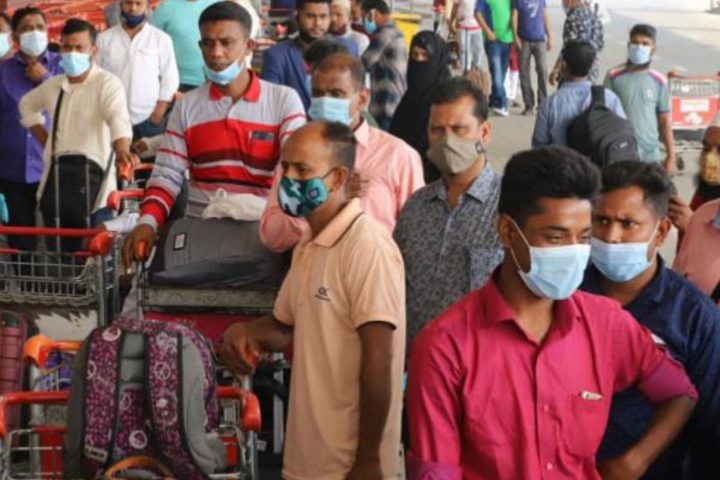
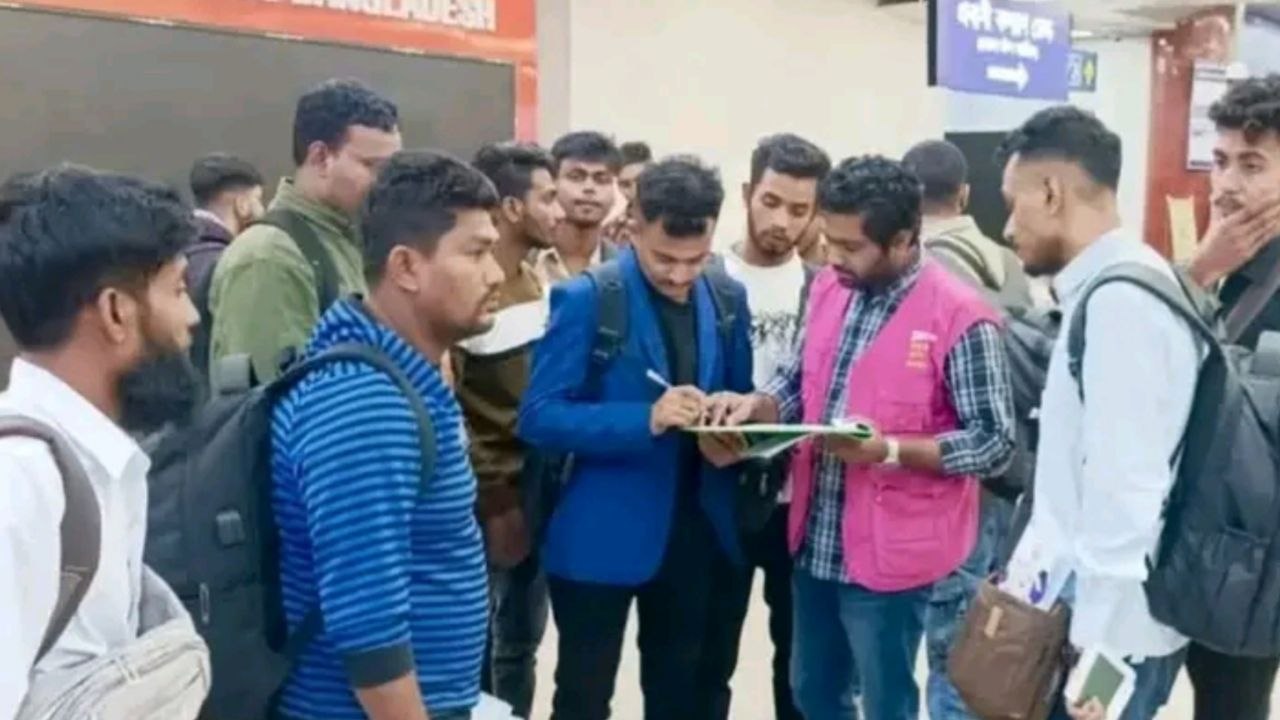
Zahidul Islam left Feni for Cambodia nearly a year ago, hoping for a better life. He paid roughly Tk 600,000 to a broker to arrange the trip. Instead, he ended up working inside a scam centre for two months before being left without any work at all. He finally collected his owed wages, bought a ticket home for September 3, and reached immigration at Phnom Penh airport. That was the last time his wife, Suma Akter, heard his voice.
A Homecoming That Never Happened
Zahidul is one of 32 Bangladeshis who bought tickets to return home on September 3 but never boarded their flight. They were turned back at immigration and later taken to a Cambodian detention facility, where relatives say they are not permitted to use phones. Through intermediaries, Suma has learned only that her husband is being held somewhere with 31 others.
Shawon, from Kaliganj in Gazipur, was on the same list of people expected home that day. His mother, Asma Begum, said he had travelled to Cambodia in April 2025 after being promised computer-operator work, a trip that cost the family Tk 550,000. He never earned steady income there, and the family was later pressured into sending another Tk 95,000 to help secure his release from a scam compound. Shawon called once more on September 4 to say he was in immigration custody awaiting a flight. His phone has been off ever since.
Zahir Imam, first secretary for Labour at the Bangladesh embassy in Bangkok, said the embassy has raised the matter with senior Cambodian officials to speed up the group’s return. He confirmed the 32 are being held at an immigration detention centre without phone access, and that the embassy has arranged for food to be sent to them through a local representative.
A Narrow Window That Closed on Many
Cambodia had opened a fine-free departure window in June for foreigners who had overstayed their visas, a move that let hundreds of Bangladeshis leave the country. In June alone, 583 returned, and the Bangladesh embassy successfully asked Cambodia to extend the deadline to September 1. Another 38 Bangladeshis made it home on September 3, but the 32 who had also bought tickets that day were stopped before they could leave.
The trouble runs deeper than this one group. At least 1,796 Bangladeshis who registered with the embassy during the return window are still stuck in Cambodia. Many say they were forced into scam-centre work despite having entered with valid documents and official manpower clearance. Numerous people who booked refundable tickets while waiting to come home are now simply being told to seek refunds instead, raising questions about what went wrong in the coordination between Dhaka and Phnom Penh.
Embassy official Zahir Imam said the cases are complicated because people entered Cambodia through different, sometimes irregular, routes, and Cambodian authorities often uncover this during detailed interviews, which slows down approvals even for those with good intentions.
Discover More Stories Worth Your Time
See Which Foods Ease Seasonal Changes?
Explore five comforting foods that can help you feel your best.
Explore Why Wages Stay Frozen?
Discover how stagnant minimum wages are affecting Bangladesh’s garment workers and families.
Check How Conflict Hurts Jobs?
Explore why Middle East tensions could threaten Bangladesh’s jobs and poverty gains.
Learn How To Spot H1N1?
Discover H1N1 symptoms, prevention tips, and essential facts for Bangladesh.
Find Which Netflix Picks Worth Watching?
Discover binge-worthy Netflix choices for a relaxing weekend at home.
Intimidation Follows Some All the Way Home
Even those who did make it back describe harassment right up to departure. Mazharul Islam of Narsingdi said he travelled to Cambodia through a recruitment agency last October expecting computer-operator work, only to discover it meant scam-centre labour. After refusing to take part, he said he was held in Phnom Penh for months, and brokers deliberately delayed his return by roughly two months, apparently trying to extract more money. After landing in Bangladesh, his phone was seized by investigators, and he is now preparing to file a case against those he blames for trafficking him.
A System Under Scrutiny
Government data show that nearly 16,000 Bangladeshis travelled to Cambodia for work over the past 18 months, many with official clearance from the Bureau of Manpower, Employment and Training. Migrant welfare groups argue the scale of the movement, despite Bangladesh having no embassy inside Cambodia itself, points to serious gaps in oversight that deserve a formal inquiry.
State Minister for Expatriates’ Welfare Nurul Hoque said he was not immediately aware of the 32 detainees’ situation but pledged the government would look into it. He added that Bangladesh has decided to apply far stricter screening before clearing workers bound for Cambodia going forward, citing the pattern of people being funnelled into scam operations after arrival.
For families like Suma’s and Asma’s, that policy shift offers little comfort. Their husbands and sons had already bought their way home once, only to vanish again just steps from the departure gate.