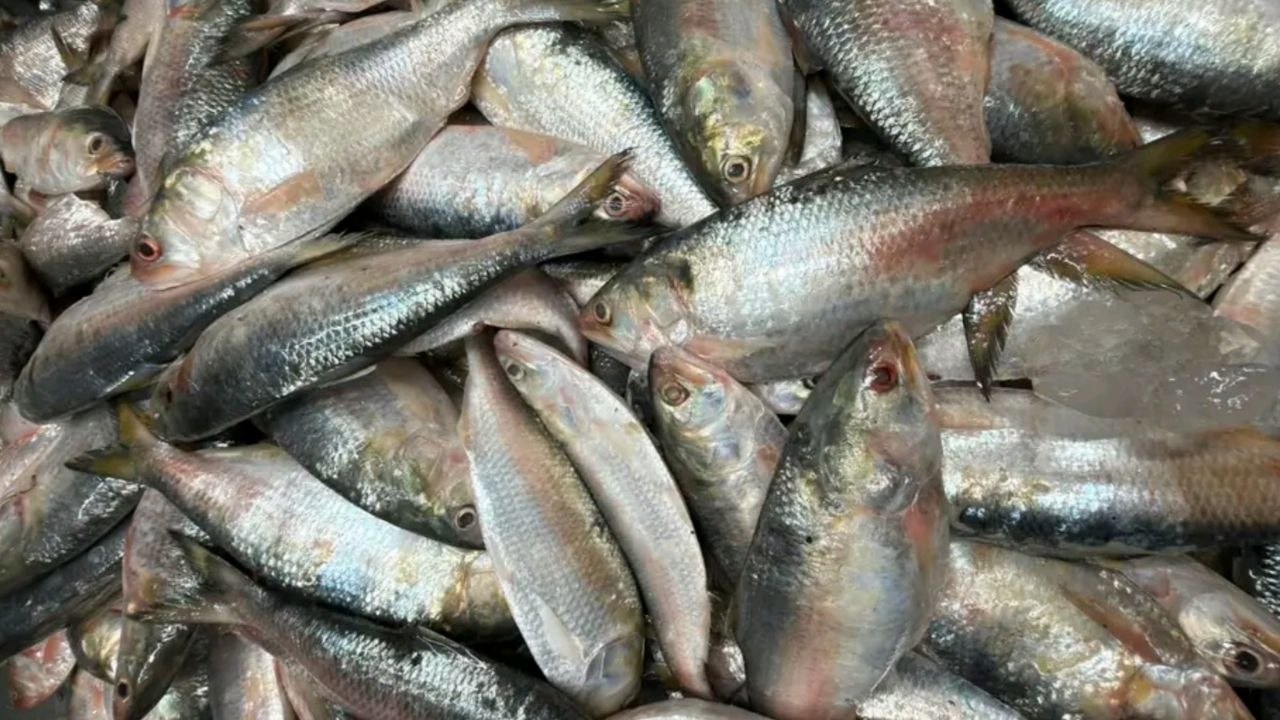
For as long as most Bengalis can remember, hilsa has flowed one way across the border, from Bangladesh’s rivers to Indian plates around Durga Puja. This year, that pattern has flipped. India has shipped around 500 tonnes of hilsa into Bangladesh over the past two months, and traders expect another 150 to 200 tonnes to follow in the coming weeks.
A Shortage That Changed the Flow
The reversal comes down to simple supply and demand. Bangladesh is traditionally the world’s largest producer of hilsa, but the country is facing a shortfall this year, and traders there have turned to India to fill the gap. Syed Anwar Maqsood, secretary of the Howrah Wholesale Fish Importers’ Association, said this marks the first time Bangladesh has imported hilsa from India, noting that trade between the two countries has usually run in the opposite direction, with items like boal, rohu, and tangra heading to Bangladesh instead.
Most of the Indian consignments have been sourced from Gujarat and shipped through Bharuch port, while other shipments have moved through the Howrah wholesale fish market in West Bengal and crossed into Bangladesh via the Petrapole land port in North 24 Parganas. Some of the fish has also come from Bengal’s own Diamond Harbour and Kolaghat, along with additional supplies from Mumbai.
Why Gujarat Hilsa Found a New Market?
One detail makes this trade route particularly interesting. Hilsa caught off Gujarat’s coast tends to carry a high roe, or egg, content, which actually limits its appeal in much of the Indian market. But that same trait has made it a hit with Bangladeshi buyers, especially in Chattogram and Sylhet, where roe-filled hilsa is considered a delicacy. Traders say the roe is even being separated out and processed for re-export to other countries, while the rest of the imported fish is being dried and sold domestically as salted hilsa or reprocessed for overseas markets.
Discover More Stories Worth Your Time
See Which Foods Ease Seasonal Changes?
Explore five comforting foods that can help you feel your best.
Explore Why Wages Stay Frozen?
Discover how stagnant minimum wages are affecting Bangladesh’s garment workers and families.
Check How Conflict Hurts Jobs?
Explore why Middle East tensions could threaten Bangladesh’s jobs and poverty gains.
Learn How To Spot H1N1?
Discover H1N1 symptoms, prevention tips, and essential facts for Bangladesh.
Find Which Netflix Picks Worth Watching?
Discover binge-worthy Netflix choices for a relaxing weekend at home.
The Festive Season Question Still Looms
While India is now sending hilsa to Bangladesh to meet everyday demand, the bigger question mark hangs over the festive season. Bangladesh has traditionally allowed a limited export of hilsa to India in the run-up to Durga Puja, treating it as a goodwill gesture that dates back roughly five years, after an initial export ban in 2012. Last year, Dhaka cleared 1,200 tonnes of hilsa for export to India, though in practice only a small fraction of that, around 143.80 tonnes, actually arrived on the Indian side. In the two years before that, arrivals stayed below 600 tonnes as well, showing a consistent gap between what gets approved and what actually crosses the border.
This year, there is still no clarity on whether Bangladesh will permit any Padma River hilsa exports to India ahead of the festival. Given the country’s own domestic shortage, many traders are watching closely to see if Dhaka will relax the rules again or hold back the catch for local markets instead.
A Trade Route Worth Watching
The shift is a reminder of how quickly weather, catch volumes, and domestic pricing pressures can reshape even a decades-old trade pattern. For years, hilsa crossing the Bangladesh-India border was treated almost like a cultural gesture, tied to festivals and goodwill diplomacy. Now, with Bangladesh’s own hilsa catch falling short, that symbolism has
given way to plain market necessity, and Indian hilsa, roe and all, is finding a ready audience across the border. Whether this becomes a lasting shift or a one-season anomaly driven by an unusual supply crunch remains to be seen. But for now, the ilish trade that once flowed almost exclusively from Bangladesh to India has, for the first time, turned around.