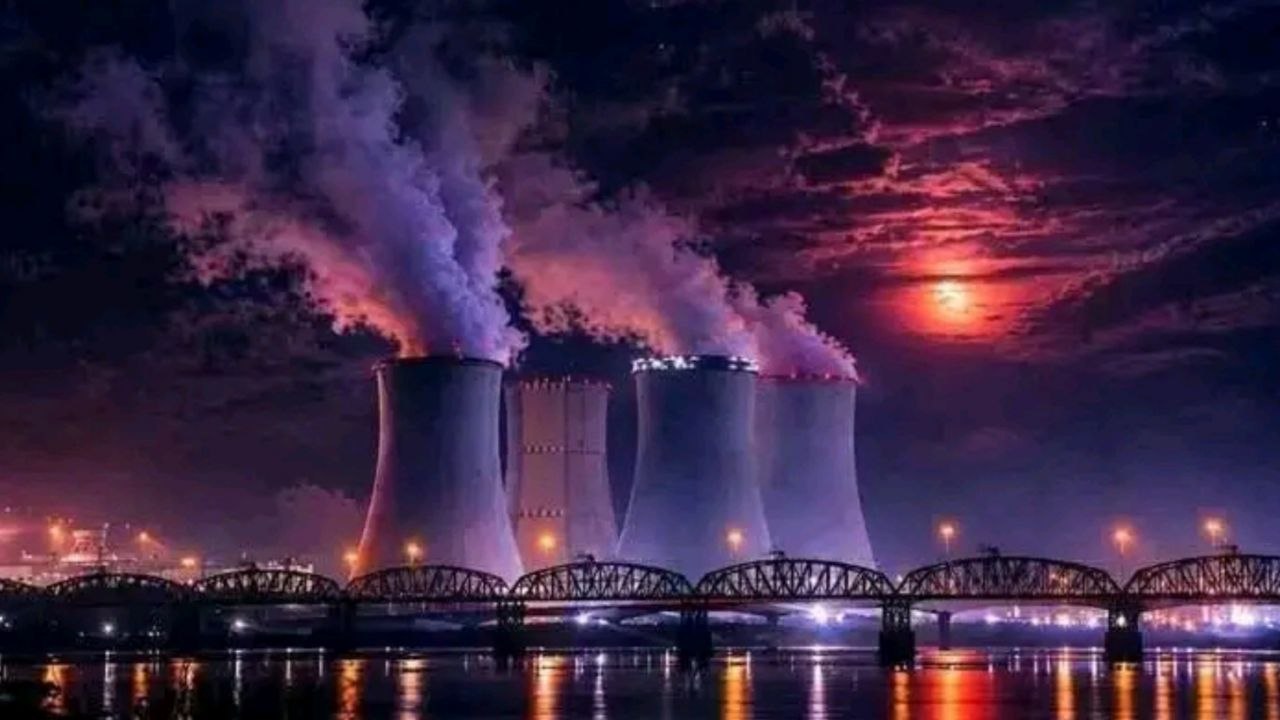
Bangladesh has now entered the world of nuclear power in a historic move. The Rooppur Nuclear Power Plant is the country’s first and biggest infrastructure project that has taken the country into the global nuclear energy community, making Bangladesh the 33rd country in the world to use nuclear power and only the third in South Asia after India and Pakistan.
A journey of years in the making
The idea of a nuclear plant in Rooppur is over half a century old – before Bangladesh gained independence in 1971. Work on Unit 1 finally got underway in November 2017 after years of delays, planning and political change. The project, built with Russian technology and funded by state-owned Rosatom, has encountered numerous setbacks, including the Covid-19 pandemic, the Russia-Ukraine war, and currency fluctuations, which have increased the total cost to almost Tk 1.39 trillion.
Fuel Loading Marks Tipping Point
The defining moment came on 28 April 2026 when the reactor core of the Unit 1 plant at Ishwardi in Pabna was loaded with uranium fuel. Officials and international observers, including the International Atomic Energy Agency (IAEA), said the event marked Bangladesh’s formal entry into the global nuclear energy community. The reactor is based on Generation III+ VVER-1200 technology and is built with multiple levels of safety systems to meet the international post-Fukushima safety standards.
Where Things Are Now
Since fuel loading, the plant has been through a careful, multi-step commissioning process that includes safety testing, sub-criticality checks and preparations to bring the reactor to a self-sustaining chain reaction known as criticality. The initial targets to connect the plant to the national grid missed June, then slipped to August and most recently, officials say, the first 300 megawatts of electricity are expected to reach the grid by October 2026. Since then, Bangladesh’s minister of science and technology has sought support from the IAEA to help accelerate the process.
Discover More Stories Worth Your Time
Explore Why Dengue Cases Rising?
Discover what is driving Bangladesh’s latest dengue surge and the health concerns emerging nationwide.
Check How Sylhet Border Watch Improves?
Explore how the new facility strengthens Bangladesh’s border surveillance and drone capabilities.
See Why Rising Seas Threaten Dhaka?
Discover why the UN warns millions across Mumbai, Kolkata, and Dhaka face immediate coastal risks.
Find Why Trump Praised Tarique?
Explore what the US president’s letter says about the Boeing aircraft deal.
Learn How Adani Supply Returns?
Discover how Bangladesh’s payment settlement helped restore full electricity supply from the Godda plant.
What This Means for Bangladesh’s Energy Future
Once fully operational, the two units of the Rooppur plant will have a combined capacity of 2,400 megawatts, enough to meet around 10 to 12 per cent of Bangladesh’s total electricity demand. For a country so reliant on natural gas and imported fuels, nuclear power provides an option for more stable and less costly electricity in the future. If there were only one working unit, experts say they could save nearly a billion dollars a year in fuel imports.
A Milestone And Steps To Come
The fuel loading milestone is historic, but the real achievement will come when electricity generated by Rooppur reaches Bangladeshi homes and industries, say officials and nuclear experts. Full commercial operation is expected to take several more months of testing after grid connection, so exactly how much of a difference this new source of power ultimately makes remains to be seen.