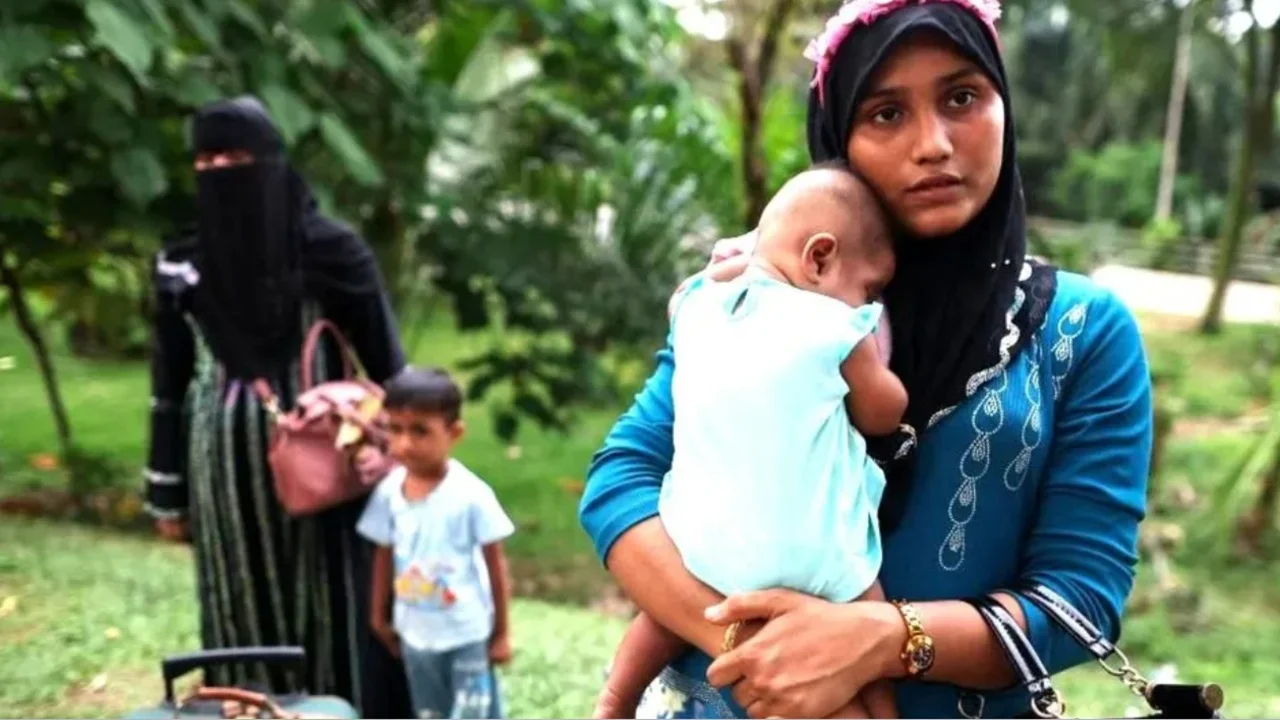
Malaysia has done something Bangladesh has failed to do in nine years: send people back to Myanmar. In July, Prime Minister Anwar Ibrahim said Myanmar’s military-led government had agreed to take back 5,000 Rohingya, and the first ships have now arrived. Dhaka, which hosts more than 1.2 million Rohingya, is watching closely. Early evidence suggests Kuala Lumpur’s path may open a door, but only a small one.
Q1. Why has the Rohingya return to Myanmar remained such a difficult challenge?
From security concerns to conditions in Myanmar, explore the major hurdles standing in the way of Rohingya repatriation.
→ https://www.banglapulse.com/rohingya-return-myanmar-repatriation-challenges/
Q2. What happens when food shortages and climate risks collide in Rohingya camps?
Explore how hunger, climate pressures and ration cuts are adding to the hardships faced by Rohingya refugees in Bangladesh.
→ https://www.banglapulse.com/rohingya-camps-hunger-crisis-climate-ration-cuts/
Q3. How is the UAE supporting Rohingya refugees in Bangladesh?
From humanitarian assistance to refugee support, discover the UAE’s role in helping Rohingya communities facing a prolonged crisis.
→ https://www.banglapulse.com/uae-support-for-rohingya-refugees/
Q4. Why are Rohingya refugees turning to bank accounts and formal financial channels in Bangladesh?
Take a closer look at Rohingya banking access, financial transactions and the concerns surrounding hundi networks.
→ https://www.banglapulse.com/rohingya-bank-accounts-bangladesh-hundi/
Q5. What could Tarique Rahman’s UNGA visit mean for Bangladesh’s international messaging?
Explore the key focus and diplomatic significance of Tarique Rahman’s UNGA visit as Bangladesh engages with the wider international community.
→ https://www.banglapulse.com/tarique-rahman-unga-visit/
What Malaysia Has Done So Far
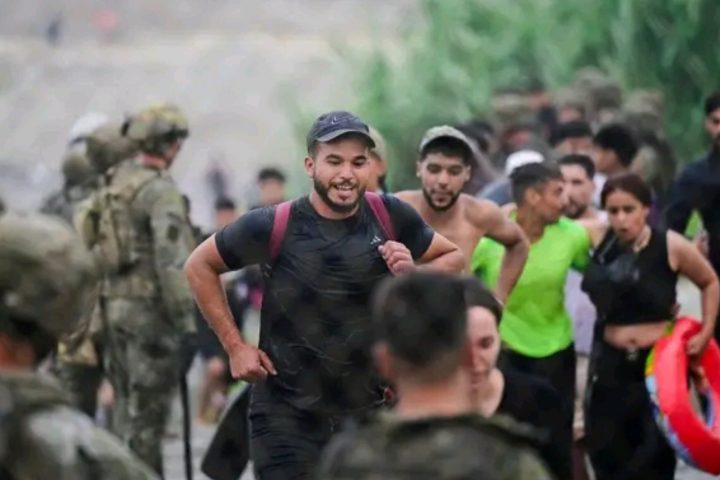
Anwar announced the deal on July 29. Malaysia hosts over 215,000 registered refugees, including about 126,000 Rohingya. On September 29, three Myanmar navy ships left with 1,476 migrants, mostly men, and docked at Thanlyin on October 4. Malaysia says all returnees agreed voluntarily, though the UN and rights groups doubt they had a real choice. Myanmar says they had completed sentences for immigration offences.
Importantly, Anwar told Parliament that no Rohingya have been repatriated so far, and that the scheme covers Myanmar nationals of all ethnic groups. A second group of 3,524 has been approved, and Myanmar’s president Min Aung Hlaing, the former coup leader, is expected to visit Malaysia to discuss the programme.
Why Dhaka Is Watching
The Malaysian model shows that direct talks with Naypyidaw can produce movement. Myanmar has also pledged returns will be safe and dignified. For Bangladesh, which has sent data on 829,036 Rohingya, with 393,503 verified by Myanmar, a working channel with the junta remains valuable.
Why the Model May Not Transfer
- Different people: Malaysia’s returnees go to the Yangon region. Bangladesh’s refugees come from northern Rakhine.
- Different control: The Arakan Army (AA) now controls almost all areas where the Rohingya once lived, and the entire border with Bangladesh. Naypyidaw cannot promise land it does not hold.
- Citizenship: Myanmar says it takes people whose nationality is verified, which many Rohingya cannot prove.
- Safety: The UN says conditions in Rakhine are not ready for voluntary, safe, dignified and sustainable return, and rights groups warn returnees could face forced recruitment.
- Scale: 5,000 people is a tiny share of 1.2 million.
What Bangladesh Is Doing
Dhaka is seeking a wider political process, with an end to violence, legal guarantees, humanitarian funding and international involvement. Foreign Minister Khalilur Rahman has said the government is working to build dialogue between Myanmar and the AA, and reports say Bangladesh already has contact with the group while weighing concerns about alleged abuses.
What to Watch Next
- The outcome of Min Aung Hlaing’s Malaysia visit
- Whether Rohingya are included in later groups, and what happens to them
- Any workable junta and AA channel on Rakhine
- The role of the UN refugee agency in monitoring returns
Bottom Line
Malaysia’s engagement shows the junta will talk, but it does not solve Bangladesh’s core problem of safe return to Rakhine.
1. Has Malaysia sent Rohingya back to Myanmar?
Not confirmed. Anwar said no Rohingya have been repatriated yet.
2. How many people have returned so far?
The first group was 1,476 Myanmar migrants, mostly men.
3. Does Malaysia’s deal include Bangladesh?
No. It is a bilateral deal, though Anwar described it as part of a wider regional effort.
4. Why is Rohingya return from Bangladesh so hard?
Rakhine is largely under the AA, the UN says conditions are unsafe, and citizenship remains unresolved.
5. What does Bangladesh want?
A broader process with security, legal guarantees, funding and international involvement.