For nearly a week, the guns had gone quiet. Mediators were working to bring Washington and Tehran back to the negotiating table, and officials on both sides had signalled openness to a fresh round of talks. That pause ended abruptly on Wednesday, July 29, when the United States military carried out what US Central Command called a “powerful response” to an attempted Iranian attack a day earlier.
CENTCOM said US forces began striking targets inside Iran at 8 p.m. ET, in a wave of attacks that Iranian state media reported set off explosions across the south of the country, including near Bandar Abbas and the Persian Gulf island of Kish.
What Triggered the Strikes
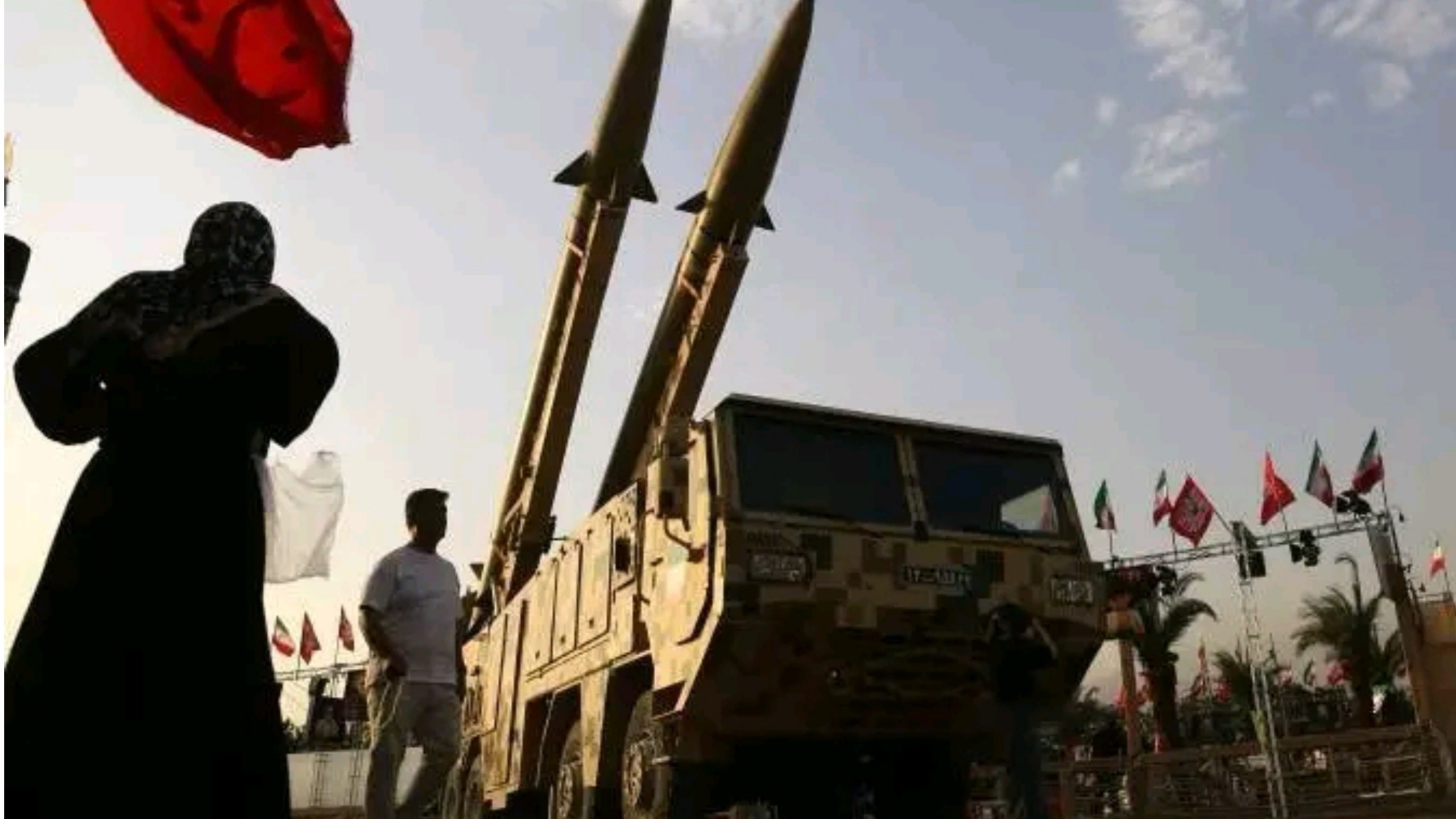
The retaliation followed an Iranian missile launch on Tuesday evening. According to CENTCOM, Islamic Revolutionary Guard Corps forces fired multiple ballistic missiles at US forces in the Middle East in what the command described as an attempted surprise attack. All the missiles were intercepted, and no American casualties were reported, but the episode ended days of relative quiet and put US forces on high alert.
Hours after the interception, American and Saudi Arabian aircraft carried out joint strikes on weapons and logistics sites in eastern Iraq used by Iran-backed militias, which CENTCOM said were responsible for more than 30 drone attacks over the previous three days.
Trump Vows a Forceful Response
President Donald Trump signalled early Wednesday that a major strike was coming. Speaking to reporters, he said Iran would face a heavy response for the missile launch and that the US would not hold back. His comments came the same day he met at the White House with Israeli Prime Minister Benjamin Netanyahu, who described the discussion as productive and centred on close coordination over Iran.
By Wednesday night, CENTCOM confirmed that the strikes were underway, describing the operation as a direct answer to the prior day’s attack on American forces.
Hopes for Talks Dim
The renewed fighting comes after the US had paused offensive operations against Iran over the weekend, a move seen as an opening for possible diplomacy. Trump had reportedly weighed a larger campaign of strikes but held off, partly out of concern about further widening the conflict and straining American munitions stockpiles.
That opening has now narrowed. The exchange marks the latest escalation in a war that has run for roughly five months and drawn in Iraq, Jordan, Saudi Arabia, and Gulf states, several of which have intercepted missiles and drones aimed at American and allied positions.
Discover More Stories Worth Your Time
See How Microplastics Spread?
Discover why Bangladesh’s rivers, salt pans, and fish markets are raising concern.
Find Why Wetlands Face Threat?
Explore how invasive turtles are disrupting biodiversity in Dhaka’s waterways.
Learn Why Army Took Custody?
Discover the latest developments in the Brig Gen Miftah Uddin tribunal case.
Explore What Follows Shahabuddin’s Exit?
Discover how Bangladesh’s leadership could change after the president’s departure.
Check Why Assault Case Filed?
Explore the allegations involving actress Snigdha Chowdhury and the Ashiyan chairman.
Wider Regional Fallout
The renewed strikes have already rippled through regional shipping and energy markets. Oil prices rose following the exchange, and vessels have begun rerouting after Iran-aligned Houthi forces in Yemen said they would target Saudi-linked ships attempting to reach the Indian Ocean. Saudi Arabia’s defence minister met separately with Vice President JD Vance in Washington this week to urge against further escalation, particularly against Yemen’s Houthis and Iran-backed groups in Iraq.
With both nations trading strikes again after a rare lull, the prospects for a near-term return to negotiations look uncertain. US officials have privately acknowledged the risks of resuming sustained combat operations, including the toll on munitions supplies, even as the administration signals it is prepared to keep up the pressure on Tehran.
Summary: US forces launched retaliatory airstrikes on Iran on Wednesday night after Iran’s Revolutionary Guard fired ballistic missiles at American troops in the region. The attack broke a rare pause in the months-long conflict, with President Trump promising a forceful response and both sides now further from the negotiating table.