From the Brink of Extinction: For the first time, Bangladesh is trying to do more than list its endangered plants. It wants to increase their numbers in the wild. All five species were marked critically endangered in the country’s first Plant Red List, which assessed 1,000 of Bangladesh’s 3,813 known plant species.
What the Red List Found
Of the 1,000 assessed species, 271 were of least concern, and 256 lacked enough data. Another 395 were threatened, made up of five critically endangered, 128 endangered and 262 vulnerable species. Seven were regionally extinct, and one was extinct in the wild.
Where These Plants Survive
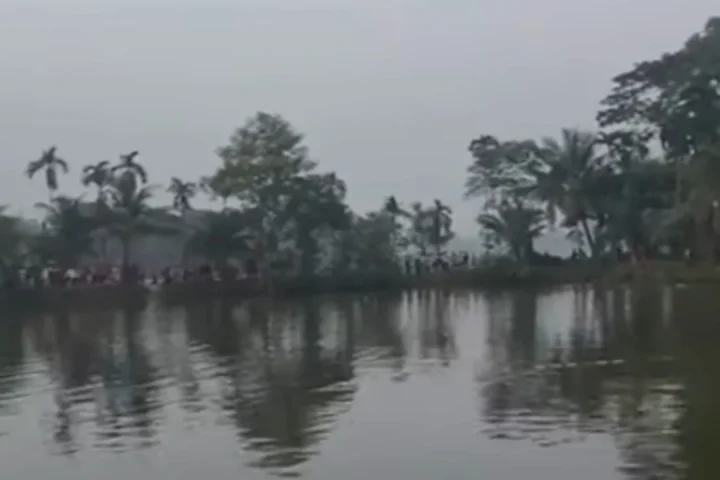
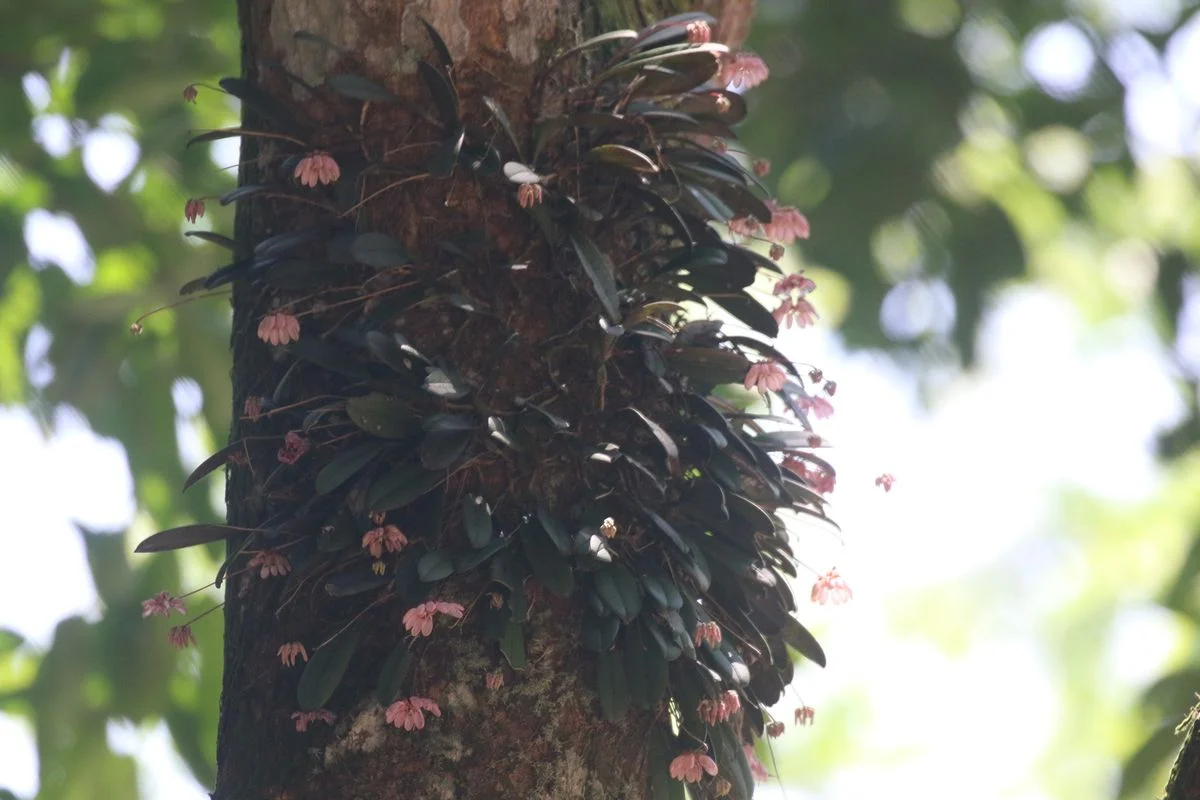
The bulborox and small-bulb orchids are found only in a particular part of the Sundarbans. The dwarf date palm exists only in the sal forest of Dinajpur. Chaulmoogra trees are few and scattered across hill and forest districts. Bash pata is in the worst position of all, with just 111 plants left in the country. It never bears fruit and produces very few seeds.
How They Will Be Saved
The Forest Department is working with the National Herbarium, the National Botanical Garden and IUCN Bangladesh. Orchids, chaulmoogra and bash pata will be multiplied through tissue culture, a slow but reliable method. Gazi Mosharof Hossain, a Red List assessor and botany professor at Jahangirnagar University, said multiplying orchids from their bulbs is easiest, but tissue culture is the best route. The dwarf date palm grows from seed, so seedlings can be raised more easily. The young plants will then go to coastal areas, hill forests and sal forests.
Syeda Rizwana Hasan, adviser to the environment ministry, said the team is also trying to collect two locally extinct plants, gola anjan and fita champa, from neighbouring countries with similar ecosystems.
Why It Matters
Plants keep air and soil healthy and support the wider food chain, besides providing medicines and building materials. Losing even one species can weaken that chain. Red List coordinator ABM Sarowar Alam said the work will play a major role in conservation, and that assessing the remaining species would help protect the rest.