

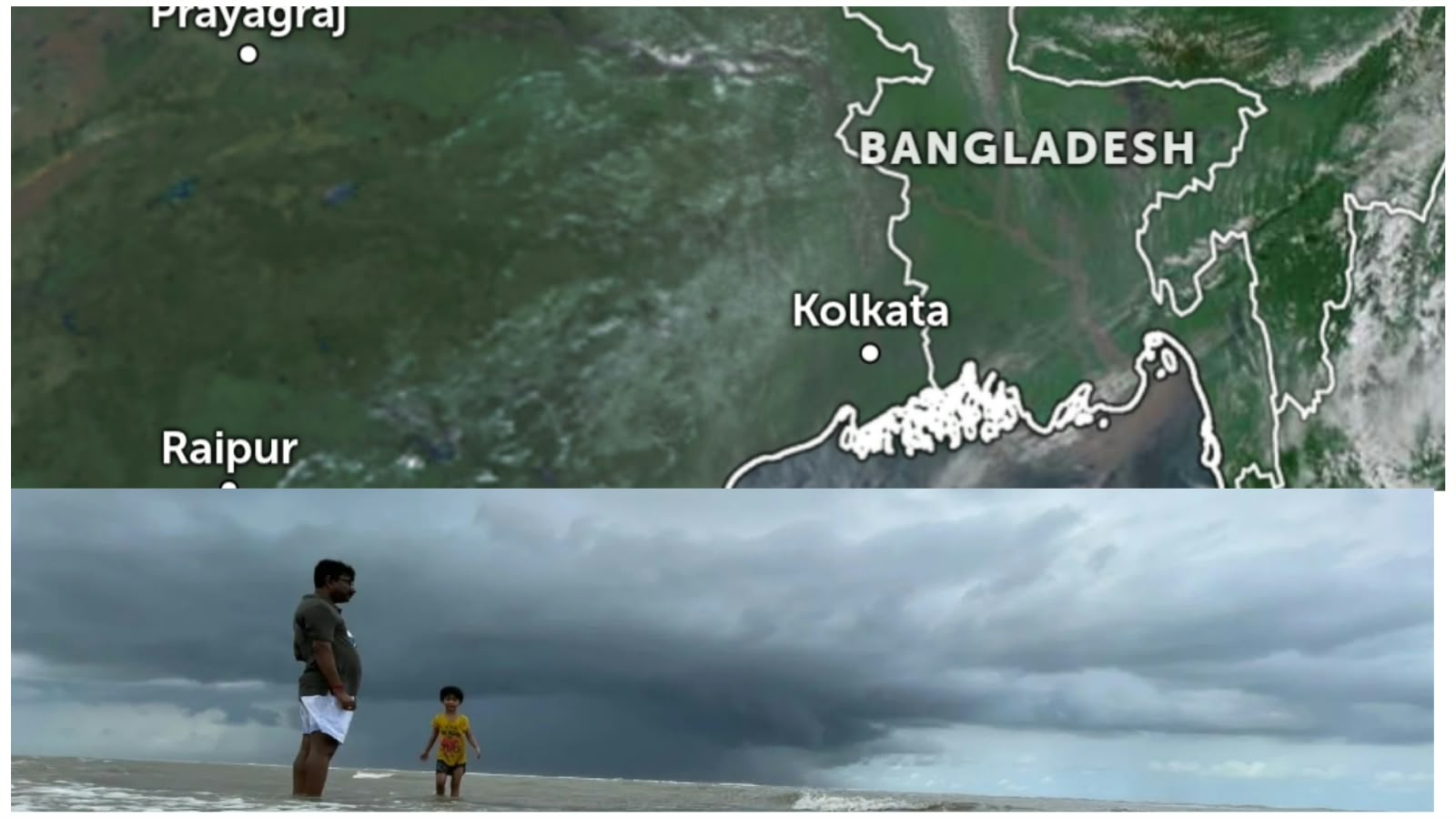
On Monday, October 19, the BMD said a low-pressure trough extends into the North Bay of Bengal. It forecast mostly dry weather with partly cloudy skies, and no rainfall was recorded anywhere in the country in the 24 hours up to 6 am. The IMD has confirmed a cyclonic circulation over the west-central Bay of Bengal. It has not issued a cyclone warning for Odisha.
Why Authorities Are Still Watching
The BMD’s monthly outlook for October said two to three low-pressure systems could form over the Bay, and one might develop into a depression or cyclone. The private forecaster Skymet said no major system was expected until October 23, but left open a possible cyclone late in October or in November. International models show no consistent signal for a strong cyclone in the final week of October. The next IMD forecast will show whether a low-pressure area actually forms.
Why Khulna and Chattogram Matter
Coastal divisions such as Khulna, Barishal and Chattogram are usually the first to feel the effects when a system forms in the Bay. Earlier lows this year brought squally winds and rain to these areas. They also led the BMD to ask the ports of Chattogram, Cox’s Bazar, Mongla and Payra to hoist local cautionary signal No. 3. Heavy rain in the hilly parts of Chattogram can also raise landslide fears.
What Residents and Fishers Should Do
- Follow official BMD bulletins and avoid unverified social media posts.
- Fishing boats and trawlers should stay close to the coast if a warning is issued.
- Coastal households should keep emergency supplies and phone chargers ready.
- Farmers with ripening crops should be ready to harvest early if forecasts change.
What Happens Next
The next few days will show whether the circulation grows into a low-pressure area. For now, authorities say conditions are being monitored, and the public should stay alert but not alarmed.
Discover More Environment With Bangla Pulse
1. Which venomous snakes are a real threat in Bangladesh, and how can people identify them?
From cobras and kraits to vipers, discover the venomous snakes found across Bangladesh and why they remain a serious concern.
2. Did you know a new island has emerged in the Sundarbans?
Explore the story behind the new island in the Sundarbans and what its appearance could mean for this fragile ecosystem.
3. Why are Bangladesh’s wild birds increasingly at risk from poaching?
Take a closer look at the illegal bird trade and poaching threatening the country’s wildlife.
4. What makes Sundarbans honey collectors enter one of the world’s most dangerous forests?
Their search for honey can bring them face-to-face with Royal Bengal Tigers. Discover why these collectors continue to risk their lives.
5. Is there more to the Sundarbans than science can explain?
From mysterious stories to local beliefs, explore the fascinating debate between science and superstition in the Sundarbans.