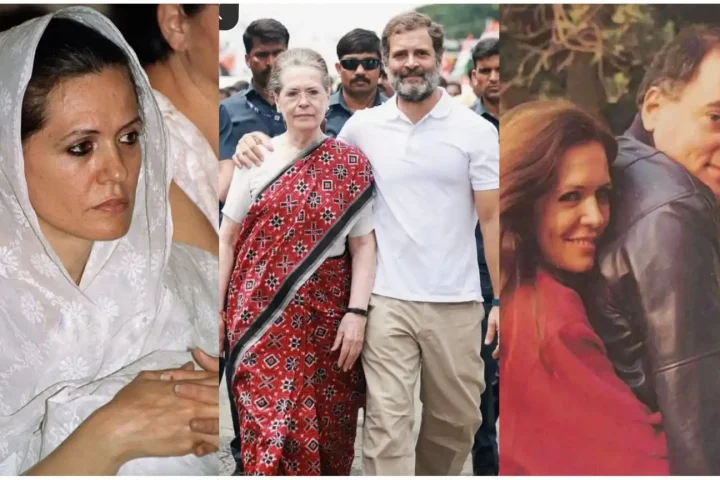

Sonia Gandhi’s new memoir, published in India by HarperCollins, offers a rare family view of the fear that shadowed Indira Gandhi in her final years. Sonia writes that Indira’s fear of being assassinated was triggered by the killing of Bangladesh’s President Sheikh Mujibur Rahman in August 1975.
A Murder on Independence Day
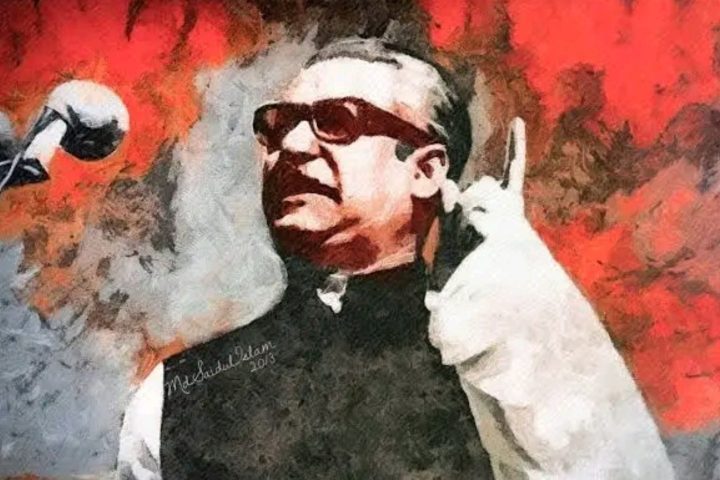
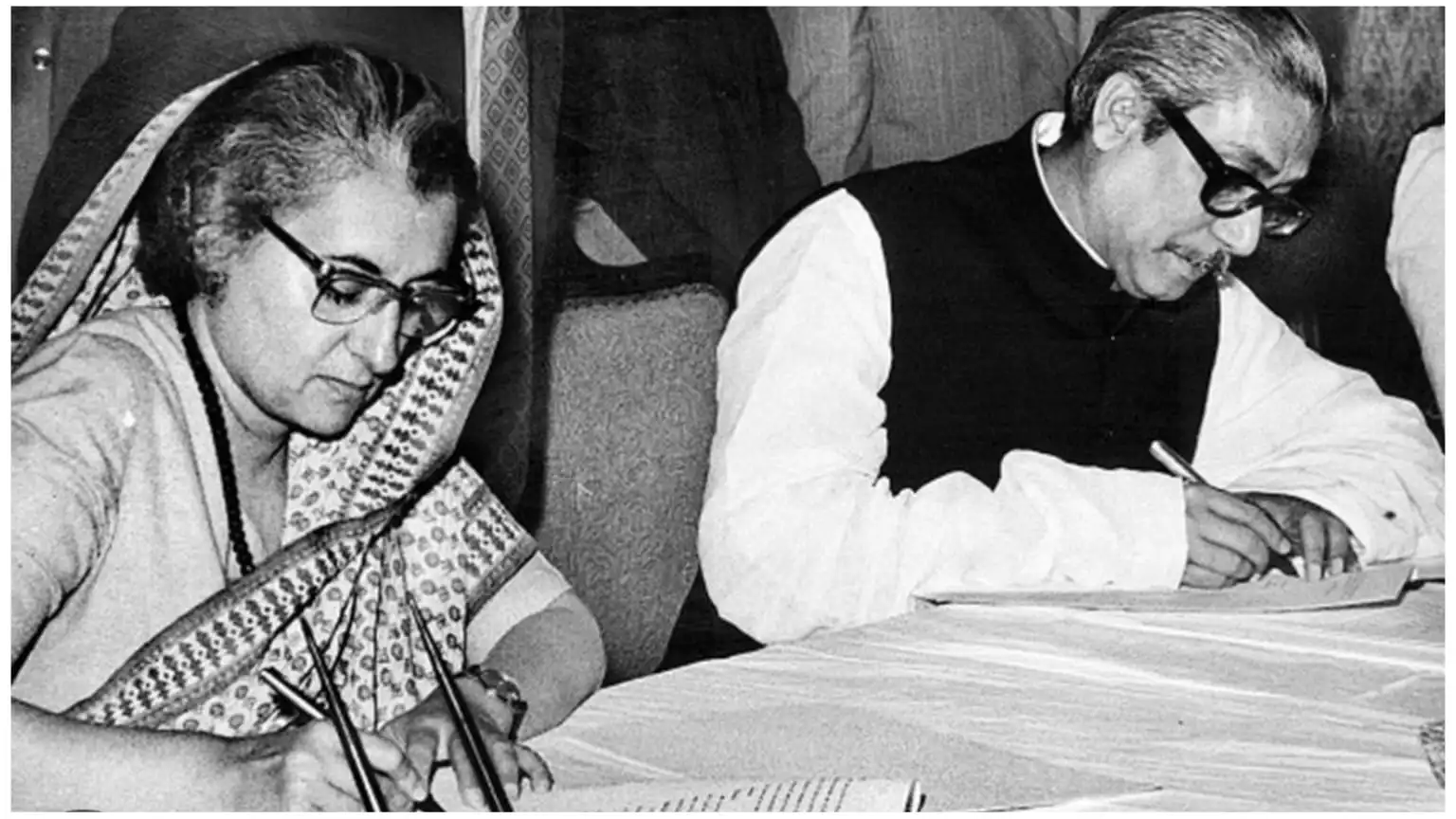
On 15 August 1975, Sheikh Mujibur Rahman, the founding leader of Bangladesh, was killed in Dhaka along with most of his family. Indira Gandhi was busy with India’s Independence Day celebrations when she was told the news. It was a heavy blow. She had stood by Mujib on the world stage during the 1971 war, and the two leaders shared a close personal bond.
What Sonia Gandhi Says About Indira’s Fears
According to the memoir, the brutality of the killing stayed with Indira. Sonia notes that Mujib’s entire family, including a boy of nine, was killed in their own home. She also points out that the date chosen for the massacre was India’s own Independence Day, and that Indira could not ignore the chance of a similar fate for herself and her family.
The timing matters. India’s Emergency began in June 1975, only weeks before Mujib’s death. Sonia’s memoir acknowledges the excesses of the Emergency, which ran from 1975 to 1977, while also showing what worried her mother-in-law during those years.
The George Fernandes Fear
The memoir also describes a more specific worry. Sonia writes that after the Emergency, Indira feared being assassinated by former defence minister George Fernandes. She cites a letter Indira wrote to social worker Fori Nehru, in which Indira said Fernandes had meant to blow her up in Banaras. Sonia ties this anxiety back to the shock of what happened in Dhaka.
Operation Blue Star and the Final Months
Indira Gandhi’s fears did come true, but not in the way she had dreaded in 1975. Operation Blue Star, carried out between 1 and 8 June 1984, was ordered to remove Jarnail Singh Bhindranwale and his militant followers from the Golden Temple complex in Amritsar. Sonia writes that Indira was filled with remorse after seeing footage of the aftermath, and that she saw tears of pain and regret on her face.
The perceived threat to her life grew after the operation. On the morning of 31 October 1984, Indira Gandhi was shot by two of her Sikh bodyguards as she walked through the garden of her residence. Sonia, who ran outside after hearing the shots, recalls crouching beside her mother-in-law in the car as she was rushed away.
Why the Link Between 1975 and 1984 Matters
It is important to read the headline claim carefully. The memoir does not suggest that Mujib’s killing led to Indira’s death. Her assassins acted in retaliation for Operation Blue Star. What Sonia describes is a lasting sense of danger that began in August 1975 and never fully left Indira. The 1975 murder showed her that even a towering national leader could be cut down by people close to him.
India’s Role in the Mujib Family’s Aftermath
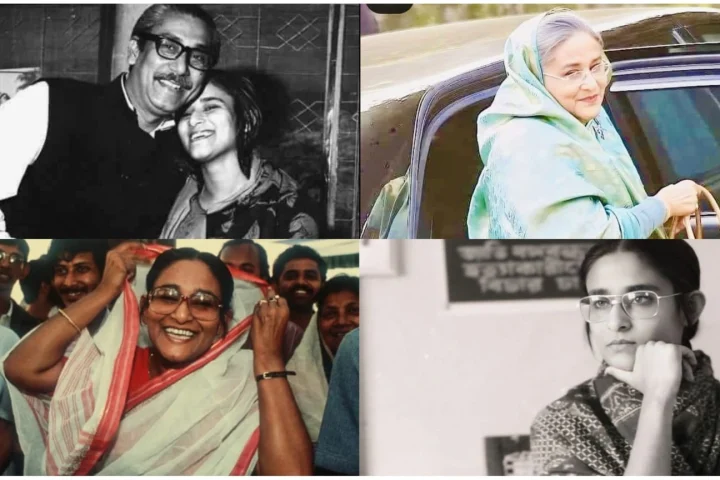
The Mujib family’s survivors also found help in India. Only two of Mujib’s family survived, his daughters Sheikh Hasina and Sheikh Rehana, and Indira Gandhi soon sent word inviting them to live in India. That gesture reflected the deep bond between the two families.
A Memoir That Adds a Personal Layer to History
Sonia Gandhi’s account adds a human layer to well-known events of the 1970s and 1980s. It shows a prime minister carrying private fear behind her public image of strength. For readers in India and Bangladesh, it is a reminder that the 1975 tragedy in Dhaka echoed far beyond Bangladesh.