
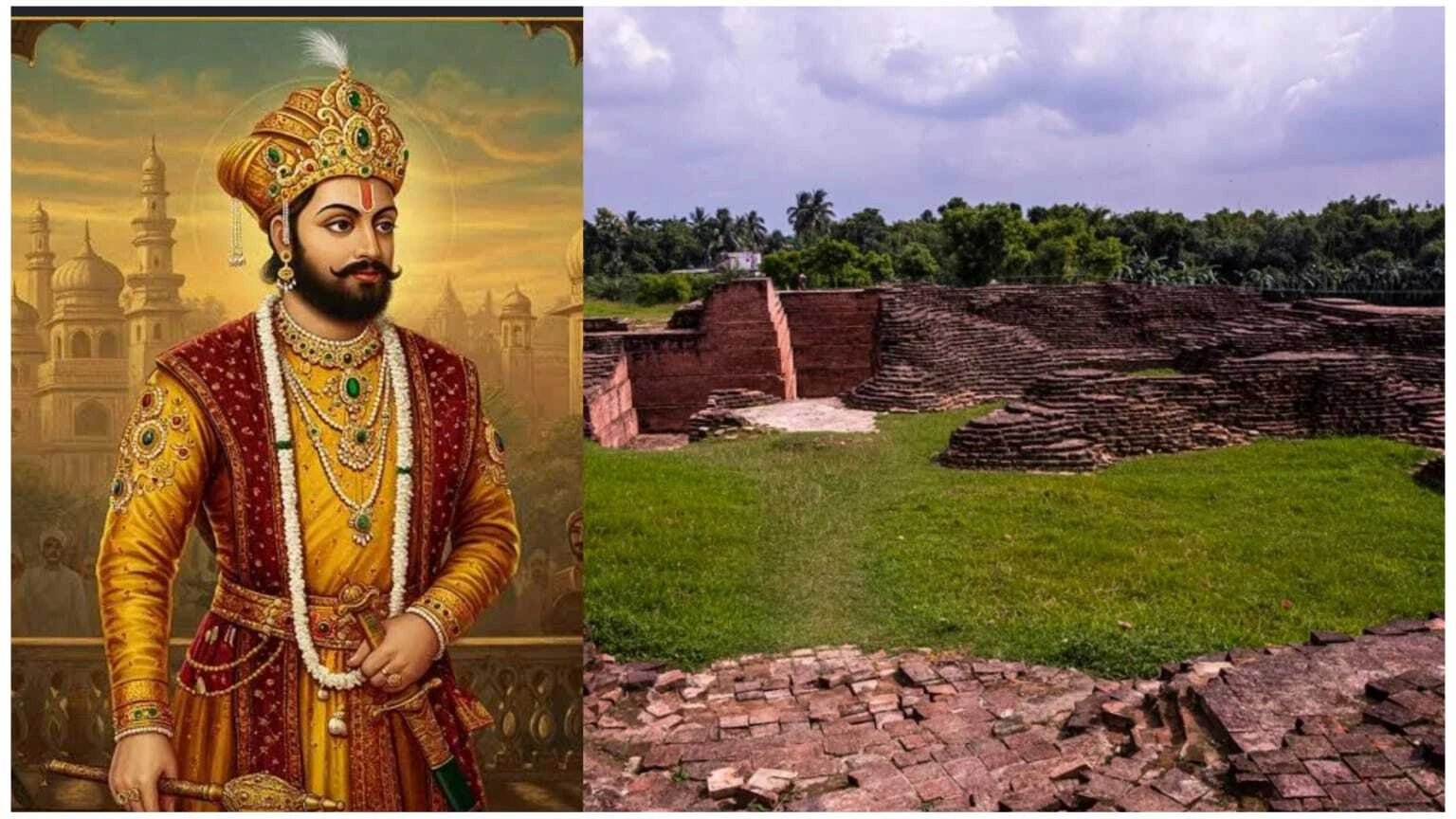
Few names in Bengali history carry as much weight as Ballal Sen. In family stories, school books and old genealogies, he is the king who shaped caste order and pushed Buddhism aside. But how much of this is documented history, and how much is tradition? The honest answer is that the legend is bigger than the evidence.
Who Was Ballal Sen?
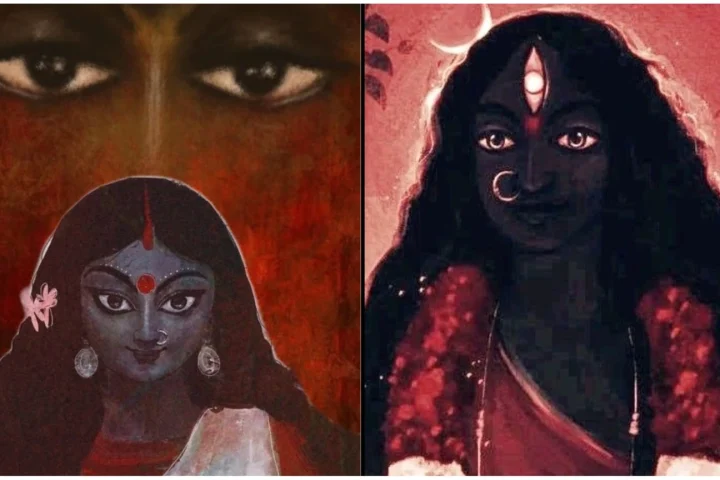
Ballal Sen was the second ruler of the Sena dynasty, which took over Bengal from the Palas. Sources give his reign as roughly 1160 to 1179 Common Era, with small differences between books. The Senas traced their origins to southern India, and the dynasty is remembered for Sanskrit learning and temple art.
Ballal Sen himself is firmly known as a scholar-king. A Sena inscription credits him with writing the Danasagara in 1168, and he began another work, the Adbhutasagara, which was completed under his son Lakshmana Sena. These books are among the strongest proofs of his real achievements.
The Kulinism Story
The tradition says Ballal Sen introduced Kulinism, a system that gave higher social rank to selected Brahmin and Kayastha families, later extended to Vaidya families. His son, Lakshmana Sena, is said to have added more rules. The main source for this story is a set of family genealogies called the Kulapanjikas.
This is where historians urge caution. These genealogical accounts are viewed with suspicion and have largely been treated as unhistorical by scholars. In other words, Kulinism as a social practice is real, and Ballal Sen’s name is firmly attached to it, but the claim that he personally created it is hard to prove.
Why the Story Stuck
Kulinism shaped marriage rules and status for centuries among Bengal’s upper castes. Over time, its rigid customs drew criticism from social reformers, which may explain why Ballal Sen became such a dramatic figure. A single king is an easier explanation for a long social process than slow change over generations.
What About Buddhism?
The Palas who ruled before the Senas were famous patrons of Buddhist monasteries. The Senas were Hindu rulers who supported Brahmanical traditions. After the change of dynasty, monasteries lost royal patronage, and Buddhism gradually lost influence in Bengal and Bihar.
But blaming one king is too simple. The decline took generations. Later political upheaval also mattered, since Bakhtiyar Khalji’s raid on Nadia during Lakshmana Sena’s reign drove the Senas to southeastern Bengal and brought the dynasty’s rule in western Bengal to an end around 1205. Historians generally describe the Buddhist decline as a gradual loss of support, not a single royal order.
A Mystery Near Nabadwip
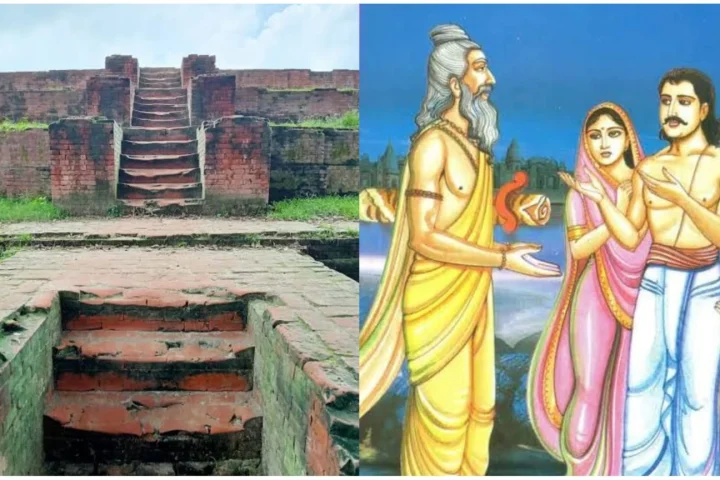
Ballal Dhipi, a ruined mound near Nabadwip in Nadia, is named after him and may have been part of the Sena capital. Yet the site is listed as a Buddhist vihara, a reminder that the story of Hindu and Buddhist Bengal was more tangled than one-sided accounts suggest.
So, Did He Change Bengal Forever?
Partly, yes, and partly in memory. The documented Ballal Sen is a learned ruler who consolidated Sena power and wrote important Sanskrit works. The legendary Ballal Sen, who engineered caste order and ended Buddhism, grew out of later tradition. Both versions matter, because what a society remembers about its kings often shapes it as much as what they actually did.