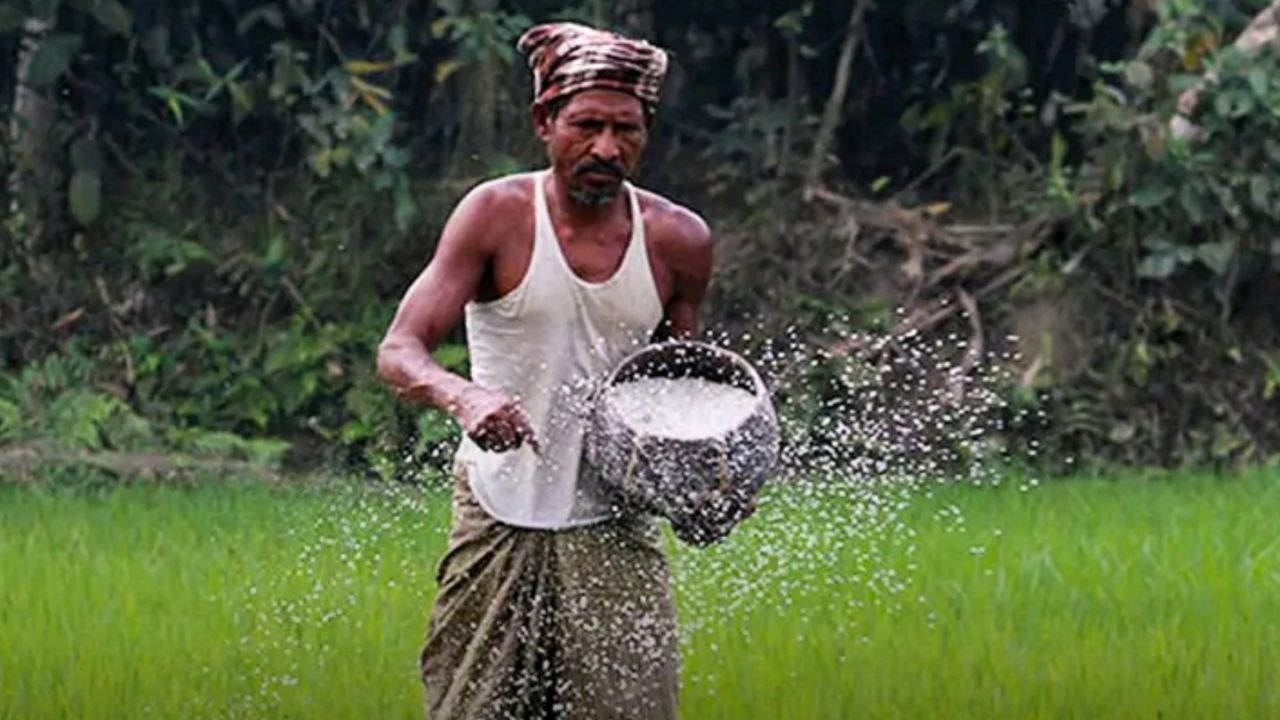
Fertiliser subsidies consume nearly 80 per cent of Bangladesh’s agriculture ministry budget, according to a policy note by the International Maize and Wheat Improvement Centre, citing a June 2026 World Bank assessment. The finding highlights a long-standing pattern in how the country spends its farm budget, with one input dominating support while other parts of the sector are left with comparatively little.
Bangladesh allocates around 10 per cent of total public spending to agriculture, a share the World Bank says reflects the sector’s importance to the economy. Yet within that allocation, the balance is heavily skewed. The crop sector alone receives about 85 to 90 per cent of total agricultural subsidies, even though it has grown more slowly than other subsectors in recent years.
Rice Dominates, Other Sectors Lag
Rice occupies around 72 per cent of Bangladesh’s cultivated land and receives roughly 80 per cent of subsidy benefits, despite the crop sector’s average growth of about 2.5 per cent. By comparison, fisheries, livestock and poultry have grown at rates between 3.5 and 5 per cent, but receive little to no direct subsidy support, relying instead on indirect measures such as tax holidays, electricity rebates and feed import duty waivers.
Who Actually Benefits
The subsidy structure also raises equity concerns. Because support is tied to the volume of fertiliser purchased, larger landholders capture a disproportionate share of the benefits. World Bank findings show the top 20 per cent of landholders receive about half of all fertiliser subsidy benefits, while the bottom 40 per cent receive only around 15 per cent. Only about 5 per cent of farmers apply a balanced mix of nutrients within recommended levels, a pattern researchers describe as highly imbalanced.
Import Dependence Adds Pressure
Bangladesh imports around 75 to 80 per cent of its fertiliser requirements and fixes retail prices before each season, which means global price shocks translate directly into pressure on the public budget. In the FY2026-27 national budget of 9.38 trillion taka, the agriculture ministry received 288.8 billion taka, with fertiliser subsidies remaining largely unchanged at around 170.01 billion taka.
A Slow Shift Toward Rebalancing
There are early signs of change. The FY2026-27 budget reduced direct cash subsidies slightly for the first time, alongside a sharper increase in development spending aimed at productivity, climate resilience and market connectivity. Agriculture Secretary Mohammed Aminur Rashid said the World Bank’s findings would help guide efforts to restructure public spending toward more balanced, quality-driven growth.
Discover More Stories Worth Your Time
Explore Avengers’ Box Office Journey?
Discover how Avengers: Endgame performed worldwide, including domestic and re-release earnings.
Discover 5 Hilsa Recipes To Try?
Explore five delicious ways to enjoy Bangladesh’s iconic hilsa before the season ends.
See How Cox’s Bazar Airport Expands?
Learn how the new terminal supports Bangladesh’s growing aviation ambitions and regional connectivity.
Uncover What Happens After Islands?
Discover how mangroves could become the first colonisers when new land emerges in the Sundarbans.
Check Why Rooppur Shipment Was Disrupted?
Explore how Pakistan’s airspace clearance decision affected the planned nuclear fuel shipment to Bangladesh.
Why Price of Fertilisers Matters
With nearly 45 per cent of Bangladesh’s labour force tied to agriculture and more than 70 per cent of rural households depending on it as a primary income source, how this budget is spent has direct consequences for millions of livelihoods. Economists argue that modernising fertiliser subsidy design could free up foreign exchange, improve soil health, and better target support toward farmers who need it most, while giving fast-growing subsectors like fisheries and livestock room to expand.
FAQs
Why Do Fertiliser Subsidies Take Up So Much of the Agriculture Budget?
Fertiliser subsidies are tied to purchase volume and are seen as essential for maintaining food security and price stability, particularly for rice, which occupies the majority of cultivated land. This has made it the largest and most entrenched form of agricultural support over time.
Who Benefits Most From These Subsidies?
Larger landholders benefit disproportionately since subsidy amounts scale with the volume of fertiliser bought. The top 20 per cent of landholders receive about half of total benefits, while the bottom 40 per cent receive only around 15 per cent.
Why Do Livestock and Fisheries Get Less Support Despite Faster Growth?
These subsectors have historically been treated as lower priority in direct subsidy terms, even though they have grown faster than crops in recent years. They rely mainly on indirect support like tax breaks and import duty waivers rather than direct subsidies.
Is Bangladesh Planning to Change This Spending Pattern?
The FY2026-27 budget shows early movement, including a slight reduction in direct cash subsidies and increased development spending on productivity and climate resilience, though fertiliser subsidy levels remain largely unchanged for now.
How Does Fertiliser Import Dependence Affect the Budget?
Since Bangladesh imports around 75 to 80 percent of its fertiliser and fixes retail prices in advance, sudden increases in global fertiliser prices can significantly raise the cost of maintaining subsidies, putting extra strain on the national budget.