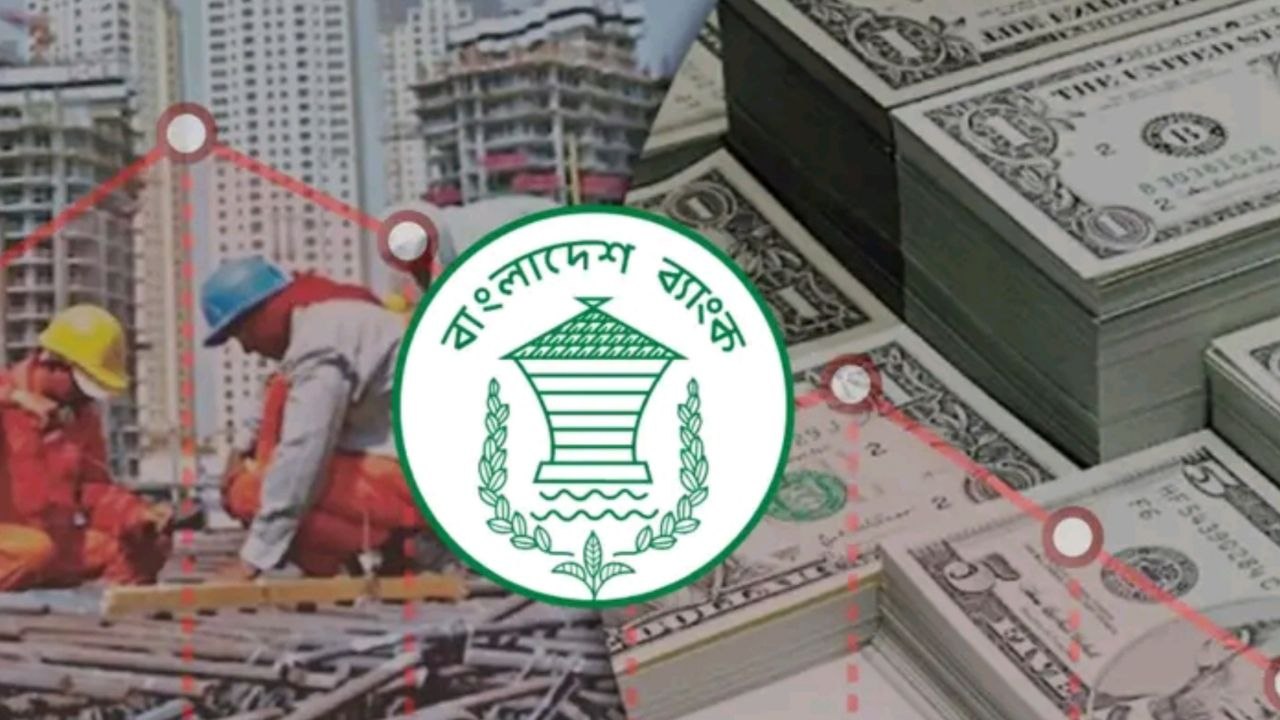
Bangladesh has made a good start in FY27. Between July and September 2026, expatriates remitted $8.79 billion, a significant rise compared to the corresponding period last year. That’s a good sign for the economy of a country that depends heavily on money sent home by workers.
Why the Numbers Are So Good
The vast majority of months in this quarter brought in well over $2.8 billion with a couple nearing $3 billion. July and August were especially good months, with August alone accounting for nearly $3 billion. September was slightly cooler, marking the lowest month in almost a year — but even with that decline, the overall three-month total still showed double-digit growth over last year.
And there are a couple of things that are driving this. Bangladesh Bank has applied pressure on informal channels such as hundi, forcing more people to send money through official banking channels. And exchange rates have been more stable too, giving families more confidence that sending money home the legal way gives them a fair deal.
A Worth Watching Slowdown
However, the month-by-month picture is not all smooth sailing. After six straight months of topping $3 billion earlier this year, inflows fell below that line in June and stayed there through the quarter. September’s figures were the weakest in almost a year. It’s not a red flag yet, but it’s a trend to watch as we move into the months ahead.
Discover More Stories Worth Your Time
Explore How SSC Exams Began?
Discover how nearly 19 lakh students are participating nationwide in the 2026 SSC exams.
Check Why UV Index Dangerous?
Explore why today’s UV level has reached extreme risk across Bangladesh.
See How Business Setup Easier?
Discover how the new investment agency merger simplifies starting a business.
Find Why Truck Fares Jumped?
Explore what’s driving the sudden Tk 10,000 increase in Chittagong logistics costs.
Learn Which Bangla Songs Trending?
Discover the fresh modern Bengal tracks gaining popularity this month.
Why it matters for Bangladesh
Remittance is not a figure in a spreadsheet. It is one of the biggest pillars that uphold Bangladesh’s foreign exchange reserves. More money coming in means room to pay for imports and keep the economy steady. The momentum shows that while it isn’t accelerating at quite the same rate, it hasn’t slowed down this quarter, after a record-setting year in FY26, when the country brought in more than $35 billion for the first time ever.
Bangladesh could be set for another good year in remittances if the current trend continues, although growth could settle down to a more steady, less explosive pace than the highs seen earlier in 2026. It will depend largely on how exchange rates evolve and whether the push to formal banking channels continues to pay off.