
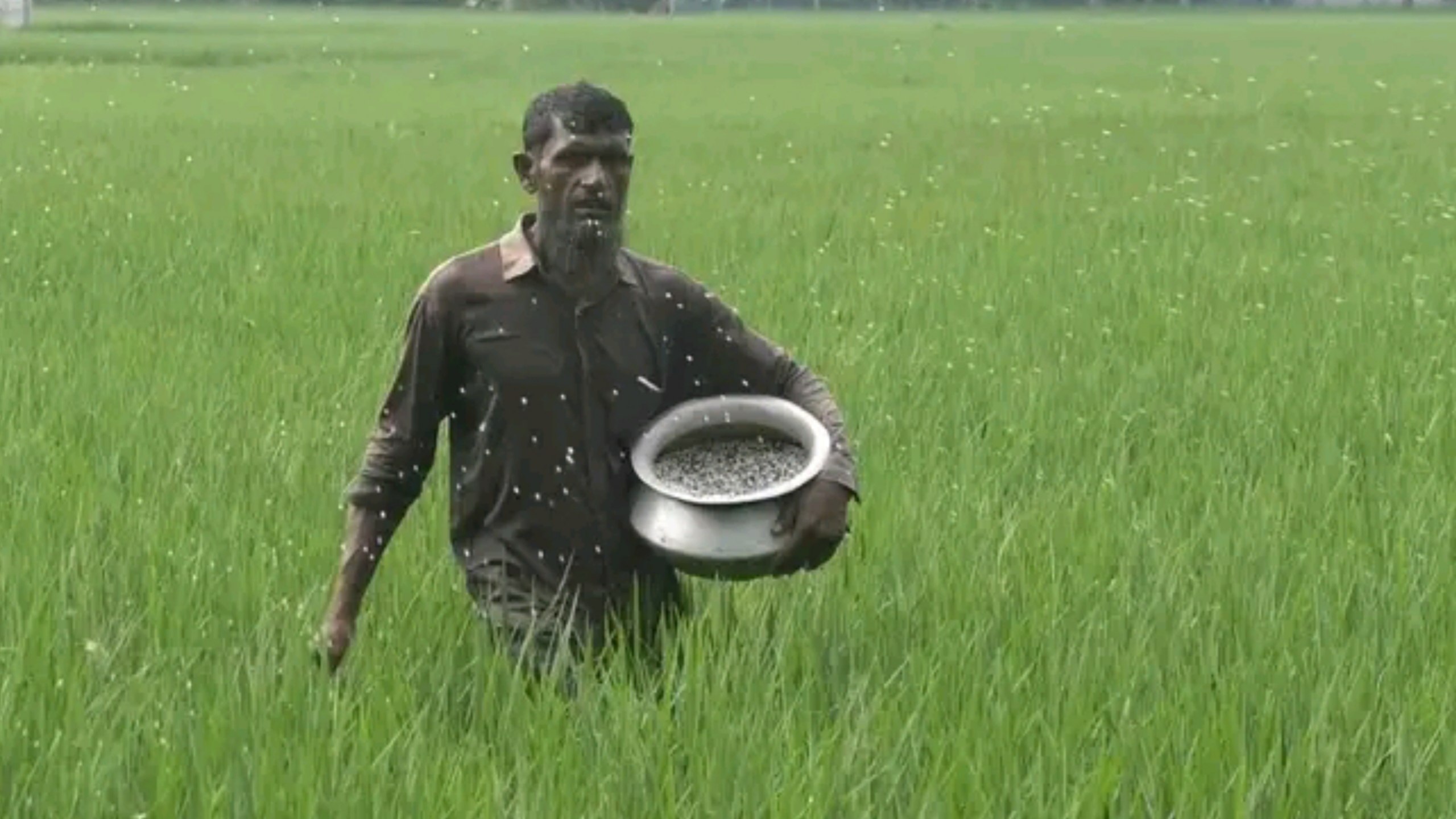
As the Aman cultivation season continues, several officials claim that national stocks are still more than adequate to meet demand. The government of Bangladesh is taking steps to assuage mounting fears among farmers over the availability of fertiliser.
Officials point to stock numbers in concrete terms
There was no overall fertiliser shortage in the country, Prime Minister’s Adviser for Information and Broadcasting Dr Zahed Ur Rahman told a weekly press briefing at the Secretariat. Bangladesh’s stock of fertilisers stood at 482,200 tonnes of urea, 369,000 tonnes of TSP, 368,000 tonnes of DAP and 146,000 tonnes of MOP — a total of 1.365 million tonnes as of August 24.
The report said there were another 865,000 tonnes of fertiliser at the import stage, comprising 210,000 tonnes of TSP, 280,000 tonnes of DAP and 375,000 tonnes of MOP. To further boost supply, the government has approved fresh imports of 60,000 tonnes of TSP, 120,000 tonnes of DAP and 115,000 tonnes of MOP.
Local Shortages Blamed On Distribution, Not Supply
Dr Zahed identified the major factor behind the temporary shortages reported in some areas as some traders not drawing down their allocated fertiliser quotas. He said the government was taking tough action to solve these localised distribution problems.
Agriculture minister reaffirms assurance
Agriculture and Fisheries and Livestock Minister Mohammad Amin-ur-Rashid separately said that the country was not facing any supply shortage and a vested group was trying to create an artificial fertiliser crisis.
The government has taken all necessary steps to ensure uninterrupted supply to farmers, he said. Fertiliser stocks this year have been higher than the previous year.
Message repeated by other ministers
There have been assurances right across the government. Minister for Disaster Management and Relief Asadul Habib Dulu urged people to be alert to the rumours of an artificial crisis, saying stocks were enough to meet the needs of the farmers.
Minister of State for Water Resources Farhad Hossain Azad also warned of strict action against anyone involved in manipulating the supply of fertiliser, regardless of their political affiliation.
Discover More Stories Worth Your Time
Explore Why Colombia Declared Emergency?
Discover what the powerful earthquake means for Colombia and the latest emergency response.
Check Why Jaya’s Sarees Trend?
Discover why Jaya Ahsan’s elegant saree looks continue captivating fans online.
See Where Hasina’s Crisis Leads?
Explore the accountability debate surrounding Hasina, India, and Bangladesh’s political future.
Find Which Airport Hotels Fit?
Discover convenient hotels near Dhaka Airport for short layovers and overnight stays.
But the structure is still wrong
But agricultural economists have also highlighted longer-term vulnerabilities, despite the assurances. Bangladesh relies on imports for around 80 per cent of its urea needs, with local production meeting a small part of the demand, leaving the country vulnerable to global price swings and supply interruptions.
But the real test would come in the winter vegetable and Boro seasons when fertiliser demand usually grows further, analysts said. Consistent imports and efficient last-mile distribution will be critical to avoid the kind of localised shortages being reported now in some districts.
Summary: Senior Bangladeshi government figures, including the Prime Minister’s Adviser for Information and Broadcasting and the Agriculture Minister, have told farmers that the country’s fertiliser stocks are sufficient and that any local shortages are the result of distribution problems, not a real crisis of supply.