A number of climate scientists are increasingly sounding the alarm that the next El Niño event—scheduled for 2026–27—has the potential to be far stronger than usual, creating similar conditions to and a zeitgeist reminiscent of the terrible “Great Famine” of 1876-1878.
The Great Famine of 1876-1878 was an incredibly deadly climatic event, with devastating effects felt throughout British India and parts of present-day Bangladesh.
To understand what this warning means for us today, it is important for us to consider the circumstances of the Great Famine of 1876-1878, the impact it had on India at that time, and how its effects could repeat themselves in South Asia today.
What Happened in 1877?
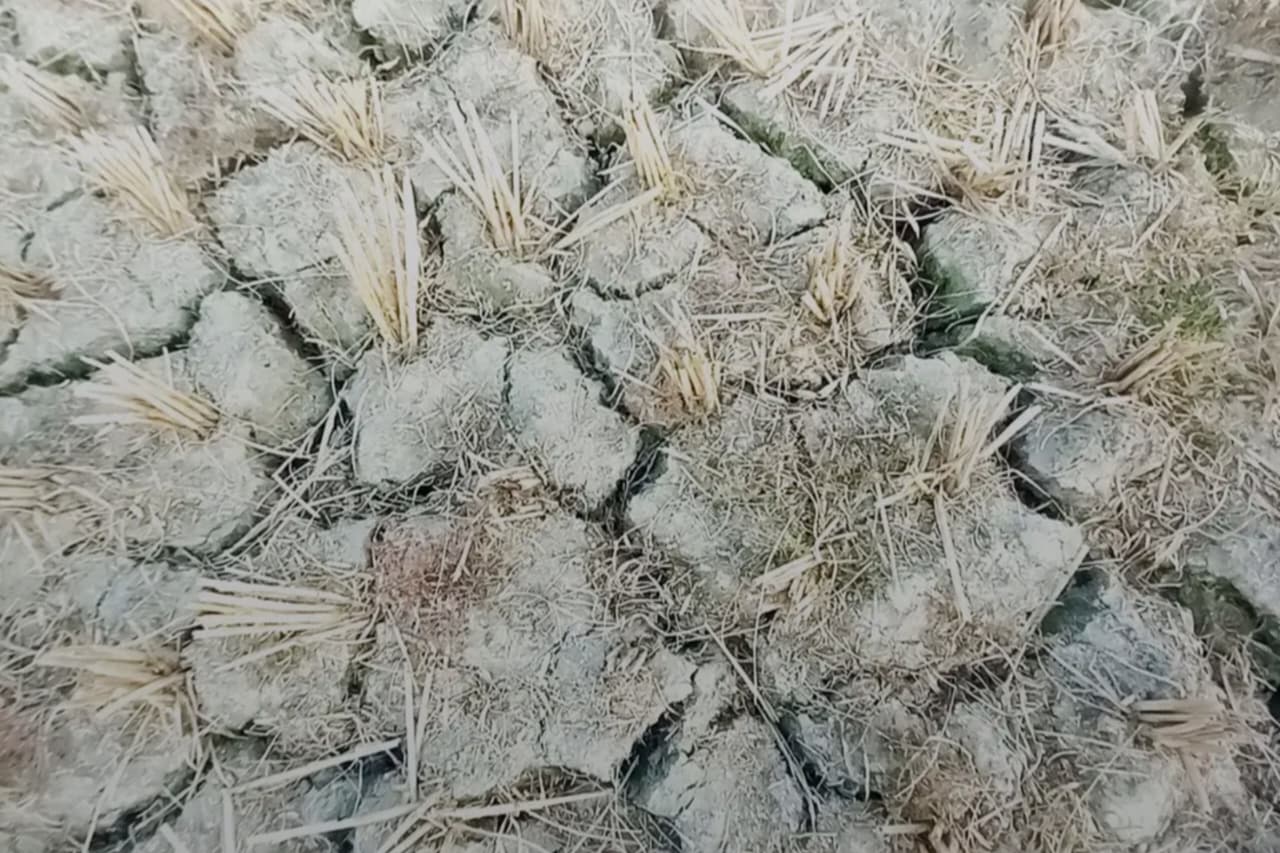
The famine of 1876-1878 was generated by a climate cycle known as El Niño-Southern Oscillation (ENSO). The peak year of this climate cycle occurred in 1877, and it was during this year that the monsoon rain was completely absent in many locations across the Indian subcontinent.
Some of the most significant impacts of this ENSO event were:
1. Monsoon failure: Rainfall was greatly reduced, particularly in the central, western and southern parts of India.
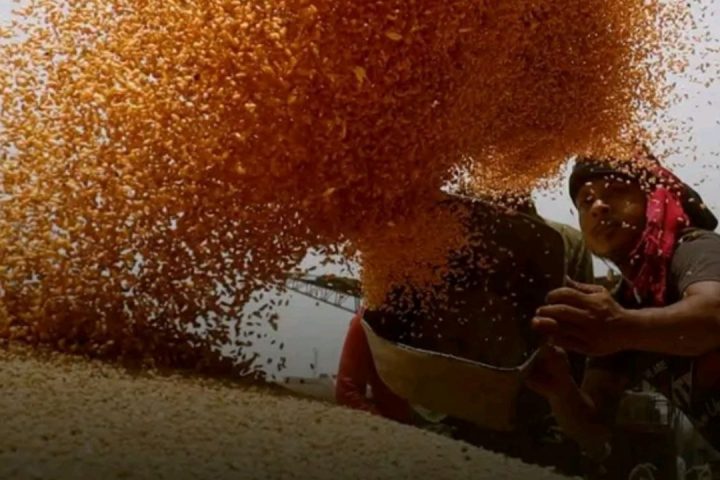
2. Crop loss: Staple crops such as rice, wheat, and millets were severely impacted by prolonged drought.
3. Mass starvation: Food scarcity rapidly increased, leaving millions at risk of starvation.
4. Disease epidemics: Hunger led to an increase in malnutrition and subsequently an increase in diseases such as cholera and malaria.
Estimates suggest that between 5 and 10 million people perished across British India throughout the Great Famine. In the Bengal region (which includes what today is Bangladesh), there were similarly decreased crop yields and rising food prices; however, the vast majority of deaths occurred in the southern and western areas of India.
Discover More Stories Worth Your Time
Explore Gulshan’s Best Rooftops Tonight?
Discover the top dining spots in Gulshan for a perfect weekend evening with stunning views.
Check Can Tk 1500 Work?
Explore a healthy 7-day Dhaka meal plan that fits a tight college student budget.
See Why Youth Votes Faded?
Discover how Bangladesh’s youth protests struggled to convert momentum into electoral success.
Find Are Banks Open Today?
Check what customers in Bangladesh need to know about today’s banking hours and services.
Discover Sreemangal’s Best Tea Snacks?
Explore the must-try local bites that perfectly complement a tea stop in Sreemangal.
Impact on India in 1877
British rule created numerous issues for people around the world through its failures to govern properly and manage resources effectively.
- Exportation of food continued, despite the fact that there was an acute shortage of food within India.
- Food given as part of relief efforts (although minimal) had very restrictive labour requirements attached to them.
- Railways shipped food to places that were out of food, but only to create a market.
- States such as Madras (now Tamil Nadu), Mysore, and parts of Maharashtra were the hardest hit by these policies. In addition, they experienced the crushing ramifications of being completely dependent on yearly monsoon rains – a reality in today’s India.
The Bengal area of the sub-continent (previously included present-day Bangladesh) did not experience the same death toll as southern India did in the 1877 famine; however, it was not left unscathed. Rainfall levels dropped, causing a decrease in the number of rice tons being harvested.
- As food became scarce in Bengal, prices rose dramatically, making even simple foods difficult for most people to pay for.
- Although rivers and small irrigation systems created temporary protection for many areas from having a complete animal-human collapse, this protection was limited. This would eventually lead up to the horrific Bengal Famine in 1943, when, once again, in the region, food insecurity would be exacerbated by British rule.
What Could Happen in 2026–27?
The world is changing rapidly, but in today’s society, that change is occurring with more uncertainty than ever before. Evidence suggests that a significant El Niño event occurring with increased global warming has the potential to exacerbate the level of risk we face globally.
Impacts for India:
- Less Rainfall During Monsoons → Less agricultural yields (particularly rice, pulses and sugar cane)
- Increased Intensity of Heat Waves → Increased strain on water supply, electric supply and health care services.
- Increased Food Inflation → Greater Economic Pressure on Households
- Increase in Distress in Rural Areas → Increased Migration and Job Creation
Impacts for Bangladesh:
- More Erratic Patterns of Rainfall → Increased Occurrence of Both Droughts and Flash Flooding
- Increased Risk of Lower Rice Production → Riskiest Crops will be Aman and Boro rice
- Increased Water Strain in Some Areas of Bangladesh; however, Many Bangladeshis live near Rivers (i.e. water source for millions).
- Increase in People Moving due to Climate Change.
Why This Time Could Be Worse
Today, risks are higher than in 1877 because of:
- The effects of climate change are causing higher average temperatures,
- Many more people are now reliant upon the use of the same local resources,
- A diminishing quantity of accessible water due to drought, depletion and poor quality (e.g., groundwater stores),
- The reliance upon lengthy international supply chains for access to food and supplies.
The good news is that today there are more advantages than those available in 1877:
1) Improved forecasting;
2) USA and India both maintain government inventories of major food grains;
3) Established systems to respond to disasters;
4) Established networks to provide international financial assistance.
Conclusion
Both of these historical events were examples of ‘natural disasters’; however, 1877 was about climate shock and the human failure of the government to manage such climate risk. The same set of problems now exists as a result of El Niño for these same countries to manage the potential for humanitarian disaster resulting from the impacts of climate change.
These warnings are there; the key difference will depend on the degree to which the countries have implemented the necessary level of risk management strategies based upon prior experience.