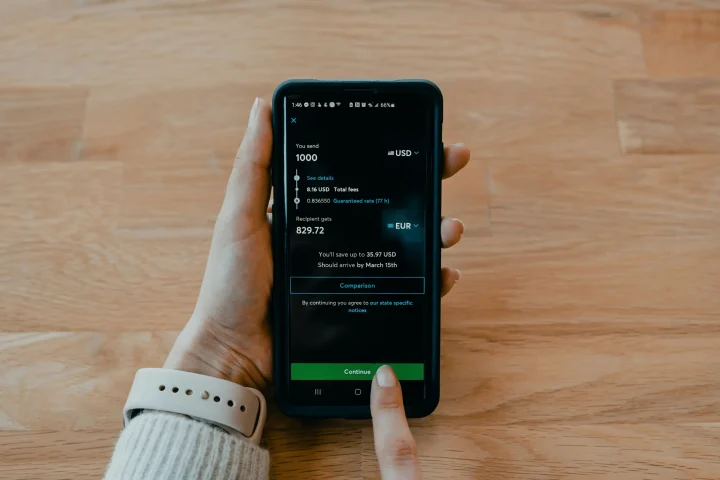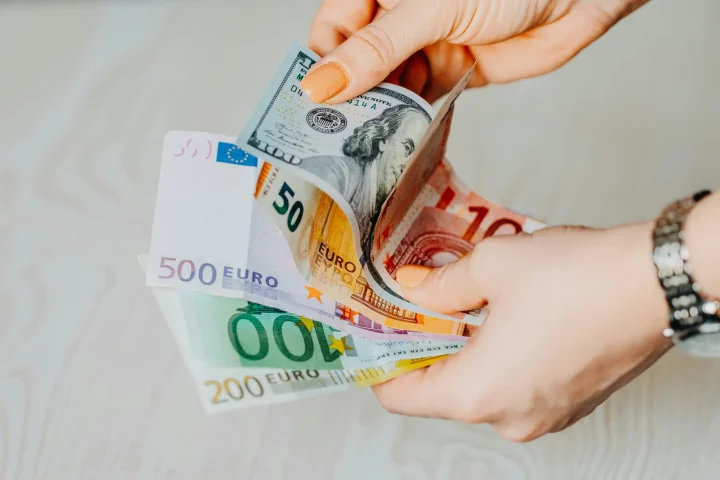

The Middle East is the single biggest source of remittance inflows to Bangladesh, with Saudi Arabia, the UAE, Qatar, Oman, Kuwait and Bahrain sending home billions of dollars every year. For most expat workers, the real question is not just which service gets a person’s money there fastest, but which one gets the most taka into a family member’s hands. This will depend on three things – the exchange rate you are offered, the fee charged for the transfer and whether the transaction qualifies for the government’s cash incentive.
What is the 2.5% Government Incentive?
Bangladesh Bank provides a 2.5% cash incentive for remittances sent through officially licensed banking channels, mobile financial services, or money transfer operators. The incentive remains active and unchanged since it was increased from 2% in 2022, and there is no minimum transfer amount to qualify, although the bonus itself is generally capped at BDT 500,000 per recipient per year. The only way to give up this bonus is if you send it through hundi or informal cash networks, which also carry a real risk of the money never arriving at all.
Comparison of key transfer options
Mobile wallets (bKash, Nagad, Rocket, Upay): Funds typically arrive in minutes and are fully eligible for the government incentive. bKash offers remittance transactions upto BDT 250,000 per transaction and cash-out from partner ATMs at only 7 taka per thousand.
Bank deposit: Deposit into any Bangladeshi bank account including Sonali, Isalmi bank, BRAC Bank, Dutch-Bangla or City Bank usually within 1-2 working days. The route is often the cheapest for larger amounts and is eligible for the incentive in full.
Cash pickup: Can be picked up within minutes at bank branches and agent points across the country. Useful for recipients without a bank account or a wallet, but usually slightly costlier than a direct deposit.
Exchange houses in the Gulf are: These are licensed formal channels used broadly by workers in Saudi Arabia, UAE and Qatar for in-person transfers to a bank, wallet or cash pickup point and also qualify for the incentive.
What Really Drives the Lowest Cost
A transfer advertised as “zero fee” doesn’t automatically mean it’s the cheapest option. The real comparison is the final BDT the beneficiary receives after the fee, plus the exchange rate markup, plus the 2.5% bonus, as many providers make their margin by marking up the exchange rate, rather than charging a visible fee. It’s worth comparing the total payout across two or three providers before sending, especially if you are moving larger monthly amounts.
Practical Tips to Get the Best Rate
- Send via a licensed bank, mobile financial service or registered money transfer operator. Never send via unlicensed agent or hand-carried cash.
- Don’t just compare the advertised fee; compare the final BDT payout
- Use bKash or Nagad for quick family support, and bank transfers for larger sums
- Keep receipts for transfers – these are proof of eligibility for the government incentive
- Stay clear of hundi networks altogether; there is no recourse if money is lost and the 2.5% bonus is lost
Final Thoughts
The cheapest way for Bangladeshi workers in the Middle East to send money home is often not the flashiest app promotion. It is a mix of a fair exchange rate, a licensed formal channel and an automatic 2.5% top-up by the government. The best way to ensure more money gets home is to check the actual payout between two or three services before every transfer.
FAQs
Which is cheaper: bank transfer or mobile wallet like bKash?
Bank transfers can be cheaper for larger sums as fees are usually flat rather than a percentage, while mobile wallets are better for smaller, urgent transfers as they are delivered almost instantly.
Do all Middle East countries offer the same remittance costs to Bangladesh?
No. Rates vary by country and provider depending on how much competition there is in the exchange house and local regulation, so it’s worth comparing rates from providers in the UAE, Saudi Arabia and Qatar separately rather than assuming they are the same.
If I do it through an exchange house instead of a bank, do I lose the 2.5% incentive?
No, if the exchange office is officially licensed. It is not only banks that can get the incentive but any formal, registered channel.
What is the safest alternative to hundi for urgent family transfers?
The fastest legal method is usually to send money through a mobile wallet, such as bKash or Nagad, which can often reach the recipient within minutes and still qualify for the government bonus.
Summary
A cost comparison guide for Bangladeshi expatriates in Saudi Arabia, UAE, Qatar, Oman, Kuwait, and Bahrain on the cheapest legal ways to send remittances home, covering mobile wallets, bank transfers, exchange houses, and the government’s cash bonus.