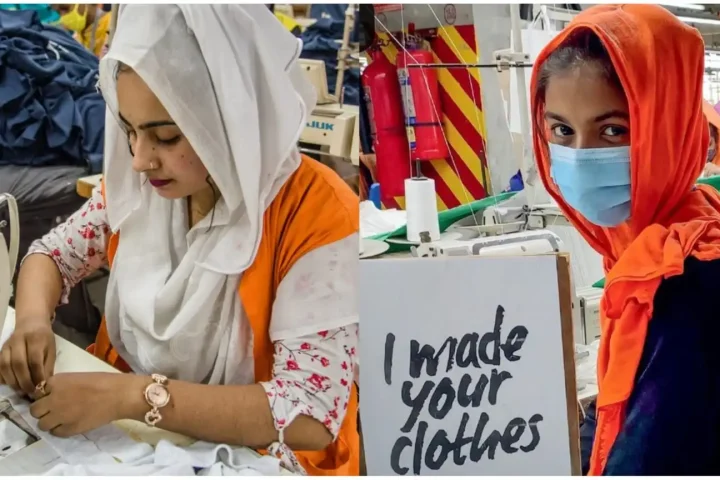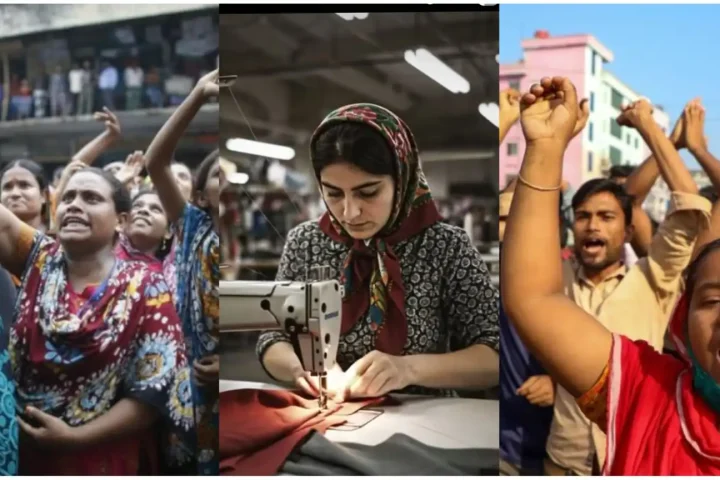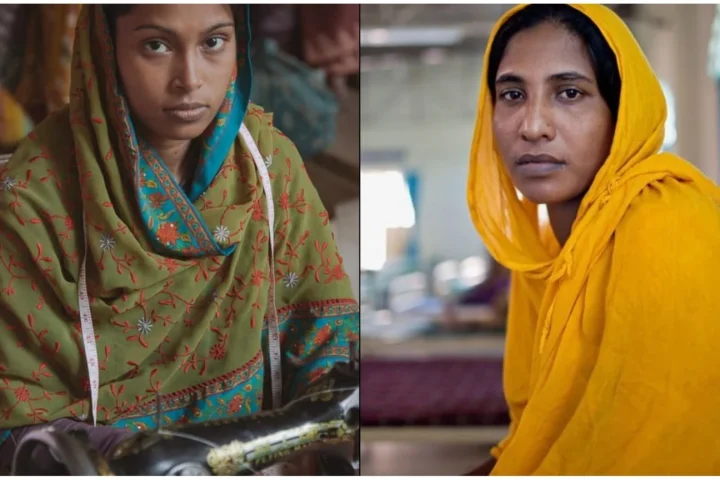

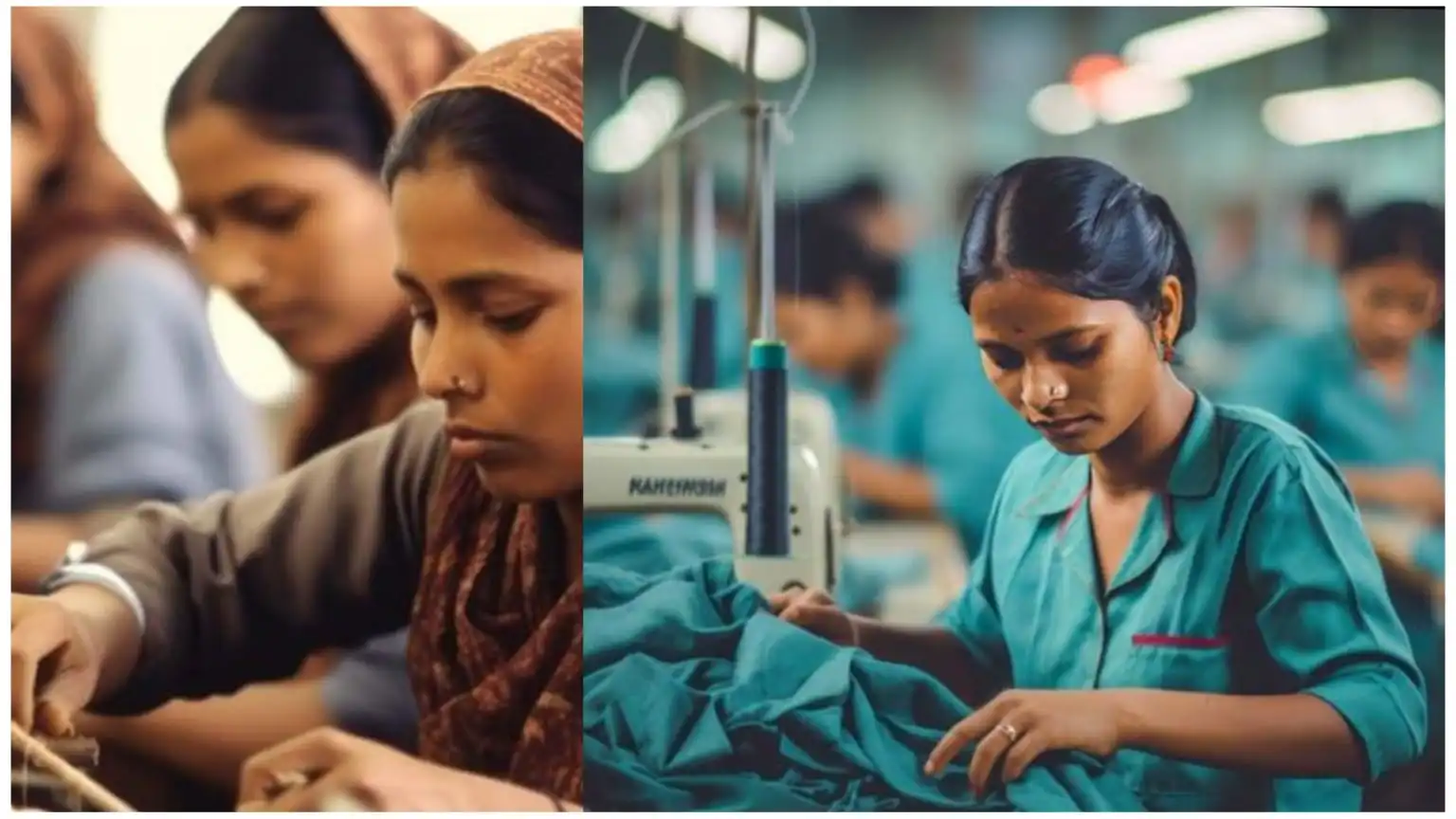
Production stayed suspended at 118 industrial units today as factory owners finalise a minimum wage proposal for garment workers. The shutdowns come at a tense moment for the ready-made garment sector, which employs about four million people and brings in more than 80 percent of Bangladesh’s export earnings.
What Is Happening on the Ground
The unrest has hit the main industrial belts of Savar, Ashulia and Gazipur. The Bangladesh Garment Manufacturers and Exporters Association (BGMEA) said 147 factories could not operate on Saturday, and 55 of them were formally shut under Section 13(1) of the Bangladesh Labour Act 2006. By Sunday, the number of factories closed indefinitely under that provision had reached 65, while production was halted at 121 units. Under this section, workers are not paid wages for the days a factory stays closed because of unrest.
The Gap Between Owners and Workers
The current minimum wage is Tk12,500, set in November 2023. Workers are demanding between Tk30,000 and Tk32,000 a month. Owners have not disclosed their figure, but industry sources suggest it may be around Tk15,000. Several BGMEA leaders reportedly feel that anything above Tk14,000 would be unsustainable. The gap is wide, which is why the talks are likely to be difficult.
Role of the Wage Board
The government has formed a six-member wage board to review the minimum wage. Owners say protests have continued even after its formation, and they accuse some groups of pressing for an unreasonable increase. Workers’ representatives say the demand simply reflects the rising cost of living.
What Comes Next
Owners want the issue settled within November so that factories can reopen without delay. A revised wage structure is expected to apply from 1 December. Until a deal is reached, more closures cannot be ruled out, and workers who lose pay during shutdowns may find it harder to manage household expenses.
For international buyers, the main worry is delayed shipments. For workers, the question is whether the new wage will match what they spend each month. Bangla Pulse will keep tracking the wage board’s next steps.