The 50th anniversary of the Bangla Academy Boishakhi Mela is indeed a very special event. For the citizens of Bangladesh, this event represents much more than just a festival. It is also the point where all aspects of culture, traditions, and trade collide in celebration of Pahela Boishakh, the celebration of the new year.
The history of this mela began in 1977 for very basic but very important reasons; it began as a way to connect the rural craftsman to the city customers. Over the years, it has grown into one of the most anticipated events in honour of the Bengali new year, highlighting the local craftsmanship and small businesses that exist in abundance.
The golden jubilee celebrations began on April 14, 2026, with festivities continuing for 7 days. The mela is open from 10 a.m. until 7 p.m. each day, giving attendees ample opportunity to see and participate in this event.
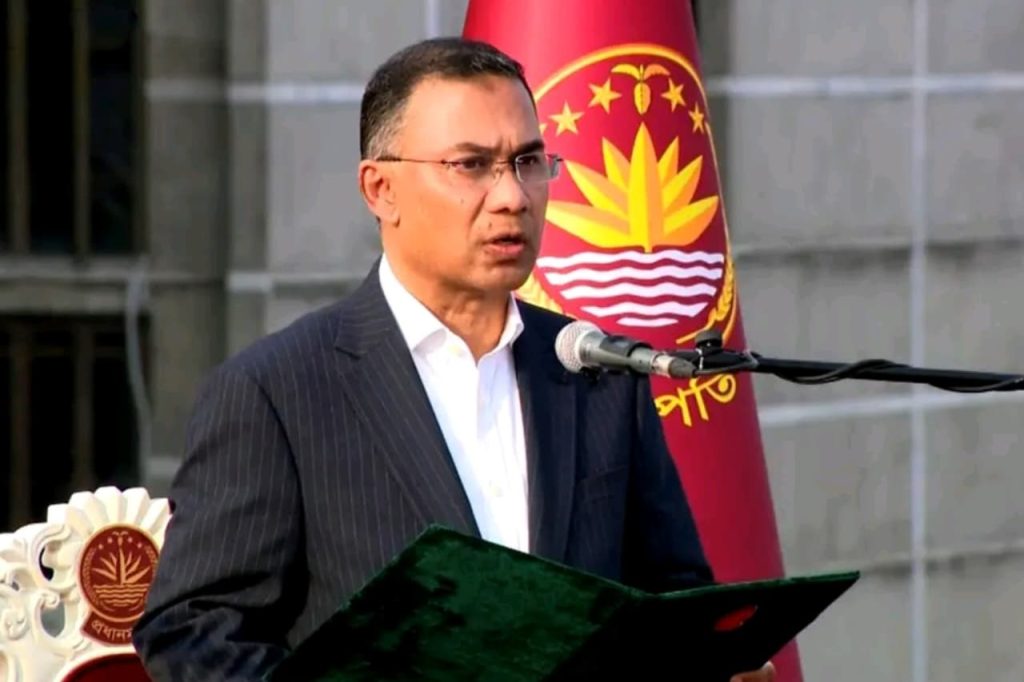
The Bangla Academy and the Bangladesh Small and Cottage Industries Corporation (BSCIC) co-hosted the mela, and the Minister of Cultural Affairs (Mr Nityai Roy Chowdhury) and the Minister of Industries (Mr Khandaker Abdul Muktadir) officially opened the event.
A Colourful Showcase of Handicrafts on Poila Boishak
When entering the mela, you will encounter a delightful array of colours and creativity as you do so. To meet the demands of millions of customers, there will be approximately 160 stalls exhibiting various forms of traditional products – including items such as Jamdani sarees, Nakshi Kantha quilts, leather goods, handmade jewellery, and numerous forms of textiles.
All of these products have been painstakingly produced by artisans who have worked with their hands and preserved these art forms through generations. For many shoppers, buying these and similar items is far from just shopping; it also represents a chance for them to assist local artisans.
Supporting Craftsmen in Rural Areas
The biggest feature of the mela is its role in helping rural craftspeople. By providing direct access to small producers, the mela allows these artisans to showcase their work directly to the customer and earn a better wage for their efforts.
This helps the artisan develop the ability to sustain themselves while continuing to practice the craft. Hence, the rural artisan becomes more connected with the urban buyer.
Discover More Stories Worth Your Time
See How Gulf Tensions Affect?
Explore why 2026 conflicts are raising remittance concerns for Bangladeshi workers abroad.
Learn Which FDR Pays More?
Check the best Bangladesh bank rates, interest comparisons, and smart tips before investing
Explore Gulshan’s Hidden Café Corners?
Discover Dhaka’s most photogenic café spots and the Instagrammable gems you may have missed
Check Best Digital Nomad Jobs?
Explore top remote roles and where to apply for steady dollar income opportunities.
Find Can Zero-Oil Slim You?
Discover how this practical and sustainable cooking style may support healthy weight loss.
Cultural Programs Bring Festive Spirit
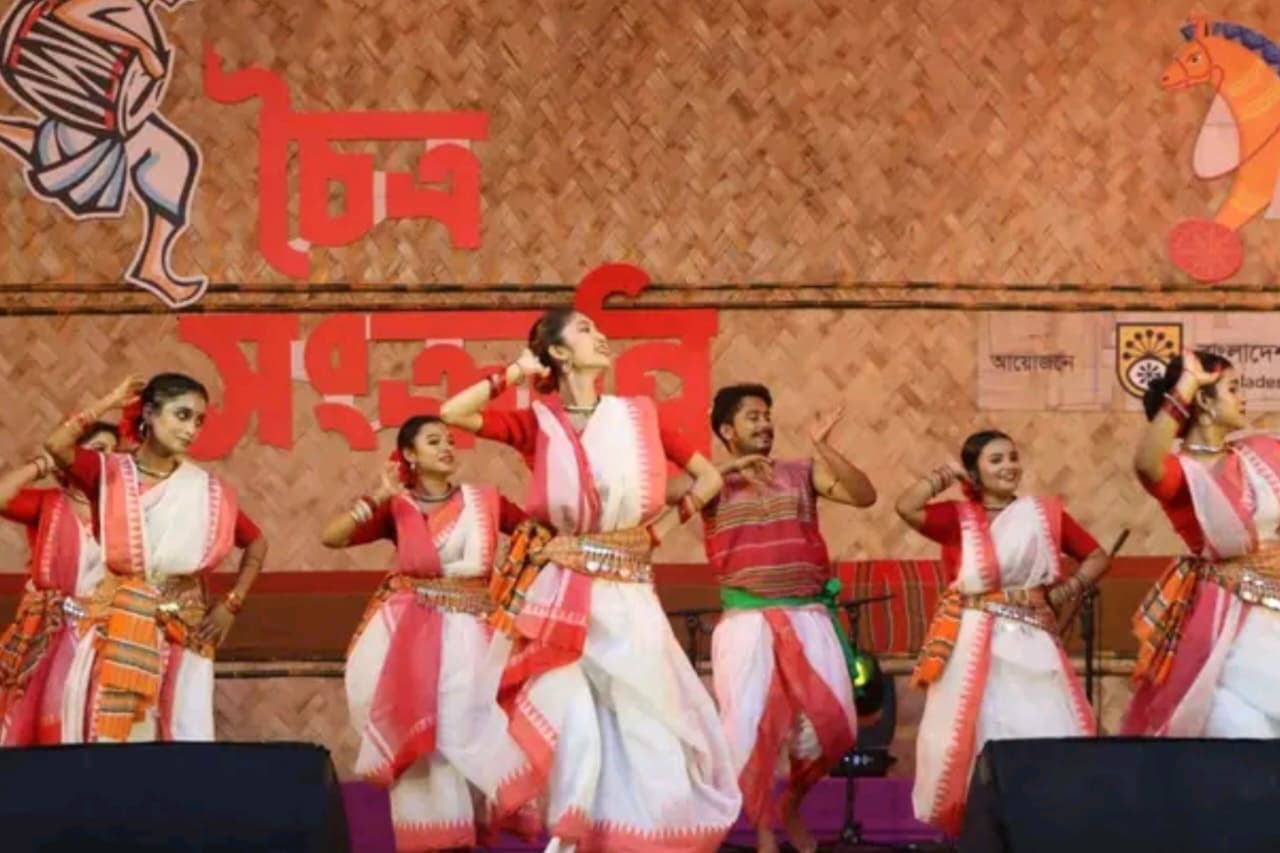
In addition to the cultural activities happening during the Mela, trade is one of the things that will happen during the Mela. Many people participate in traditional ceremonies during the Mela—everyone wears traditional clothes, participates in music and dance, and sings folk songs.
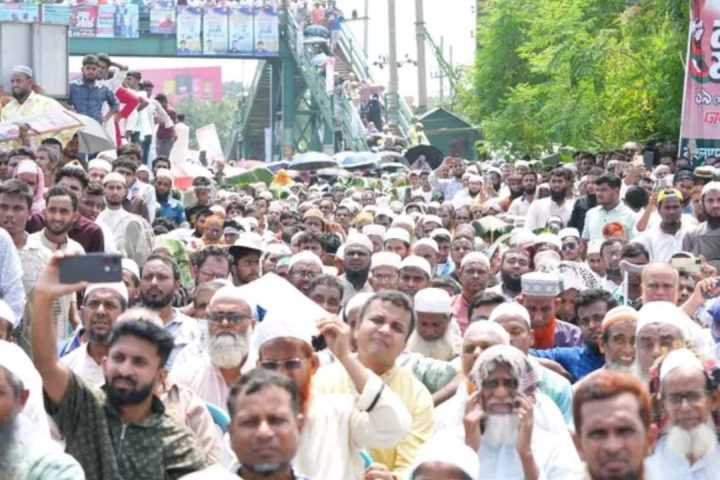
Culturally, these activities create a fun and lively atmosphere that embodies the spirit of Pahela Boishakh. People from all sections of the community come together to celebrate the Bengali New Year at this event.
Book Fair & New Ideas at Bangla Academy
In addition to cultural activities, this year’s Mela also includes an area designated for Book Fair, where authors will be able to earn up to 70% commission. This will allow authors to produce more books and encourage readers among those who attend the event. This will provide another dimension to the Mela—culturally and educationally.
Moving Towards the Digital Age
In the past few years, the traditional festival “mela” has begun modernising. BSCIC has been giving assistance to artisans in order to assist them in developing an e-commerce solution for their products.
The collaboration between tradition and technology enables artisans to expand their horizon exponentially by enabling them to sell their goods beyond the fair and thereby generate new growth avenues and continue to sustain themselves.
Celebrating Heritage and Hope
For fifty years running, the Bangla Academy holds a unique position within all of Bangladesh’s citizens as a symbol of culture, creativity and community.
The Bangla Academy Boishakhi Mela continues to serve as a “gathering point,” where the people of Bangladesh can gather to celebrate the arrival of the New Year, whilst at the same time, reminding us of our need to maintain our roots but also be thankful for future possibilities and opportunities.