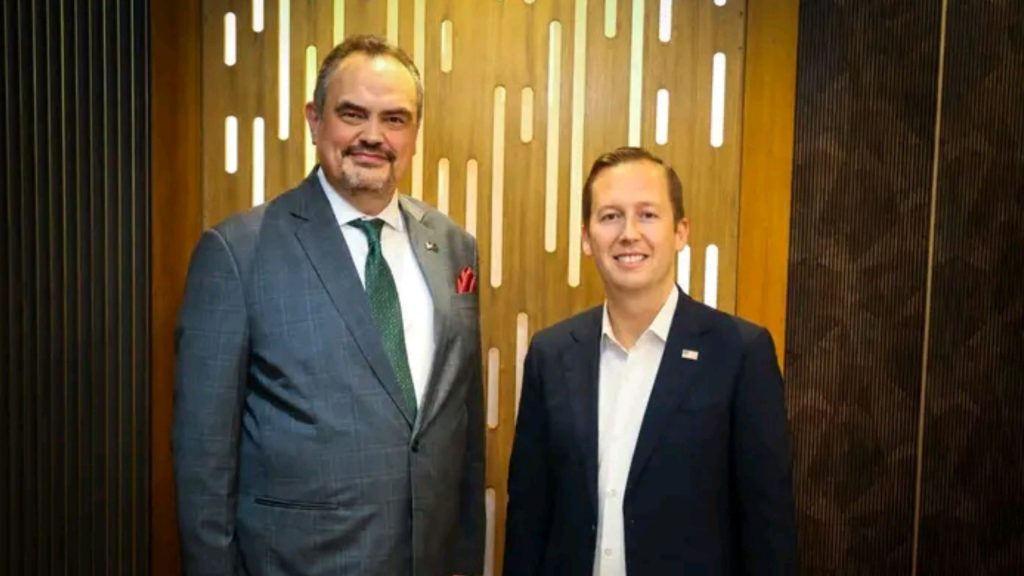
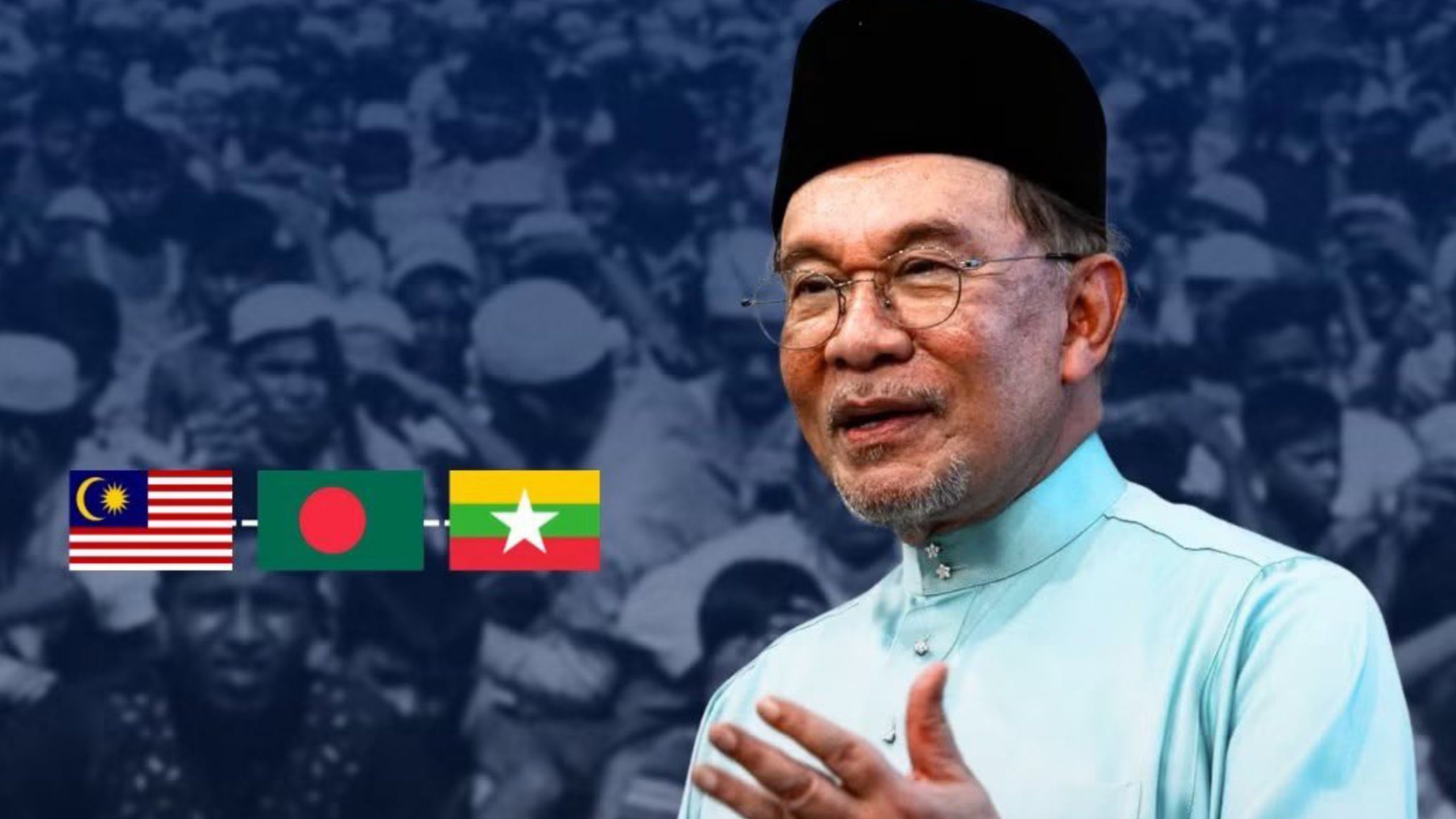
Malaysian Prime Minister Anwar Ibrahim says Myanmar has agreed to take back 300,000 Rohingya refugees now living in neighbouring Bangladesh. The announcement, made July 29, 2026, during a campaign stop in Negeri Sembilan ahead of state elections, is a potentially important development in a refugee crisis that has dogged the South and Southeast Asian region for nearly a decade.
What Anwar Ibrahim Has Said
Myanmar has also agreed to accept back 5,000 Rohingya currently residing in Malaysia as a first step towards a wider repatriation programme, Anwar told voters in Chennah and later at a function in Jelebu. He said the development was the product of sustained diplomatic engagement with Naypyidaw, adding that keeping relations with Myanmar, even with its military-led government, was essential to make any progress on the refugee question.
“For a long time, Myanmar has refused to accept the return of Rohingya,” Anwar said, leaving Malaysia and Bangladesh to shoulder the burden of hosting hundreds of thousands of displaced people. Even if it was only a first step, he said the recently announced deal offered a way to resolve an issue that has strained public services and communal relations in host countries for years.
The Malaysian leader did not specify the timeline for the Bangladesh repatriation or how the process would be verified or carried out. The presidential office of Myanmar has not publicly confirmed the arrangement. The UNHCR office in Kuala Lumpur has not publicly responded to Anwar’s comments.
Reason for the Announcement
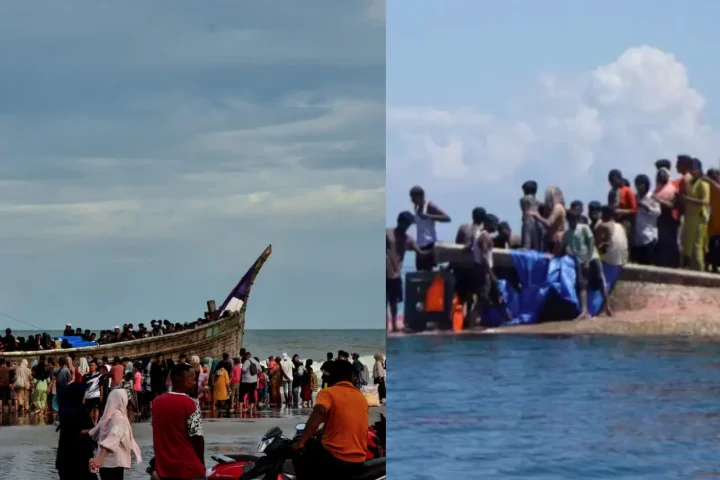
This comes after a time of heightened tension in Malaysia. Just days earlier, more than a hundred Rohingya refugees had walked out of a shelter in Penang and staged a demonstration outside the UNHCR office in Kuala Lumpur to protest their living conditions. Malaysian authorities then transferred the group to temporary shelters in Kuala Lumpur, Selangor and Penang.
Malaysia is home to one of the largest Rohingya communities outside of Bangladesh, with over 126,000 registered with the UNHCR among a broader population of more than 215,000 refugees and asylum seekers. In announcing the decision, Anwar also sought to address domestic frustration over the presence of the Rohingya refugees, saying he had ordered the Inspector-General of Police to take firm action against anyone disturbing public order. He urged the Rohingya community in Malaysia not to disturb local businesses, traffic and residential areas, warning that continued friction could stoke local public sentiment against them.
The Rohingya Crisis in Myanmar
The Rohingya are a Muslim ethnic minority group that has lived for generations in Myanmar’s Rakhine State. Myanmar has long denied them citizenship, making them one of the world’s largest stateless populations, according to the United Nations. The Myanmar government has previously called the Rohingya descendants of migrants from Bangladesh, not an indigenous ethnic group, a key argument against granting them citizenship rights.
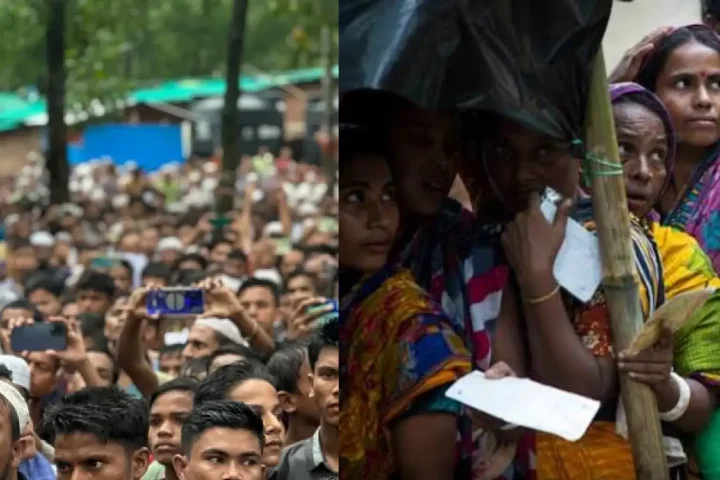
A military crackdown in Rakhine State in 2017, which Myanmar’s government said was in response to a militant uprising, triggered a mass exodus. Hundreds of thousands of Rohingya fled across the border to Bangladesh, joining earlier waves of refugees in sprawling camps around Cox’s Bazar, including the Kutupalong camp, now regarded as the world’s largest refugee settlement. Since then, Bangladesh has absorbed nearly a million Rohingya refugees, straining local resources and prompting repeated calls from the international community for a durable solution.
Since then, efforts to repatriate refugees between Bangladesh and Myanmar have repeatedly stalled, with successive rounds of negotiations failing to produce a return that refugees themselves consider safe. Rights groups have continued to document abuses against the Rohingya population remaining in Rakhine State, and monitors have reported ongoing violence linked to Myanmar’s civil conflict, raising questions about whether conditions in Rakhine are currently suitable for large-scale returns.
What Is Not Clear
Anwar’s announcement is seen as a potential breakthrough but several details remain unclear. Myanmar’s military-led government has not released its own statement confirming the scope or terms of the deal, and no official timeline has been set for when the Bangladesh-based repatriation could begin. It is also unclear how many of the 300,000 Rohingya referred to would be verified as returnees, given long-standing disputes over documentation and identity checks that have complicated previous repatriation attempts.
Humanitarian organisations have long called for any repatriation of Rohingya to be voluntary, safe and dignified, with returnees offered a credible path to citizenship and protection from further violence. It remains to be seen whether the newly announced arrangement meets these conditions. Neither Malaysian nor Myanmar authorities have commented on the matter yet. The UNHCR, meanwhile, said it would be willing to support any return process that meets international standards.
Discover More Stories Worth Your Time
Why Is the UAE Hosting Historic Peace Talks?
Learn how the UAE facilitated a major prisoner exchange involving 314 detainees.
Why Are the World’s Wealthiest Choosing Dubai?
Explore the key factors making Dubai the preferred destination for global elites.
What Makes the Abrahamic Family House Unique?
Discover how this landmark promotes interfaith harmony and cultural understanding.
What Peace Deals Has Trump Brokered?
Explore the major diplomatic agreements shaping his second presidential term.
Does the U.S. Still Import Russian Uranium?
Find out Trump’s response and what it means for U.S. trade and energy policy.
Why this matters
A repatriation of this size would be one of the biggest developments in the Rohingya crisis since the 2017 exodus, if it ever happens. For Bangladesh, which has been bearing the brunt of hosting the biggest share of displaced Rohingya, any credible movement toward return could relieve pressure on camps that have faced chronic overcrowding, funding shortfalls and periodic unrest. The announcement provides the Malaysian government with an avenue to respond to increasing domestic tensions about its refugee population while sending a diplomatic signal that engagement with Myanmar is a source of progress.
With Myanmar yet to confirm and reports of conflict and rights abuses inside Rakhine State continuing to emerge, the announcement should be viewed as an opening diplomatic gesture rather than a finalised plan. Regional governments, the United Nations and rights organisations are expected to be watching closely for further details, including whether Myanmar formally confirms the arrangement and what safeguards, if any, will be put in place for returnees.
Summary: Malaysian Prime Minister Anwar Ibrahim has announced that Myanmar has agreed in principle to accept back around 300,000 Rohingya refugees currently sheltered in Bangladesh, alongside an initial group of 5,000 Rohingya from Malaysia. The announcement, made during a campaign event in Negeri Sembilan on July 29, 2026, comes days after Rohingya refugees gathered outside the UNHCR office in Kuala Lumpur following unrest at a shelter in Penang.