The Bangladesh-India border runs for more than 4,000 kilometres, making it one of the longest land boundaries in the world. Much of it is marked by pillars, fences, and floodlights. But long stretches, particularly along rivers like the Padma, the Ichamati, and the channels threading through the Sundarbans, remain fluid in every sense. Water does not respect survey lines, and neither, historically, has fish. For the communities who have cast nets in these waters for generations, the border is often invisible until the moment it is enforced.
A Livelihood Caught Between Two Flags
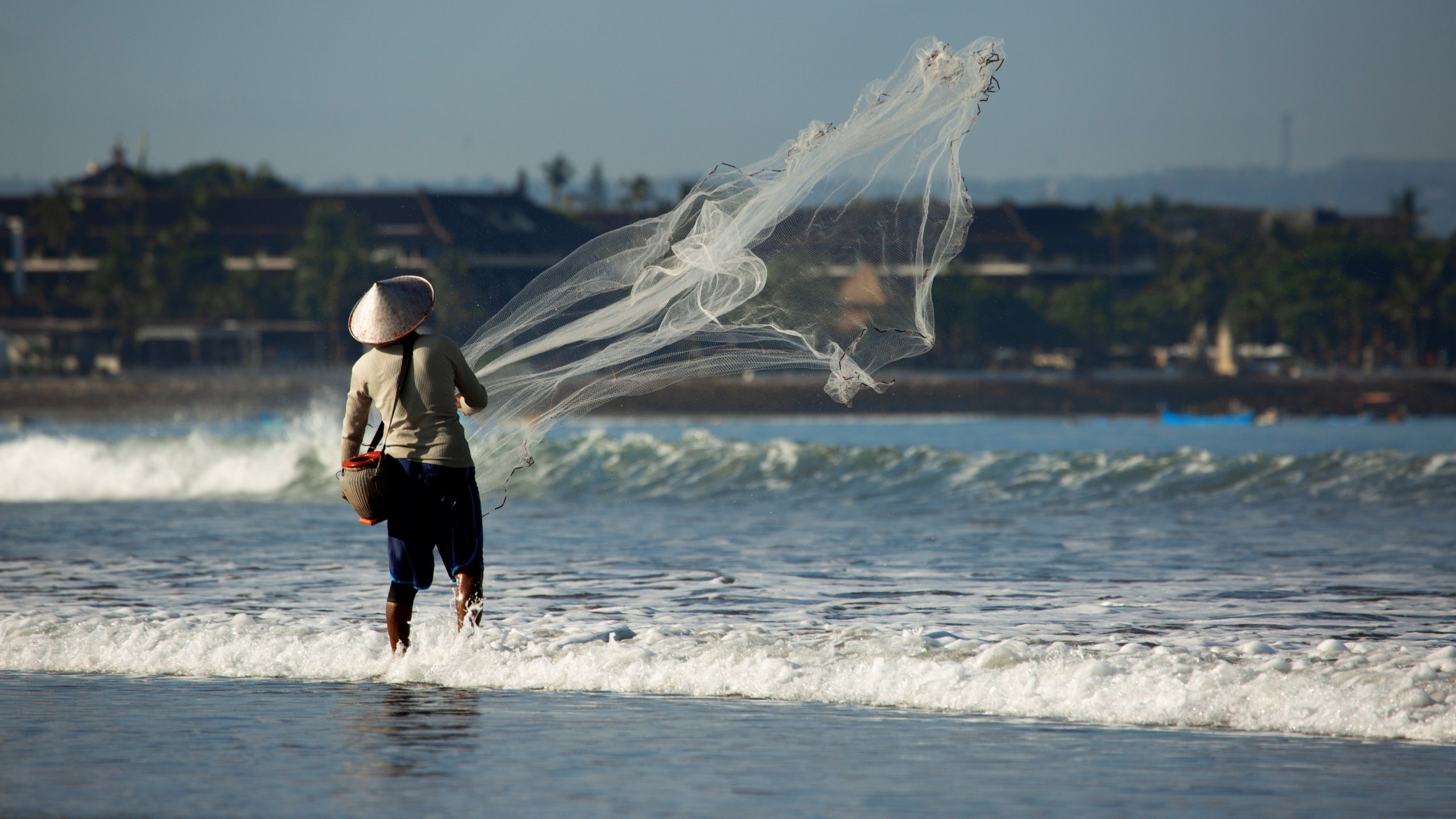
Fishing families on both sides of the frontier have worked these rivers long before the boundary was drawn during Partition. Many describe an inherited sense of the water as shared space, not as two clearly divided territories. In practice, currents shift, sandbars move, and boats drift. A fisherman who believes he is well within his own country’s waters can find himself detained by the other side’s border guards within minutes.
These are not isolated incidents. Detentions of fishermen by both the Border Security Force (BSF) on the Indian side and the Border Guard Bangladesh (BGB) happen with some regularity, often tied to disputes over fishing rights, alleged smuggling, or simple confusion over where one country’s waters end and the other’s begin. In many cases, fishermen are held for days or weeks before diplomatic channels secure their release, leaving families without income and without clarity on when, or whether, their relatives will return.
When Enforcement Turns Fatal
The more severe cases move beyond detention. Human rights organisations have documented consistent civilian deaths near the border for years, with monitors like Ain o Salish Kendra recording dozens of Bangladeshi deaths annually linked to BSF action, some from firing incidents and others following alleged physical abuse in custody. Families of the deceased are frequently informed only after the fact, and cases are often described by security forces as encounters with smugglers rather than as fishermen going about ordinary work.
Indian authorities have generally maintained that their forces do not target civilians and that any deaths are connected to smuggling or illegal border crossings, a framing that has drawn criticism from Bangladeshi rights advocates who argue it shifts blame onto victims without adequate investigation. On the Bangladeshi side, official statements have occasionally distinguished between deaths that qualify as border killings and deaths tied to alleged criminal activity within either country’s own jurisdiction, a distinction that has itself become a subject of domestic political debate.
Living With Uncertainty
For fishing families, the practical result of this uncertainty is constant risk calculation. Setting out before dawn or returning after dusk, common practice for those chasing better catches, increases the chance of drifting into contested waters unnoticed. Many fishermen now rely on informal, hard-won knowledge passed between neighbours about which stretches are considered safer, but shifting river courses mean that knowledge can become outdated within a single monsoon season.
Local economies along the border remain heavily dependent on this fishing trade, particularly for households with few alternative sources of income. Losing a boat, a net, or a family member to detention or worse can be economically devastating in communities that already operate with thin margins. Advocacy groups on both sides have periodically called for clearer demarcation of fishing zones, better communication channels between border forces, and swifter, more transparent handling of detentions, though progress on any of these fronts has been slow and inconsistent.
Discover More Stories Worth Your Time
Explore What Follows Shahabuddin’s Exit?
Discover how Bangladesh’s leadership could change after the president’s departure.
Check Why Assault Case Filed?
Explore the allegations involving actress Snigdha Chowdhury and the Ashiyan chairman.
See How Microplastics Spread?
Discover why Bangladesh’s rivers, salt pans, and fish markets are raising concern.
Find Why Wetlands Face Threat?
Explore how invasive turtles are disrupting biodiversity in Dhaka’s waterways.
Learn Why Army Took Custody?
Discover the latest developments in the Brig Gen Miftah Uddin tribunal case.
A Border That Divides More Than Land
The story of fishermen along the Bangladesh-India frontier is, in many ways, a story about the gap between how borders are drawn on paper and how they are lived on the water. For policymakers, the border represents sovereignty and security. For the families who fish these rivers, it represents an ever-present risk layered onto an already difficult livelihood. Until enforcement practices, communication between border forces, and legal protections for fishermen catch up with the reality of life on shared rivers, those who work these waters will likely continue to face a level of danger that has little to do with the fish they are chasing and everything to do with lines they cannot always see.
Summary: Fishermen working the shared rivers of the Bangladesh-India border face routine detention, occasional gunfire, and long-term uncertainty as unclear boundary lines cut through waters they have fished for generations. Rights groups continue to record civilian deaths near the frontier each year, even as both countries’ border forces defend their conduct as enforcement against smuggling and trespassing.