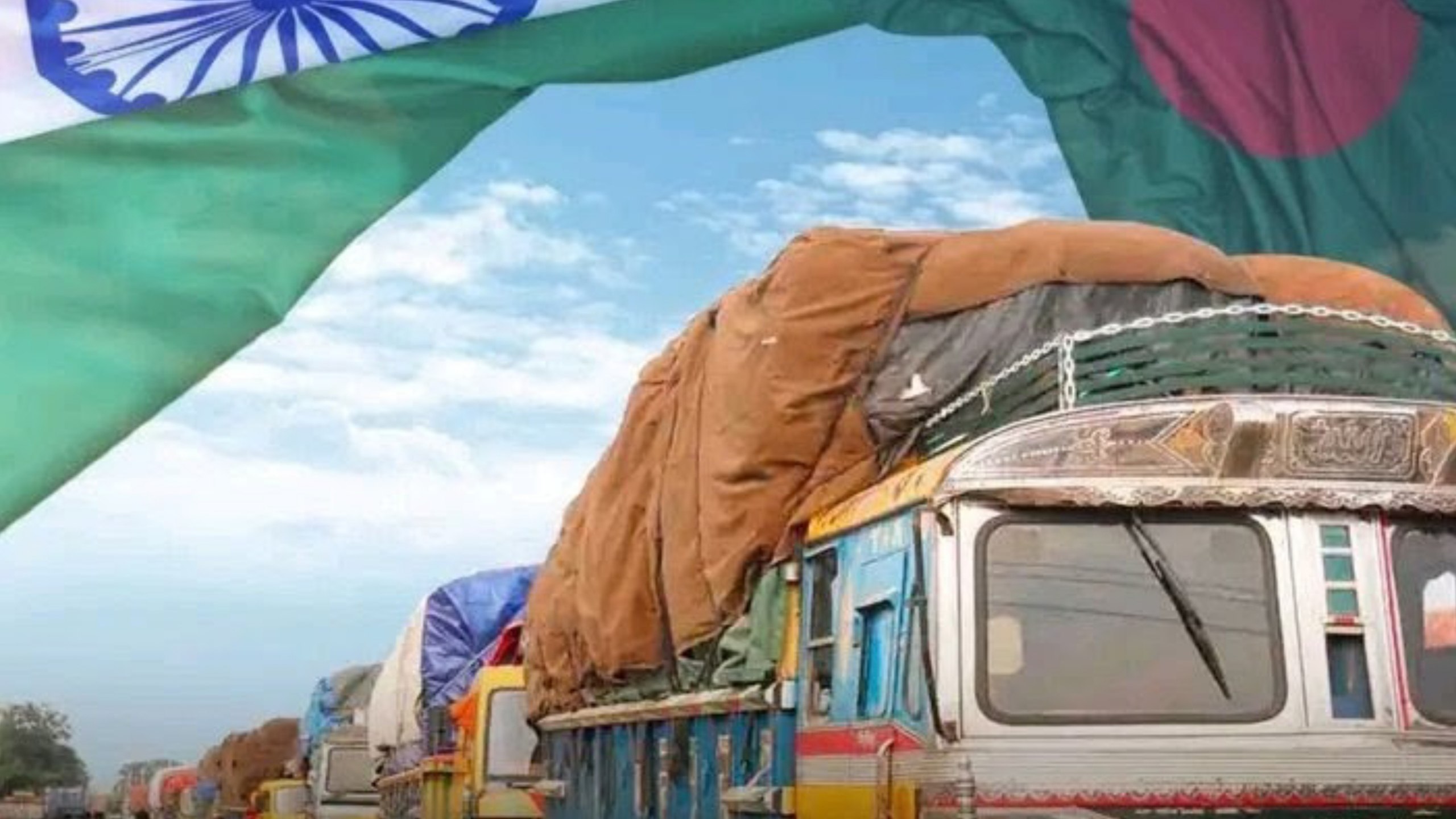
A fresh strain is being put on the fast and cheap movement across borders that businesses depend on by trade restrictions between Bangladesh and India. In May 2025, India imposed port restrictions on some Bangladeshi products, limiting some imports through land routes. Garments, processed food, plastics, furniture and associated industries have been particularly hard hit by the changes.
Why barriers to trade between Bangladesh and India are important
Bangladesh and India have a long border and have traditionally relied heavily on land ports for regional trade. For products from Bangladesh, land transport can be quicker and more convenient when sold to the north-eastern states of India.
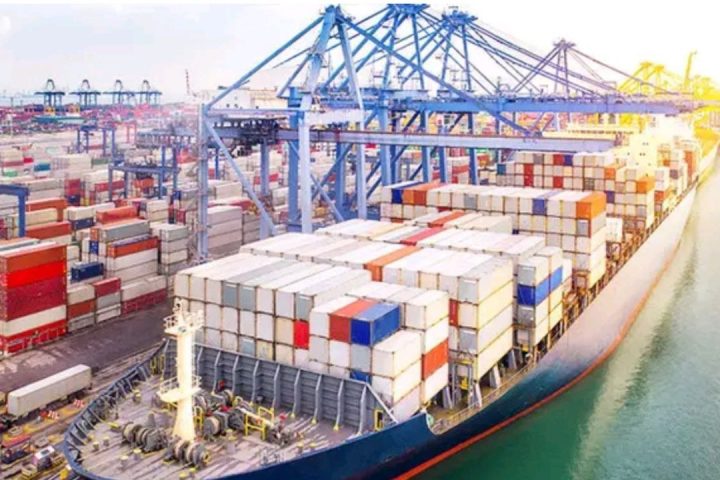
Under the Indian restrictions, ready-made garments from Bangladesh cannot enter through the land ports and have to come through the ports of Kolkata or Nhava Sheva. Several land customs stations and integrated check posts are restricting other products, including processed food, cotton waste, plastic and PVC goods and wooden furniture.
The shift can raise costs for exporters who may have to use longer routes and need additional handling and more complex logistics arrangements.
The Garment Industry in Bangladesh: Impact
The garment industry is of special importance to Bangladesh. Reliable transport schedules are essential for exporters to meet the buyer’s deadlines and control costs.
The challenges businesses face when shipments are diverted through seaports instead of nearby land routes:
•Longer delivery times.
•Higher transportation and handling costs.
•Greater emphasis on working capital.
•Customs procedures are more complex.
•Greater risk of late orders.
•These costs may ultimately be passed on in the prices paid by Indian importers and consumers.
Food, Plastic and Furniture Firms Under Pressure
The restrictions also impacted a range of products that connect smaller Bangladeshi manufacturers to Indian markets. This is important for companies that are not as financially robust as the big exporters, such as those engaged in the trade of processed foods, plastic goods and furniture.
The longer the supply chain, the more the competitiveness of low-value products. A small increase in goods or handling charges can eat away significantly at the profit margin.
For Bangladeshi companies, the real solution is to look at shipping routes, not one border crossing.
What Can Businesses in Bangladesh Do
Here are some easy steps companies doing business with India can take:
•Check land and sea shipping rates before you place your order.
•Check current rules from Bangladesh customs and from Indian authorities.
•Add extra delivery time on contracts.
•Retain electronic copies of invoices and customs documents.
•Talk to goods forwarders about options.
•Inform Indian buyers about possible delays.
Bangladeshi exporters should also watch the updates from the National Board of Revenue and other trade authorities before shipping new consignments.
Explore Why Sundarbans Disappear?
Discover how climate change is threatening Bangladesh’s world-famous mangrove forest.
Check How Farmers Benefit?
Explore what the new Farmer’s Card means for growers in Rangpur and Rajshahi.
See Why President May Resign?
Discover the latest political developments surrounding President Shahabuddin’s future.
Find Why Flood Alert Issued?
Explore how a massive monsoon cloud band could affect Bangladesh’s weather.
Learn Which Bangla Series Watch?
Discover three homegrown Bangla web series perfect for your next weekend binge.
What this means for consumers
Trade restrictions are hurting more than just exporters. Ultimately, higher transportation and handling costs can be passed on to the wholesaler, retailer and customer. If Bangladeshi products are less competitive, then the landed cost of Indian buyers importing that product may increase and consequently Bangladeshi companies may lose some market opportunities.
Conclusion
Limits on Bangladesh-India trade are an example of how rapid changes at border points can affect whole supply chains. Businesses in Bangladesh can handle the extra pressure by maintaining flexible trade routes, reviewing regulations regularly and negotiating delivery terms carefully. The best insurance exporters and importers can have is to plan for changing routes before the higher costs become unavoidable.