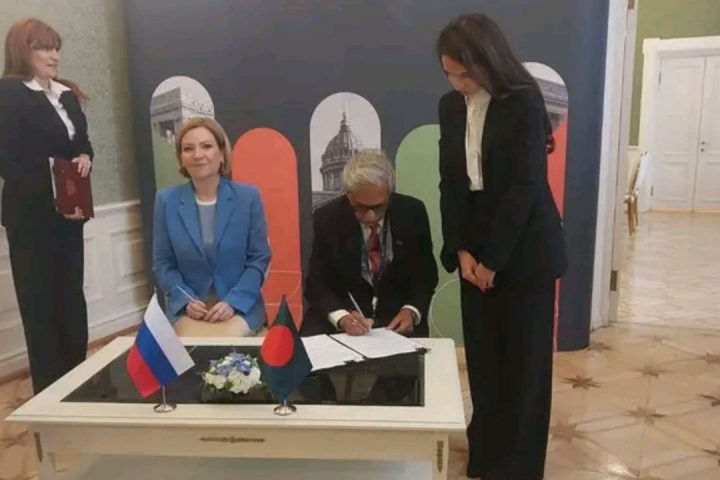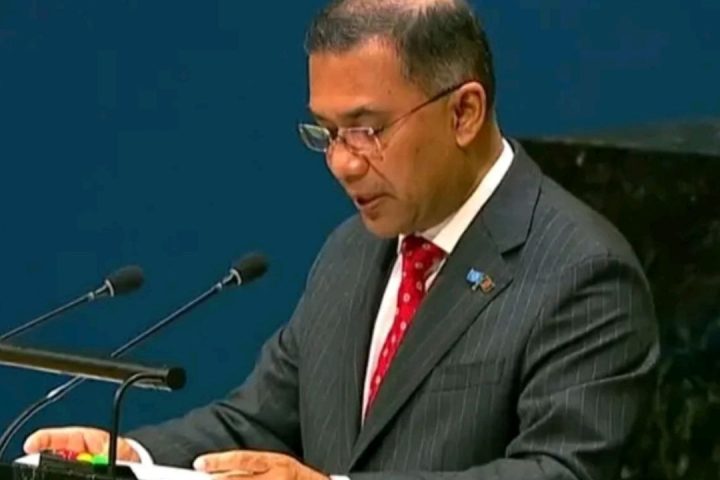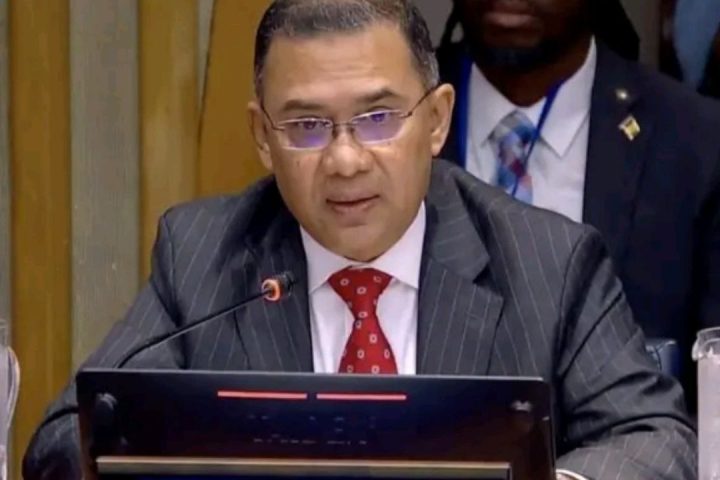
Diplomacy between India and Bangladesh isn’t staying behind closed doors anymore. Between Prime Minister Tarique Rahman’s push to reset ties with New Delhi and India’s High Commissioner Dinesh Trivedi making the rounds with top officials in Dhaka, the relationship is suddenly back in the headlines and for good reason.
Trivedi’s Charm Offensive
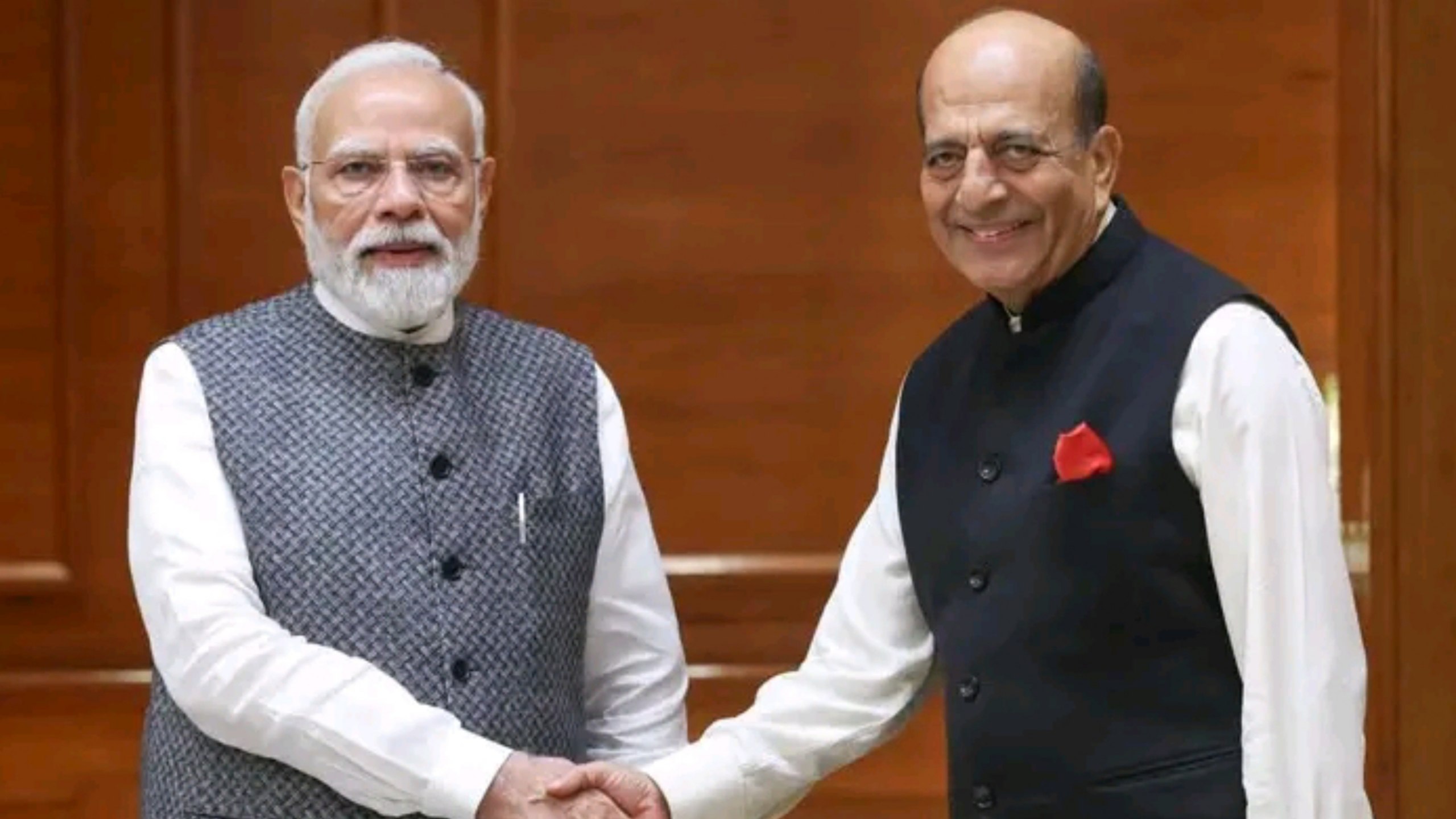
The timing here matters. Bangladesh is currently weighing an invitation from Narendra Modi for Tarique Rahman to attend the 18th BRICS Summit in New Delhi this September, all while the unresolved matter of former Prime Minister Sheikh Hasina continues to hang over the relationship like an unfinished sentence. At the center of the recent activity is Dinesh Trivedi, a former Union minister and BJP figure who took over as India’s High Commissioner to Bangladesh back in April. His appointment raised eyebrows at the time, mostly because he’s a career politician rather than a professional diplomat. Many read that choice as New Delhi signaling it wanted to handle the relationship more politically than procedurally, especially after ties took a hit when Sheikh Hasina fled to India in August 2024.
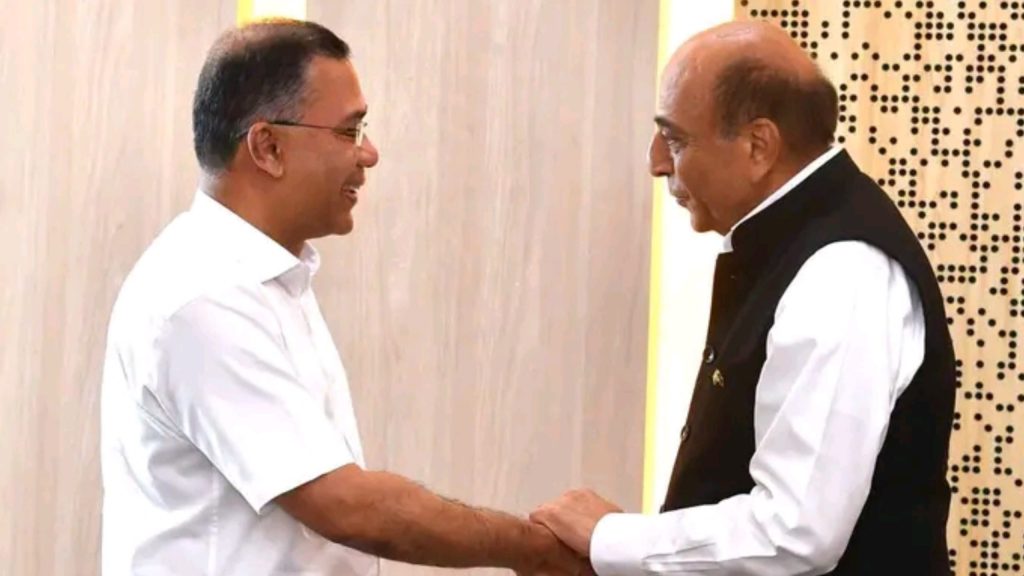
Since arriving in Dhaka, Trivedi hasn’t wasted time. On July 29, he sat down with Foreign Minister Khalilur Rahman and State Minister for Foreign Affairs Shama Obaed Islam. Afterward, he struck an optimistic note, saying there wasn’t a single issue between the two countries that couldn’t be worked out through mutual understanding and that India was genuinely looking forward to hosting Tarique Rahman.
The BRICS Invitation Raises the Stakes
The bigger story, though, is what could happen in September. Modi has invited Rahman to New Delhi as a special guest at the BRICS Summit on September 12–13 notably given that Bangladesh isn’t even a BRICS member. Dhaka hasn’t said yes yet; officials say the invitation is still under review. If Rahman does make the trip, a face-to-face with Modi would be a genuinely big deal. It would give both leaders a chance to move past recent friction and get into the substance trade, energy cooperation, border management, connectivity, and regional security.
The Hasina Problem Isn’t Going Away
For all the warm signals, there’s one issue that keeps complicating things: Bangladesh’s demand for Sheikh Hasina’s extradition. Dhaka has asked for her return more than once, and India keeps pointing to its legal process as the reason for the delay. Things got more tense recently after Hasina addressed her supporters from Indian soil, which didn’t sit well in Bangladesh at all. That leaves both governments walking a tightrope. Rahman’s administration has to manage public expectations on Hasina without letting the issue derail everything else. New Delhi, meanwhile, has to keep the relationship on track while navigating a legal request it can’t simply brush aside.
Why Any of This Matters Beyond Politics
Strip away the diplomacy, and India-Bangladesh ties are really about geography and daily life. The two countries share a long border along with deep economic, cultural, and historical connections. Fuel, fertiliser, trade routes, transport links, and water-sharing arrangements are the things that actually touch ordinary people, and Bangladesh has already been pushing for closer cooperation with India on fuel and fertiliser supplies. Talks around the Teesta and Ganges water disputes are also still very much alive. There’s a bigger strategic picture too. India is competing with China for influence and economic opportunities in Bangladesh, which makes a stable Dhaka-Delhi relationship about more than just bilateral trade; it’s part of India’s broader positioning in eastern South Asia.
Discover More Stories Worth Your Time
Explore Why Colombia Declared Emergency?
Discover what the powerful earthquake means for Colombia and the latest emergency response.
Check Why Jaya’s Sarees Trend?
Discover why Jaya Ahsan’s elegant saree looks continue captivating fans online.
See Where Hasina’s Crisis Leads?
Explore the accountability debate surrounding Hasina, India, and Bangladesh’s political future.
Find Which Airport Hotels Fit?
Discover convenient hotels near Dhaka Airport for short layovers and overnight stays.
Learn How Rohingya Youth Lead?
Explore how young Rohingya are advancing education and gender equality in refugee camps.
A Reset in Progress, Not a Done Deal
What’s clear is that both sides understand the cost of staying at odds. Trivedi’s meetings have opened a channel, and Modi’s invitation has created a real opportunity for high-level talks. The open question is whether that momentum actually translates into resolving the disputes that have been sitting on the table for a while now. Right now, the mood is cautiously optimistic. But as with most diplomatic thaws, the real test isn’t the handshakes, it’s what happens when the hard conversations move from meeting rooms to actual decisions.
FAQs
Who is Dinesh Trivedi?
A veteran Indian politician and former Union minister who joined the BJP in 2021, appointed as India’s High Commissioner to Bangladesh in April 2026.
Why does Tarique Rahman’s possible India visit matter?
It could give Rahman and Modi a high-level opening to discuss trade, energy, connectivity, security, and other bilateral priorities directly.
What’s the BRICS invitation about?
Modi invited Rahman as a special guest to the 18th BRICS Summit in New Delhi, set for September 12–13, 2026. Bangladesh is still deciding whether to accept.
Summary
Dinesh Trivedi’s meetings with Bangladesh leaders and Modi’s invitation to Tarique Rahman signal a possible reset in India-Bangladesh relations.